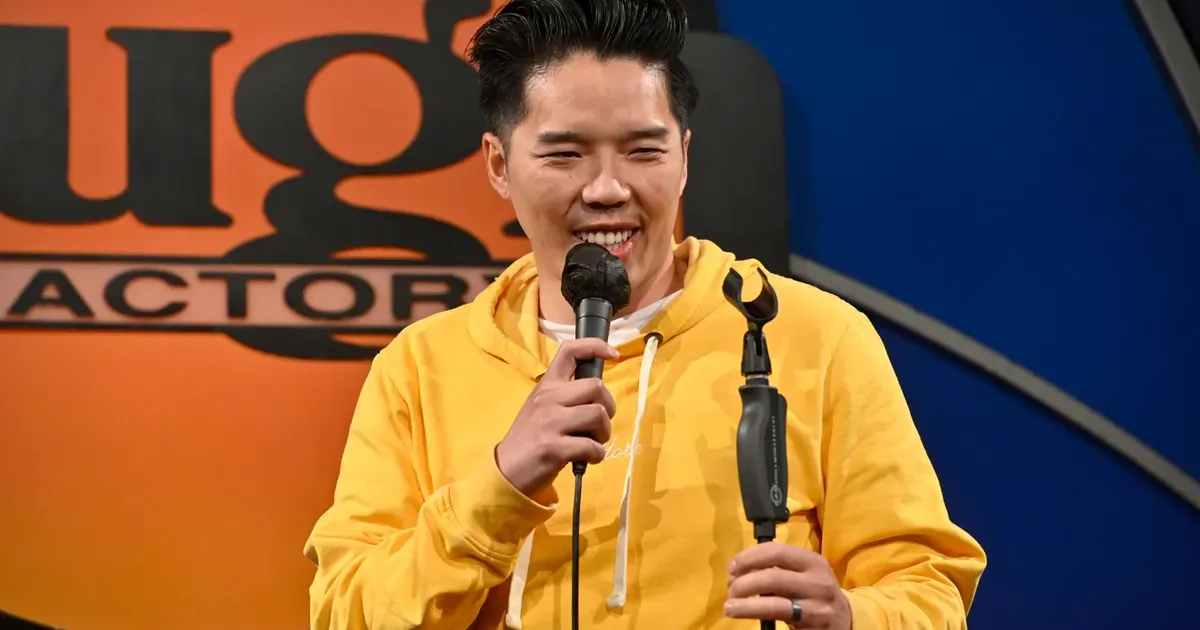
Alex Duong, the comedian and actor known for Los Angeles stand-up, Jeff Ross Presents Roast Battle and a recurring role on Blue Bloods, died March 28 at 42 after a year-long illness with alveolar rhabdomyosarcoma, a rare and aggressive soft-tissue cancer. His death was confirmed through updates from friends and family after his condition worsened suddenly with septic shock.
Duong leaves behind his wife, Christina, and their young daughter, Everest. That family detail belongs near the top because the story is not only about credits or a final diagnosis. It is about a working performer whose life was still being built, whose career had momentum and whose illness placed emotional and financial pressure on the people closest to him.
A Working Career With Real Texture
Duong was not a household name, and that is part of why the loss carries a particular weight. He belonged to the working middle of entertainment: comics and character actors who fill clubs, sharpen scenes, build community and make larger productions feel lived-in. Those careers rarely look as secure from the inside as they appear from a TV credit.
His work included Blue Bloods, Roast Battle and years around the Los Angeles comedy circuit, including the Comedy Store. Reports also described him as a performer who had started turning down thin or stereotyped parts, trying to shape a career with more dignity and control. That kind of choice can be expensive, but it is important for an artist trying to be seen fully.
The Illness Moved Fast
Duong's diagnosis followed symptoms around his eye, including swelling, pain and eventual loss of vision in his left eye. The cancer was identified as alveolar rhabdomyosarcoma, an aggressive disease more commonly associated with soft tissue and difficult treatment paths. He underwent chemotherapy, radiation and hospital care as the disease progressed.
Friends' updates described intense pain, seizures, spinal involvement and the final crisis of septic shock. Those details are difficult, but they explain why the public response was not simply celebrity mourning. It was grief mixed with the shock of watching a young father and working comic decline so quickly.
The Fundraiser Became Part Of The Story
A GoFundMe organized by friend Hilarie Steele helped support memorial costs, Duong's family and Everest's future needs. That fundraiser should not reduce his life to a medical-bill narrative, but it is relevant because it shows how thin the safety net can be for artists outside the top income tier.
A television credit can look impressive to the public while doing little to protect a family from rare-disease costs, missed work and long treatment cycles. Hollywood often celebrates community, and in Duong's case the comedy community did show up. But generosity after crisis is not the same as security before crisis.
Remembering More Than The Diagnosis
The challenge is to remember Duong without making illness the whole frame. Friends and colleagues described his humor, persistence and devotion to family. His work mattered because it was part of the everyday labor that keeps comedy rooms and television ensembles alive, even when the performer is not carrying the headline alone.
His death also leaves an uncomfortable industry question. Many performers live one diagnosis away from financial collapse while working inside a business that sells glamour to the public. The lights can be bright on stage and still leave the person under them exposed. Duong's story sits inside that economic reality, but it should not be reduced to it. He was an artist, husband, father and friend first. The anger around the system comes after that, not instead of it.