Bill Maher's Mark Twain Prize became more than a comedy honor because the Kennedy Center was already caught inside Trump-era cultural politics. After reports that Maher would receive the 2026 prize, the White House dismissed the story as fake news. The Kennedy Center then confirmed him as the 27th recipient, turning an arts announcement into another argument over power, prestige and who gets to define acceptable satire.
Maher treated the dispute as material rather than martyrdom. On Real Time, he joked about a compromise in which he would receive the prize and then give it to Trump. The line worked because it captured the whole absurdity of the episode: an award named for American humor had become a political loyalty test before the ceremony even happened.
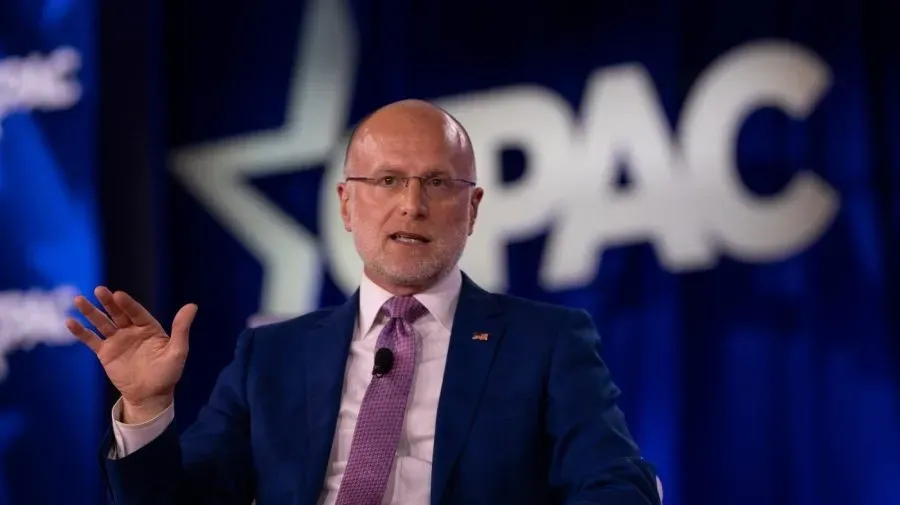
The dispute also intersected with a more serious media fight. FCC Chair Brendan Carr had been warning broadcasters about alleged news distortion and license risk, while Trump and allies attacked coverage they described as fake or unpatriotic. Maher is not a broadcaster in the same regulatory position as an over-the-air network, and the FCC does not control the Mark Twain Prize. But the atmosphere matters. When cultural criticism, presidential power and regulatory rhetoric move in the same direction, institutions hear the signal even where no formal order exists.
The Prize Became A Test Of Institutional Nerve
The Mark Twain Prize carries weight because it links comedy to national cultural approval. It is not only a trophy for jokes. It is a statement that satire belongs inside the civic tradition. That is why Maher's selection landed differently under a Kennedy Center shaped by Trump-era upheaval and political scrutiny.
Supporters could argue that Maher fits the Twain lineage precisely because he irritates power, mocks hypocrisy and refuses to keep politics outside comedy. Critics could argue that the same institutions that praise him are rewarding a media figure who has spent years attacking Trump and alienating many of his voters. Both readings are political. The award sits in the middle because cultural prestige now functions as evidence in partisan argument.
Maher's response was sharper than a complaint about being mistreated. He did not need to present himself as censored. He only had to show that the attempt to deny or mock the prize gave him more material. That is the advantage comedians have in these fights: political pressure can become the act.
Carr's FCC Fight Raised The Stakes Around Media Criticism
Carr's role belongs in a different category from Maher's punchlines. A president, press aide or commentator attacking a comedian is ordinary political theater. An FCC chair warning broadcasters that license consequences can follow alleged fake news carries a different institutional weight.
The FCC has real authority over broadcast licenses and communications rules. It does not regulate every media platform, and it does not sit in judgment of comedy awards. Still, rhetoric from a regulator can shape behavior before any formal enforcement action appears. Networks, station owners and media companies understand that political conflict may become a regulatory problem, especially when mergers, licenses and public-interest standards are on the table.
That is why the Maher and Carr stories belong in the same frame without being the same story. One is cultural and symbolic. The other is administrative and legal. Together, they show how the administration's media fight can move from jokes to institutions, from insults to leverage, from campaign language to regulatory threat.
Comedy Survives By Refusing To Ask Permission
The danger for the administration is overreach. Criticizing Maher is politics. Treating hostile media institutions as enemies to be disciplined is a different matter. The public can dislike a comedian and still worry about regulators celebrating pressure on news organizations.
The danger for media figures is complacency. Institutional applause can make criticism of power feel automatically brave. Maher's strongest defense is not that the Kennedy Center approved him. It is that satire has a democratic role when it irritates the people who hold power.
The Mark Twain dispute will be remembered less for the ceremony than for what surrounded it. A White House denial, a comedian's counterpunch and an FCC chair's pressure campaign all pointed to the same 2026 reality: media fights are no longer just about ratings or jokes. They are fights over which institutions bend, which ones laugh and which ones understand that cultural approval is now treated as political territory.