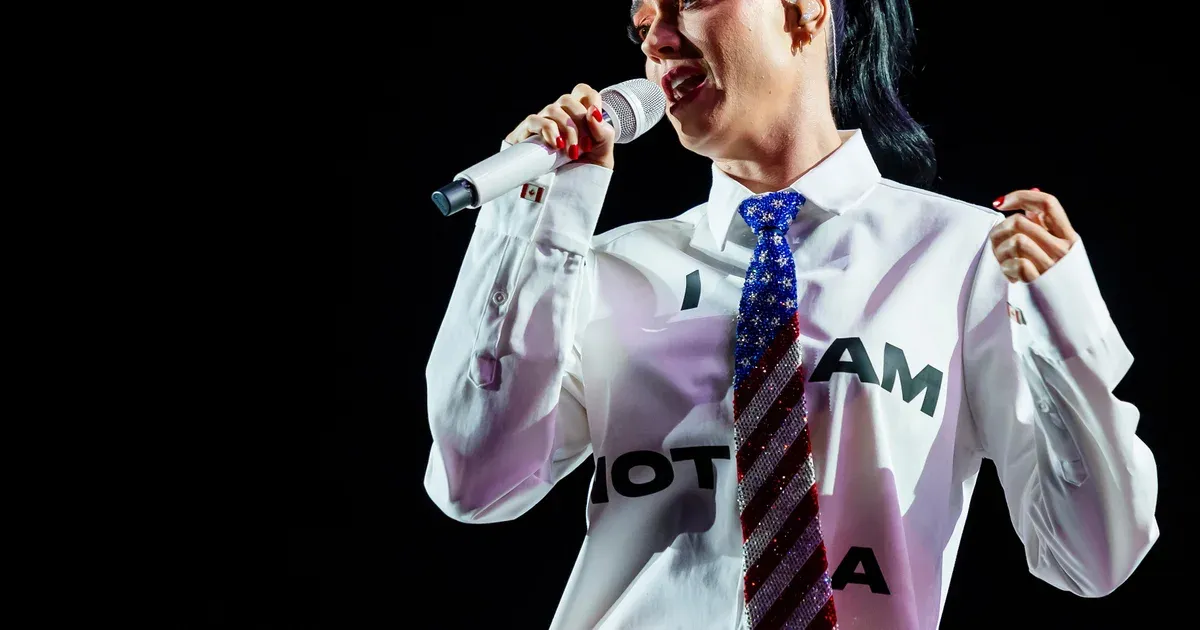
Katy Perry has condemned the White House for using her song Firework in a TikTok video that showed a U.S. missile striking an Iranian naval ship. She said the track was used without her approval and rejected the pairing of a song about personal resilience with footage promoting military force.
The dispute became public on July 26, 2026, after the White House post had attracted more than 6 million views. The video placed Firework over strike footage and carried the caption “Iran has been warned.” Perry responded on X that she had not been asked and did not condone the use.
Perry described the song as an anthem of hope, healing and inner strength. She said using it to accompany destruction violated the purpose for which she wrote it. The source did not report a White House response to her objection, and Perry's statement did not establish whether any license had been secured. Her central claim was clear: she had given no personal approval for the association.
The Objection Follows a Series of Music Disputes
Perry is not the first artist to challenge the Trump administration's use of popular music in political or government videos. Olivia Rodrigo objected when one of her songs appeared in material promoting deportation efforts. Beyoncé blocked the use of Freedom after it appeared in a Trump campaign video, while Kesha criticized the use of Blow in a military-themed White House post.
The pattern has continued through immigration enforcement content. Sabrina Carpenter called out the use of Juno in a video of Immigration and Customs Enforcement arrests. Ariana Grande objected when Bye accompanied a post promoting immigration arrests, and Jess Glynne criticized the use of Hold My Hand in material about deportations. Each dispute involved a familiar song carrying a government message the performer opposed.
The White House opened its TikTok account in August 2025, months after President Donald Trump had threatened to ban the platform during his second term. Short videos give an official account a direct route to a large audience, but they also make music part of the government's framing. A recognizable chorus can turn operational footage into a shareable political message before an artist has an opportunity to object.
The strike video appeared amid renewed scrutiny of the human cost and legal basis of the Iran conflict. The Defense Casualty Analysis System listed 14 U.S. service members killed and 420 personnel wounded, according to the source. Those figures had fallen from an earlier record of 18 deaths and 482 wounded, prompting questions about whether casualties after the collapse of a ceasefire were being counted as a separate campaign.
The source said near-daily airstrikes resumed on July 6 after the ceasefire collapsed. It also reported that the administration was seeking to count strikes beginning July 7 separately from Operation Epic Fury. Representative Thomas Massie challenged that distinction, arguing that the conflict had continued beyond 90 days without congressional authorization. His criticism connected the casualty-accounting dispute to the broader argument over who had authorized the military action shown in the video.
Viral Reach Changes the Cost of a Government Soundtrack
Perry's response separates her creative intent from the White House's military message, but it cannot erase the distribution that came first. By the time she spoke, millions of viewers had already encountered the song and strike footage together. The government account controlled the initial edit, caption and timing; the artist was left to challenge that framing on another post after it had spread.
The practical issue is larger than whether one video remains online. Repeated artist objections show that recognizable music has become a recurring tool in government social messaging, especially around war and immigration. Each new use creates the same imbalance: an official account receives the immediate emotional force of the track, while the performer bears the burden of publicly refusing the association. Unless the White House changes that process, the next dispute will begin only after the government's version has already reached its audience.