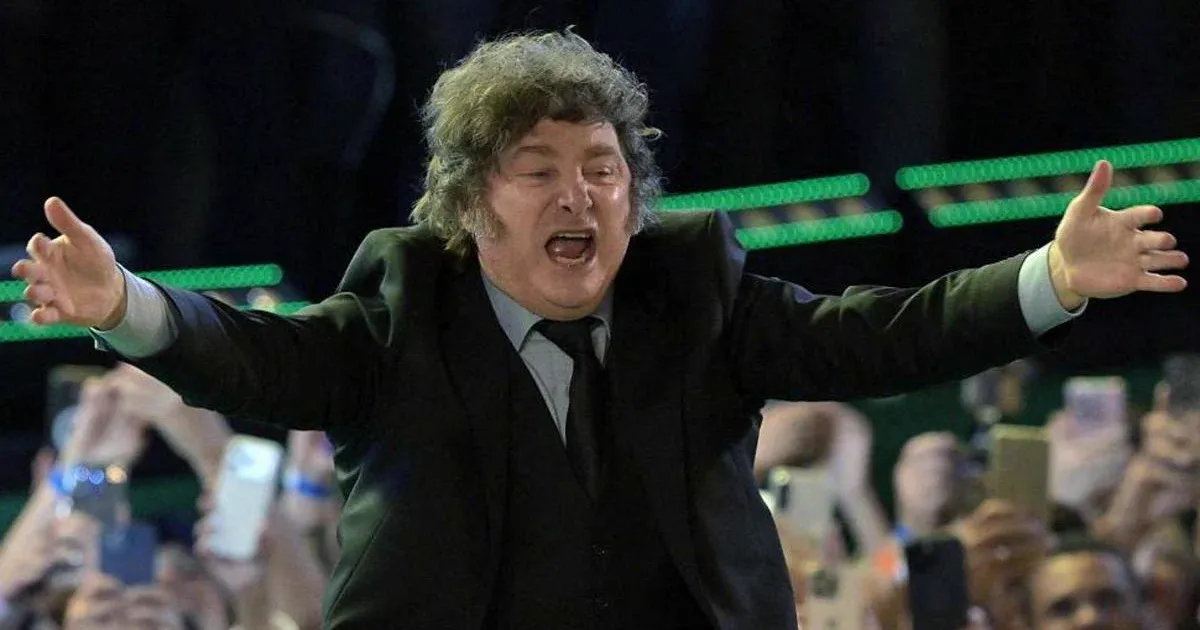
Brazil has recalled its ambassador from Argentina after President Javier Milei attacked Brazilian President Luiz Inácio Lula da Silva at a political rally in São Paulo. The comments were delivered during the launch of another country's presidential campaign, with Milei standing beside a candidate seeking to remove Lula. Bringing the envoy home treated the speech as conduct affecting the two governments, not only as partisan performance.
On Sunday, July 26, 2026, Milei appeared with Flávio Bolsonaro as the right-wing candidate opened his campaign for Brazil's October election. Milei did not name Lula while branding the Brazilian leader a thief and a convict. He then said Bolsonaro was the only candidate capable of stopping the incumbent, placing his endorsement and his attack in the same address.
Lula responded later on Sunday without repeating Milei's labels. He said he would continue governing without outside interference. Brazilian diplomats described the Argentine president's remarks as an insult to the government, the Brazilian people and the country's democracy. Ambassador Julio Bitelli was expected to travel home from Buenos Aires between Sunday and Monday, making the diplomatic response immediate rather than symbolic.
A Campaign Endorsement Became a State Dispute
Flávio Bolsonaro is the son of former president Jair Bolsonaro. The elder Bolsonaro received a sentence exceeding 27 years in 2025 for plotting a coup intended to keep him in power after he lost the previous election. Milei therefore entered a campaign built around the political future of a jailed former president's family. His position as Argentina's head of state gave that intervention a different weight from an endorsement by a party activist.
The word convict carried a specific history in Lula's case. A court imposed a 12-year term in the 2018 corruption case, and Lula spent slightly more than 18 months behind bars before his release. The Supreme Court annulled his convictions in 2021, meaning the label left out the later legal outcome. Lula returned to a national ballot in 2022 and defeated Jair Bolsonaro with 50.9% of the vote. That narrow result remains central to the Bolsonaro movement's loss of power and its effort to regain the presidency through Flávio.
Milei widened the attack beyond Lula by insulting Supreme Court Justice Alexandre de Moraes. Moraes oversaw Jair Bolsonaro's coup conviction. During Bolsonaro's period of house arrest in Brasília, the justice blocked Milei from meeting him. That earlier ruling connected Milei personally to the judicial dispute, while his rally speech placed the judge alongside Lula as a target.
“In Brazil, we do not accept anyone sticking their nose where it doesn't belong,” Lula said.
The formal ambassador recall does not sever diplomatic relations. It temporarily removes the envoy from his post for consultations and gives Brazil room to request an explanation before deciding whether Bitelli should return. The timing matters because the recall followed the rally within hours, leaving little doubt about which statement prompted the response. Because Bitelli is the official channel in Buenos Aires, taking him out of the capital also narrows the route for routine repair until the governments decide how to proceed. Brasília has moved the argument into state channels instead of leaving it to campaign surrogates.
Milei's Bolsonaro Alliance Now Carries a Diplomatic Cost
Milei is free to share Flávio Bolsonaro's politics, but a sitting president cannot separate a foreign campaign appearance from the office he represents. His speech combined support for one candidate, an attack on Brazil's incumbent and an insult aimed at a Supreme Court justice. Recalling Bitelli shows that Brazil views the combination as interference with its political and judicial order, not a routine disagreement between ideological rivals. It also gives Lula a response that does not require matching Milei's rhetoric.
Both governments retain a limited route back from the dispute. Argentina can explain or lower the temperature before Brazil decides the ambassador's return, while Brasília can keep the recall temporary without accepting the remarks. If neither side acts, Milei's role in the Bolsonaro campaign will continue to shape official relations as the October election approaches. Each new campaign appearance could then force the governments to choose between another public confrontation and the diplomatic contact needed to contain it.