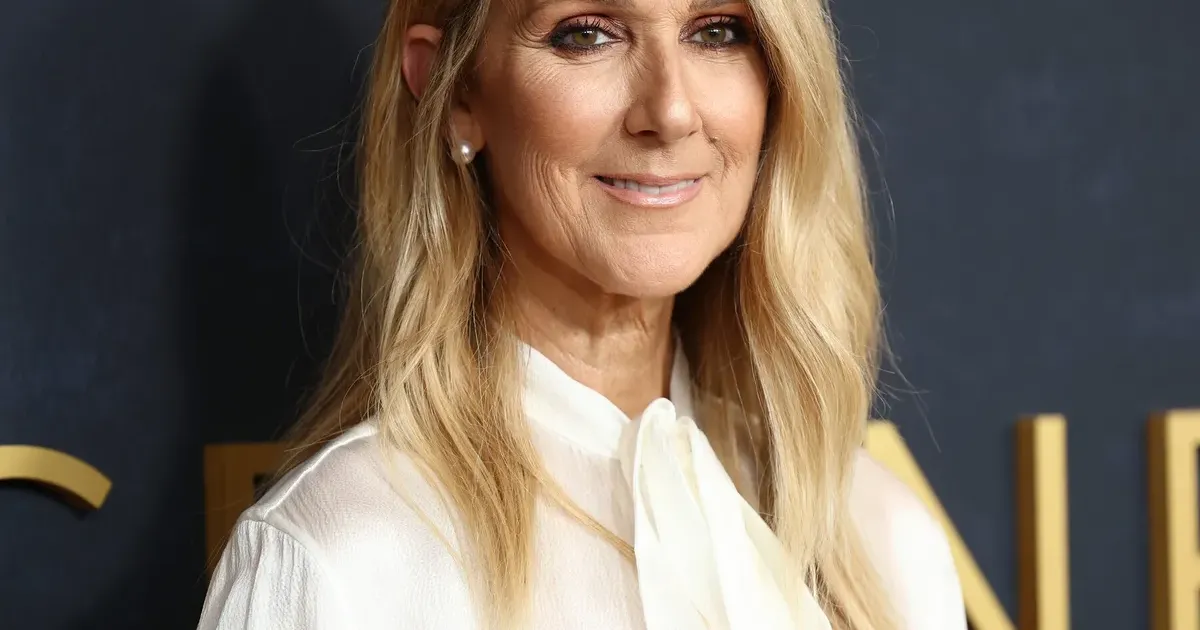
Celine Dion's Paris return is a comeback, but it is also a carefully managed health and production decision. Dion announced a run at Paris La Defense Arena beginning September 12, 2026, her first concert series since revealing her stiff-person syndrome diagnosis in 2022. The initial 10-show announcement immediately became one of the year's most emotional live-music stories.
The story has since grown. Additional Paris dates were announced after the first wave of demand, expanding the run beyond the original 10 concerts. The expansion matters because demand is huge, but the structure is still contained: one city, one venue, repeated recovery windows and a production environment that can be controlled more carefully than a sprawling tour.
Paris Gives The Return A Symbolic Frame
Paris already carried weight for Dion after her 2024 Olympic performance, when she reminded a global audience that her voice and presence could still command a major stage. Returning to Paris for a concert run builds on that memory without pretending the past few years did not happen.
The setting is large enough to feel historic. Paris La Defense Arena can host tens of thousands of fans, turning the comeback into a major public event. But the residency-style model keeps the operation fixed, which is a different promise from a country-to-country tour.
The Residency Model Protects The Artist
Stiff-person syndrome can involve severe muscle stiffness and spasms, and Dion has spoken publicly about the work required to manage her condition. A conventional tour would multiply travel, climate, rehearsal and recovery variables. A fixed venue reduces that strain.
The fixed venue does not make the return easy. It makes it more realistic. The production team can build medical support, vocal care, staging, rest and contingency planning around one location. For an artist coming back after serious illness, that structure is part of the performance plan.
Demand Should Not Define The Pace
The added dates show how intensely fans want the return. Scarcity, nostalgia and concern for Dion's health all feed the demand. But the commercial story should not swallow the human one. A sold-out run is not the same as proof that the old touring machine can simply restart.
The more grounded reading is that Dion and her team are testing a controlled version of live performance at scale. If the shows succeed, they may open the door to more. If health requires adjustment, the format gives the team more room to respond than a long route across cities would.
Fans Will Watch Differently
This will not be an ordinary greatest-hits residency. Fans know the context. They will listen for the voice, but they will also watch the pacing, movement, staging choices and emotional load of the night. The comeback carries affection and anxiety at the same time.
The context makes restraint part of the show. A performance can be powerful without proving that nothing has changed. Dion's challenge is not to erase the illness from the story, but to build a stage that respects what her body now requires.
The Return Is A Balance Test
The Paris run is a test of balance: demand against health, spectacle against pacing, nostalgia against the reality of a changed career. It is also a reminder that a comeback after illness should not be judged by old touring standards alone.
If the shows work, they will not prove that stiff-person syndrome has vanished. They will prove something more specific and more valuable: that one of pop's defining live voices can rebuild the terms of performance, keep the room enormous and still make the return feel honest.