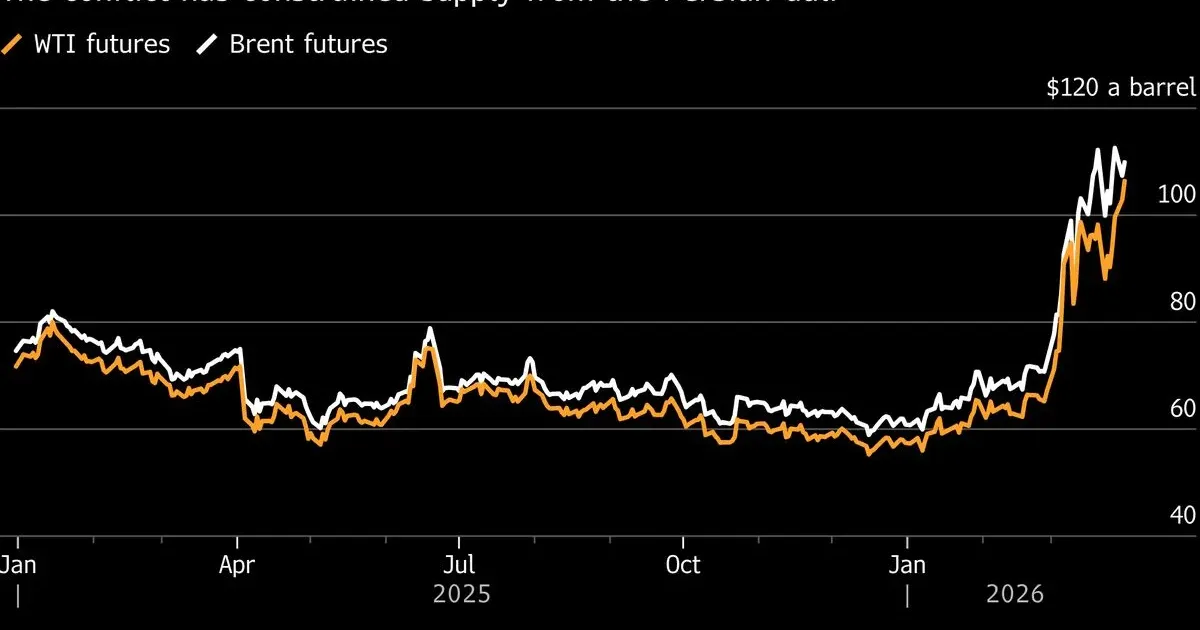
PetroChina executives confirmed that the nation's largest energy producers are adjusting their multi-year investment strategies to favor financial stability. Volatility in global crude benchmarks and fluctuating domestic demand have forced a departure from the aggressive expansionism that defined the previous decade. The China Oil Firms Prioritize Security Over Growth Targets report carried a March 31, 2026 time marker for readers following the latest account. By March 12, 2026, China oil firms had put security ahead of growth.
Refining margins have suffered as global supply chains reorganize, putting additional pressure on Sinopec to streamline its downstream operations. The company is diverting funds toward the integration of carbon capture technologies and hydrogen development rather than building new traditional refineries. Infrastructure upgrades are being scrutinized for their immediate return on investment. Historically, these firms operated with a mandate to expand at any cost, but that era has ended despite debt management priorities.
National energy security persists as the primary driver for strategic planning within the boardrooms of Beijing's oil champions. Government officials demand that domestic production remains stable to insulate the economy from external geopolitical disruptions. So, CNOOC is focusing its offshore efforts on proven reserves in the South China Sea and the Bohai Bay. Minimizing reliance on expensive imports is a non-negotiable directive from the central government. This fiscal conservatism creates a tension between the need for new discoveries and the desire for financial prudence. Escalating conflicts in the Middle East continue to drive global price volatility across all major energy benchmarks.
China must strengthen its internal supply chains to ensure that industrial activity is never compromised by the whims of foreign energy cartels, according to a recent policy brief from the National Development and Reform Commission.
Strategic planners are currently weighing the benefits of domestic drilling against the rising cost of deep-water exploration. Deep-water projects in the South China Sea offer clear potential but carry immense upfront costs and technical risks. Market observers expect CNOOC to focus on shallow-water projects that offer quicker returns. Domestic gas production is also receiving a larger share of the budget as the country shifts its focus toward cleaner-burning fuels for industrial power.
Strategic Reserves and the LNG Supply Chain
Natural gas has become the centerpiece of the long-term energy strategy for the big three producers. Expansion of liquefied natural gas (LNG) receiving terminals continues at a steady pace, even as oil exploration slows. PetroChina is aggressively securing long-term supply contracts with global exporters to ensure a steady flow of gas for the winter months. Diversifying the energy mix is seen as an essential hedge against the price swings of the international oil market. Storage capacity for both crude and gas is being expanded to provide a buffer against supply shocks.
Investors are monitoring these developments to see how the firms balance their domestic duties with their international ambitions. Overseas acquisitions have slowed sharply compared to the boom years of the early 2000s. Management teams are now more focused on extracting value from existing foreign partnerships. Project evaluations now include stricter environmental and social governance criteria, reflecting a broader shift in corporate policy. Total capital expenditure across the three major firms is projected to stay below the $45 billion threshold for the first time in three years.
Efficiency gains through digital transformation have replaced physical expansion as the primary growth engine. Older fields are being equipped with advanced sensors and AI-driven recovery systems to squeeze remaining reserves from the ground. These technological investments require less capital than drilling new wells in remote locations. PetroChina reported that secondary and tertiary recovery methods now account for a notable portion of its total domestic output. Engineering teams are tasked with reducing the carbon footprint of extraction processes to meet new state mandates.
Rising operational costs remain a persistent challenge for managers overseeing mature assets. Labor and material costs have increased, making it harder to maintain the low-cost production profiles of the past. Companies are responding by consolidating administrative functions and automating routine maintenance tasks. The focus has shifted from finding the next giant field to maximize every drop of oil from existing infrastructure. Internal data suggests that these efficiency drives are already yielding better-than-expected margins in several key basins.