FIFA has withdrawn a plan that would have placed private investors inside a new company controlling commercial rights and operations for its leading competitions. The proposal linked the World Cup to a business valued at $20 billion, with investors buying a minority position while FIFA kept control. Opposition from football confederations turned the financing pitch into a dispute over who should benefit from the sport's most valuable events.
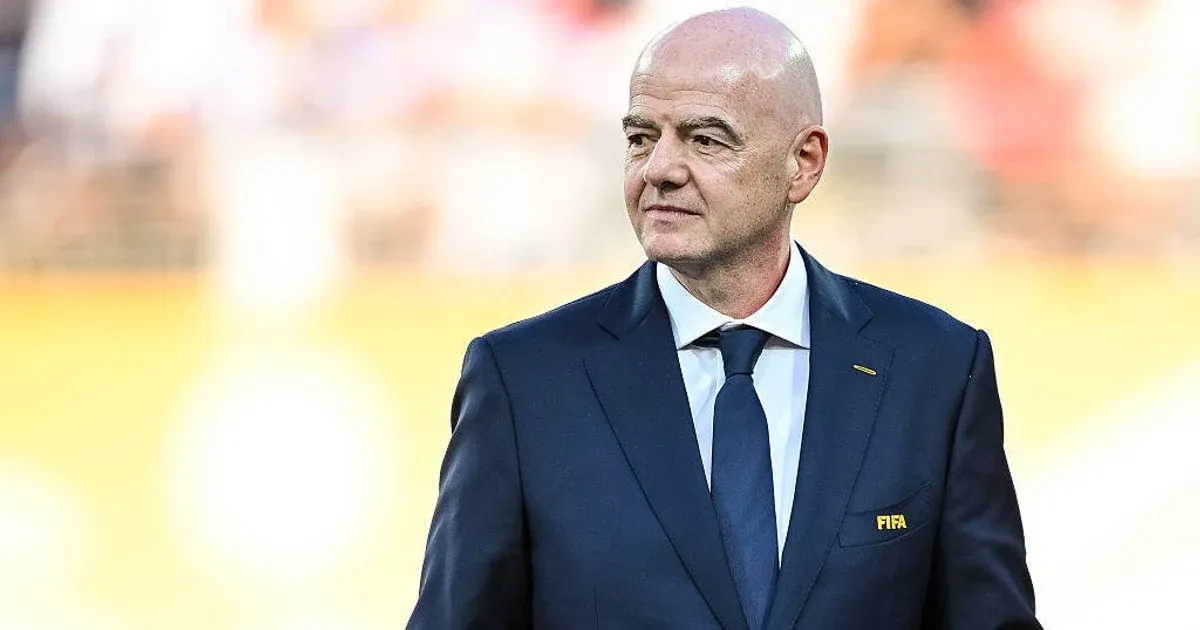
President Gianni Infantino announced the retreat after concluding that the project had divided the organization. On July 31, 2026, UEFA said all 55 of its member associations were prepared to boycott FIFA tournaments, including the World Cup, if the plan continued. CONCACAF rejected the need for private equity, while the Asian Football Confederation joined the public criticism without making its own boycott threat.
The decision ended the proposal before FIFA's 211 national associations could deliver the approval Infantino had requested. It also stopped a structure that would have moved broadcasting, sponsorship, ticketing and hospitality income into a separate commercial vehicle. The argument was therefore about more than an outside cash injection: it concerned the long-term authority attached to the competitions that generate that revenue.
Details of FFE emerged during the final week of July, leaving a short window between disclosure and organized resistance. The requested decision from national federations was due on September 19. UEFA announced its position on Thursday, CONCACAF and the Asian confederation added separate objections, and Cordeiro resigned on Friday. FIFA withdrew the project before that September 19 approval deadline, so the member associations never had to choose between the promised funding and the boycott risk in a formal vote.
FFE Would Have Sold a Minority Stake but Controlled Major Rights
The planned company was called FIFA Forward Enterprise, or FFE. FIFA would have owned 80%, with private investors holding the remaining 20% minority stake. In the figures published by CBS News, the new entity began at a $20 billion valuation. The investor round was designed to contribute $4.2 billion.
Thrive Eternal was expected to lead that group. Joshua Kushner established Thrive Capital, which operates the Thrive Eternal fund. Jared Kushner, Joshua's brother, is President Donald Trump's son-in-law. A person familiar with Thrive Capital defended Joshua Kushner to CBS News, saying he had no administration role and that criticism based on the family relationship was unfair. The withdrawal means the proposed consortium will not acquire the position described in FIFA's plan.
The financial case included more money for national associations. Member associations currently receive $8 million over four years, according to CBS News. FIFA projected the same cycle at roughly $20 million under FFE. DW separately reported that associations were being offered $40 million if they supported the measure. Those figures describe different presentations of the benefit and should not be treated as one confirmed payment schedule.
The proposed corporate boundary carried practical weight. FFE would not merely have licensed the FIFA name; it would have managed event operations and sold access to broadcast, sponsorship, tickets and hospitality rights. A minority investor could therefore gain exposure to revenue produced by competitions that national associations and confederations regard as part of football's shared institutional property.
A Boycott Threat Turned Consultation Into a Governance Test
UEFA's opposition supplied the pressure that other objections had not. Its members unanimously backed a boycott of all FIFA tournaments if Infantino pressed ahead, according to DW. The stance placed the men's World Cup, women's World Cup and Club World Cup inside the same confrontation and made approval costly even before a formal vote.
The World Cup is not for sale.
That seven-word UEFA statement rejected the premise that the tournament could be treated as an investment product. CONCACAF questioned why private capital was needed after what it described as the most profitable World Cup in history. The Asian confederation expressed solidarity with both organizations over the plan and the decision process, but neither body matched UEFA's boycott commitment.
Internal resistance was also visible. Carlos Cordeiro left his senior advisory role on Friday and said a World Cup stake was incompatible with his position. DW reported that FIFA chief operating officer Kevin Lamour later called the proposal the project of one person and accused Infantino of misleading staff. Their responses showed that the dispute had reached the administration around the president, not only federations outside FIFA headquarters.
Confederation Unity Limited FIFA's Commercial Freedom
Infantino said FFE was intended to strengthen member associations, especially where financial support was most needed, and that it would proceed only with majority support after consultation. The plan's collapse reveals the other side of that condition. FIFA could design the company and recruit prospective investors, but it could not separate commercial execution from acceptance by the bodies whose teams make the competitions possible.
The decisive coalition was not uniform in tactics. UEFA threatened withdrawal, CONCACAF challenged the financing logic and the Asian confederation objected to both substance and process. Together they made the governance cost of proceeding greater than the capital FIFA expected to raise. The episode leaves FIFA free to seek other ways to expand member funding, but any replacement will have to explain who controls competition rights, how investors earn a return and what authority remains with football's associations before money is promised.