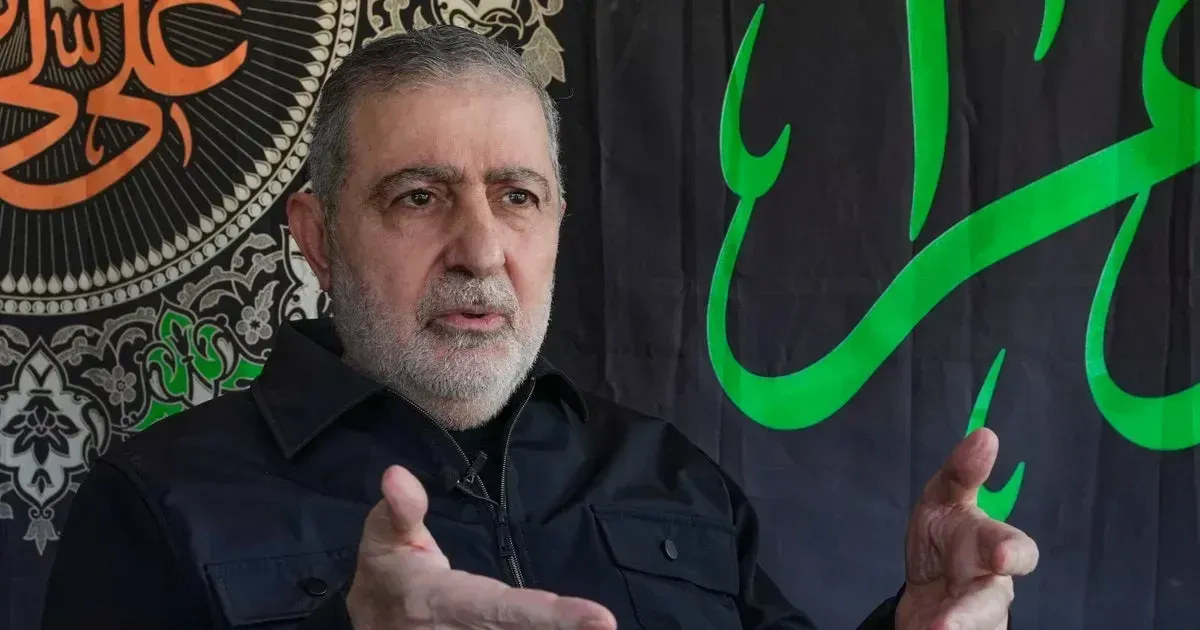
Hezbollah rejected a U.S.-backed peace track as Israeli strikes intensified across southern Lebanon. Israeli forces reported a wide air campaign, and Lebanese officials warned that civilian pressure was still rising. Washington continued preparing talks despite the rejection. Officials reported on April 13, 2026, that 150 Hezbollah-linked sites had been hit in 24 hours.
Israeli Strikes Hit Hezbollah Sites
Israeli commanders prioritized the destruction of rocket launchers and unmanned aerial vehicle (UAV) storage facilities during the latest sorties. Tactical maps released to the press showed a high concentration of strikes in the mountainous terrain where mobile firing platforms are often concealed. Ground-based radar systems tracked multiple interceptions of incoming projectiles throughout the day, suggesting that Hezbollah maintained a degree of operational capacity despite the intensity of the bombardment. Specific targets included fortified military structures that served as communication nodes for the Hezbollah central command. Israeli officials stated that these facilities were embedded within civilian infrastructure, a claim that the group has repeatedly denied in its own propaganda broadcasts. Military hardware, including advanced anti-tank missiles and short-range rockets, was reportedly destroyed in the raids.
IDF Spokesperson Daniel Hagari noted that the air force used precision-guided munitions to minimize collateral damage in densely populated zones. Footage from the scene, however, showed meaningful destruction to residential blocks and commercial centers. Israeli tactical planners focused their efforts on the Litani River basin, aiming to push armed units further from the international border. As Washington prepares to host the delegations, the efficacy of these truce negotiations remains a subject of intense debate.
Southern Lebanon Death Toll Passes 2,000
Casualty figures provided by the Lebanese health ministry on April 13, 2026, indicate that the total number of fatalities has exceeded 2,000 people. This tally includes both combatants and non-combatants, with the highest concentration of deaths occurring in the border towns of Tyre and Nabatieh. Al Jazeera reporters on the ground documented a surge in hospital admissions, stretching the resources of a medical system already weakened by years of economic instability.
Relief agencies warned that the humanitarian situation is deteriorating rapidly as supply lines for food and medicine are severed by the ongoing air strikes. Displacement camps in central Lebanon are currently operating at double their intended capacity. Rescue workers often find themselves unable to reach collapsed buildings because of the persistent threat of secondary explosions or follow-up strikes.
International observers from the United Nations Interim Force in Lebanon (UNIFIL) monitored the escalation from their observation posts. These personnel reported multiple violations of sovereign airspace and numerous instances of cross-border shelling. Several UN positions sustained minor damage during the exchanges, although no fatalities among the peacekeepers were confirmed by the end of the day.
Hezbollah Rejects Washington Talks
Washington is currently preparing to host high-level delegations from Beirut and Tel Aviv in an effort to de-escalate the regional tension. These discussions represent the most serious diplomatic push since the conflict began several months ago. White House officials expressed hope that a compromise could be reached based on the framework of UN Resolution 1701.
The group will not abide by any agreements made in upcoming direct talks between Israel and Lebanon in the United States.
A senior official from the militant group delivered this ultimatum during a televised address, arguing that the Lebanese state does not have the authority to negotiate on behalf of the resistance. This stance creates an enormous hurdle for the Trump administration, which had hoped to secure a ceasefire before the conflict expanded further into the region. Hezbollah maintains that its military actions are naturally linked to the situation in Gaza, refusing to halt its campaign until a permanent ceasefire is established in the Palestinian territory.
Beirut officials found themselves in a difficult position as they prepared for the American summit. The Lebanese government lacks the military power to enforce a treaty on the southern militias, rendering any potential agreement largely symbolic without the consent of Hezbollah leadership. Analysts from the Independent suggested that the rejection by the militants effectively vetoes any progress before the first meeting even begins.
Diplomacy continues to stall as the ground situation evolves. Israeli Prime Minister Benjamin Netanyahu reiterated that the military will not stop its operations until the northern communities can return to their homes safely. Hezbollah, in contrast, continues to fire volleys of rockets into the Galilee region, maintaining a war of attrition that neither side appears capable of winning outright.
Ceasefire Limits in Lebanon
Placing faith in high-level diplomatic summits while rockets are in the air ignores the fundamental disconnect between the Lebanese state and its most powerful paramilitary force. The White House is engaging in a theatrical exercise that serves political optics rather than tactical reality. Lebanon remains a nation with two governments, one that sits in the parliament in Beirut and another that operates from the bunkers of the south. Negotiating with the former while ignoring the latter is a recipe for a failed treaty before the ink is dry.
Israel has clearly decided that a diplomatic solution is a secondary priority to the physical degradation of Hezbollah's arsenal. By striking 150 targets in a day, the IDF is signaling that it no longer trusts the international community to police the Litani River. The mounting death toll is a grim metric of this shift in strategy. Western leaders may call for restraint, but their pleas carry no weight when one side views the talks as a betrayal and the other sees them as a distraction from total military victory.
History teaches that border conflicts in this region are rarely settled by bureaucrats in Washington. They are settled by the exhaustion of the combatants or the total destruction of one side's ability to wage war. As it stands, both parties are far from either conclusion. Expect the peace talks to yield nothing but empty press releases. Diplomacy has failed.