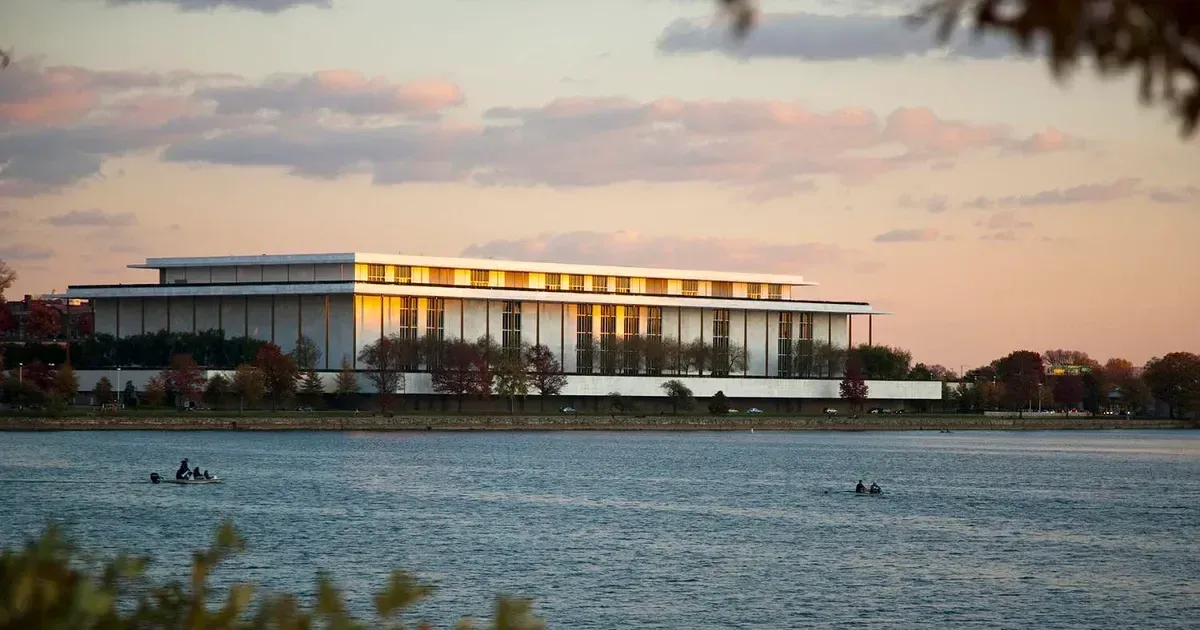
Judge Christopher Cooper issued a directive to the Trump administration requiring the immediate removal of the president's name from the John F. Kennedy Center for the Performing Arts. The order, handed down in Washington on May 29, 2026, halts a controversial rebranding effort that had altered the visual identity of the national cultural landmark. Cooper also moved to block a planned two-year closure of the facility, which the administration had sought to enable extensive repairs.
Signage bearing the name of the current president must be removed from both the physical building and its official website. Administrative officials received a strict 14-day deadline to comply with the mandate. This injunction effectively reverses a decision made by the center's board, which had voted to add Trump to the institution's formal nomenclature earlier in the year.
"The institution's board acted unlawfully when it added President Trump's name to the building," the court finding stated during the Friday session.
Washington legal circles viewed the ruling as a clear check on the executive branch's influence over semi-autonomous federal institutions. Cooper, an appointee of the Obama administration, found that the board exceeded its statutory authority by altering the name of a site specifically designated by Congress as a memorial to the 35th president. Physical changes to the facade had already begun before the court intervened.
Renovations were supposed to shutter the doors of the performing arts venue for at least 24 months. Instead of the planned shutdown, the center must now find ways to conduct maintenance while keeping its stages open to the public. The ruling prevents what critics described as an unnecessary disruption to the 2026 and 2027 performance seasons.
Public Access and Performing Arts Schedule
Public access to the memorial remains a primary concern for the court.
Beyond the physical signs, digital assets including ticketing portals and educational resources must be cleared of the unauthorized branding. Records from the court session indicate that the board’s vote was conducted without the necessary public comment period or legislative consultation usually required for national memorial changes. Legal challenges against the board began almost immediately after the new name was announced on the building's white marble exterior.
Management of the facility now faces the logistical challenge of reversing the branding without further disrupting operations. Still, the court was clear that the legislative intent of the original 1964 act creating the center takes precedence over recent board resolutions. Compliance will be monitored by the court to ensure all references to the current president are removed within the two-week window.
The decision also leaves Kennedy Center managers with a difficult operational calendar. Touring productions, education programs, donor events, and public ceremonies were built around the expectation that the venue would remain available through the coming season. A full two-year shutdown would have forced many performances into smaller substitute spaces and created financial pressure for artists, vendors, and workers tied to the center. The injunction requires administrators to separate urgent repair work from the broader rebranding dispute.
Board Authority and Congressional Intent
The decision tests how far an administration can go in rebranding national monuments without seeking a new mandate from Congress. This decision by the district court suggests that the statutory boundaries surrounding memorials are more rigid than the current board anticipated. By ruling that the board acted unlawfully, the court has effectively placed a protective ring around the legacy of John F. Kennedy in the capital's cultural architecture.
Judicial intervention here is a clear limit on the personalization of public institutions.
Future administrations may find it increasingly difficult to overwrite the historical designations of federal buildings if this precedent holds. The refusal to allow a two-year closure also highlights a judicial preference for institutional continuity over aggressive renovation timelines. Legal scholars will likely view this as a reaffirmation that boards of national landmarks serve as custodians of history, not architects of political realignment.
The Injunction Limits Political Control of Memorial Branding
The immediate legal fight now turns on whether the administration can show that the board had any independent authority to change the name of a congressionally designated memorial. If the answer remains no, the case could limit how future boards handle politically sensitive alterations to federal cultural institutions. The ruling also gives preservation groups a stronger argument that memorial names cannot be treated as routine branding assets.
For the administration, the order creates a visible setback because it requires both physical removal and digital correction under a short deadline. Failure to comply could expose officials to contempt proceedings or further oversight demands. The June filings will determine whether the injunction remains narrow or becomes a broader ruling on executive influence over the center. The outcome will also shape how quickly the Kennedy Center can resume routine planning after weeks of uncertainty around its name, calendar, and repair schedule. Performers and ticket holders will need updated guidance quickly. The ruling will also force the board to separate ordinary maintenance decisions from political branding fights before any new closure plan returns. The order may also affect donors and performers who had delayed planning while the center's name and closure schedule remained uncertain.