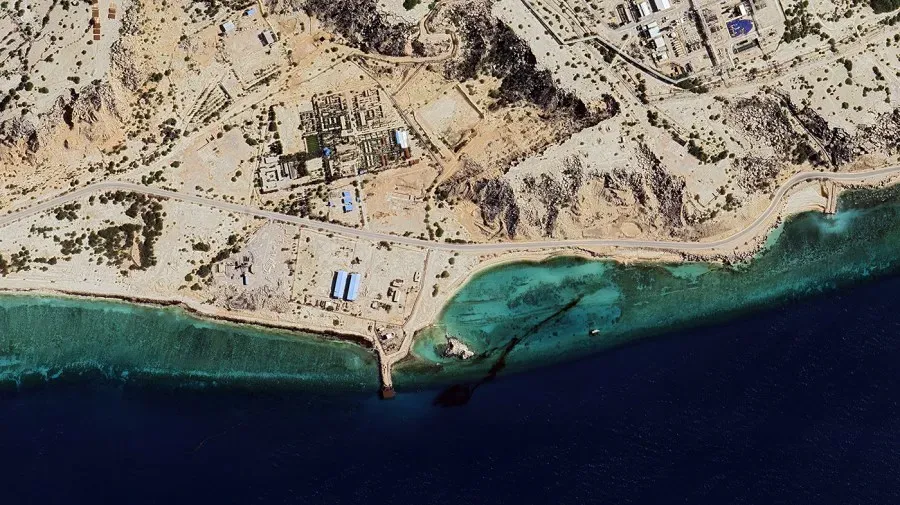
Kharg Island matters because it changes the Iran war from a contest over missiles, ships and airstrikes into a test of oil leverage. President Donald Trump's threats against Iranian energy infrastructure have made the island more than a map point in the Gulf. It is the place where military pressure, export revenue, shipping confidence and domestic fuel prices meet.
No U.S. seizure is demonstrably underway, and not every threat should be treated as an operational plan. The actual point is narrower. Once Washington talks openly about Iran's export artery, traders and allies have to price a conflict in which energy infrastructure is no longer outside the pressure campaign.
Kharg Island Is Iran's Export Artery
Kharg Island has long been central to Iran's crude-export system. A threat against it therefore carries a different weight from another strike on radar, launchers or military buildings. Damage to the terminal would hit state revenue, shipping schedules, insurance pricing and buyer confidence at the same time.
The island gains its leverage from that exposure. Iran can absorb military losses and still claim resistance. Losing confidence in the export channel is harder to disguise because it shows up in tanker behavior, available revenue and the willingness of customers to keep taking political risk.
Threatening Is Not The Same As Holding
The language around Kharg Island often blurs three very different choices: striking, blockading and occupying. A strike can damage capacity and send a signal. A blockade requires sustained naval control and legal justification. Occupation would demand forces, logistics, air cover and a plan for what happens after the terminal is taken.
Those differences matter because energy infrastructure is easier to wreck than to control. A terminal can be damaged in minutes and take months to normalize. Holding it would expose the United States and its partners to retaliation, sabotage, environmental recovery costs and a long argument over sovereignty. The phrase sounds decisive; the actual commitment would be ugly.
Hormuz Turns Damage Into Market Fear
Kharg Island cannot be separated from the Strait of Hormuz. Even if tankers keep moving, the route becomes more expensive when crews, insurers and charterers believe the war is moving closer to oil terminals. The market does not wait for a full closure. It moves when the probability of delay, missile fire, mines, drone attacks or escort requirements rises.
Iran does not need to match the United States ship for ship. It can harass traffic, threaten Gulf infrastructure, use drones and missiles, or let uncertainty do part of the work. Commercial shipping is built around predictability. The moment predictability weakens, the conflict reaches consumers through freight, fuel, insurance and inflation expectations.
European and Gulf governments may support pressure on Iran's nuclear and missile programs while still resisting a move that threatens the export system they depend on. Gulf states have spent years trying to keep energy flows separate from open war. A Kharg Island operation would make that separation harder to defend.
The same problem exists inside U.S. politics. Hawks can argue that Iran only responds to force. Restraint-minded Republicans and Democrats can argue that a threat designed as leverage risks becoming another open-ended Middle East commitment. Both sides understand the domestic danger: voters may tolerate toughness until gasoline prices, shipping disruption and U.S. casualties make the cost visible.
The Environmental Risk Is Part Of The Strategy
Oil terminals are not clean targets in practical terms. Storage tanks, loading systems, pipelines and surrounding waters turn a military action into a recovery problem. Fires and spills would not stay inside a neat operational frame. They would create pressure on neighboring states, shipping firms and any coalition member associated with the strike.
Environmental and commercial costs can weaken the political value of a threat. A successful strike that drives oil higher, alarms allies and hands Iran a retaliation narrative may still fail as coercion. The target can be tactically vulnerable and strategically expensive at the same time.
The Leverage Can Cut Both Ways
Washington's message is that Iran's oil revenue is exposed if Tehran keeps pressure on Hormuz or refuses a deal. Tehran's answer is likely to be that U.S.-backed shipping, Gulf facilities and global energy consumers are exposed too. That is the trap inside the threat. Once oil infrastructure enters the argument, both sides gain ways to hurt each other beyond the battlefield.
Kharg Island is dangerous because it is too useful as a symbol. It suggests a fast way to squeeze Iran, but the squeeze would run through a global oil system already nervous about Hormuz. A threat meant to strengthen negotiations can become proof that the war is sliding from nuclear pressure into resource coercion. Such escalation is hard to start carefully and harder to stop cleanly.