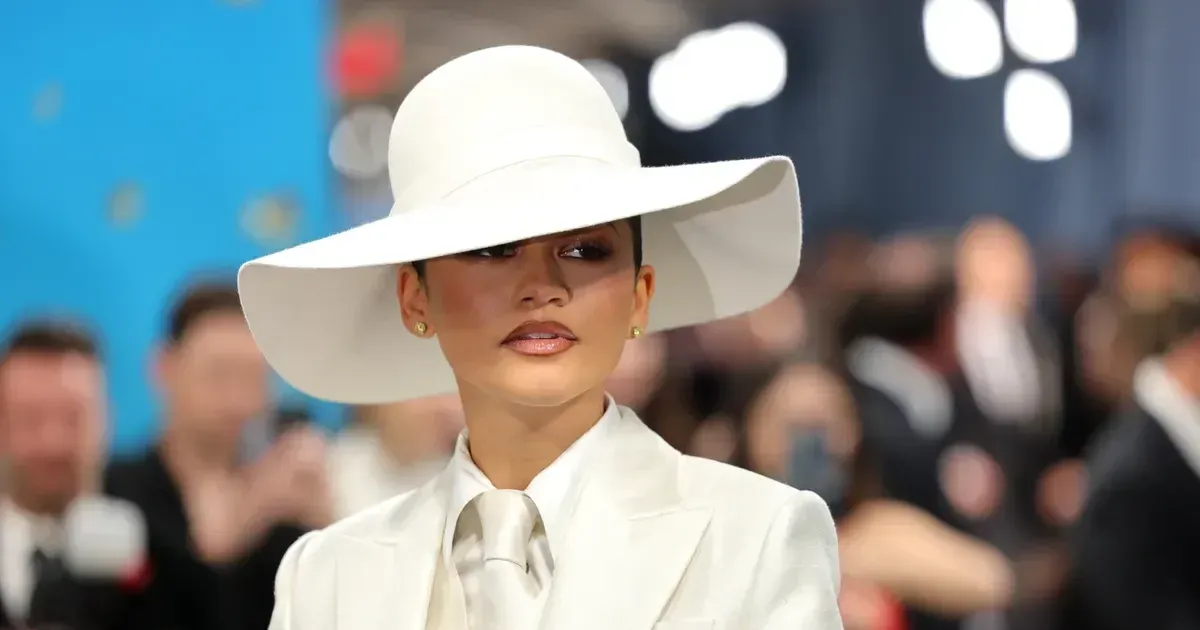
The Met Gala theme gives the museum a way to frame celebrity spectacle as cultural fundraising. New York City hosts the global fashion elite today as the Metropolitan Museum of Art prepares for its premier annual fundraiser. The event, held on May 4, 2026, continues the longstanding tradition of gathering cultural icons on the first Monday of May to support the museum's Costume Institute.
Costume Institute curators selected "Fashion is Art" as the foundational theme for this year's exhibition and gala.
Fundraising remains the primary objective of the evening, providing the essential budget for the only self-funded department within the Metropolitan Museum of Art. Individual tickets for the invitation-only event often reach high five-figure sums, while corporate sponsors purchase tables for several hundred thousand dollars. These proceeds maintain the museum's extensive collection of historical garments and fund future research initiatives. Ivy Buck, reporting for NPR, indicates that the gathering is the financial backbone for the institute's conservation efforts and gallery acquisitions.
High-profile attendees are expected to interpret the "costume art" concept through experimental designs that challenge traditional silhouettes. NBC News reports that the theme encourages a dialogue between functional clothing and gallery-level aesthetic expression. Designers and celebrities typically spend months collaborating on outfits that reflect the specific exhibition criteria. This year, the focus shifts away from historical retrospectives toward the conceptual definition of clothing as a legitimate medium of fine art. Most attendees will arrive at the $50 million gala throughout the early evening hours to walk the signature red carpet.
Costume Institute Fundraiser Returns to Manhattan
Logistical preparations at the museum began weeks ago to accommodate the surge of media personnel and security details required for the night. Barriers now line the perimeter of Central Park to manage the crowds that gather to witness celebrity arrivals. NBC News suggests that the red carpet remains the most visible portion of the night, but the internal program includes a formal dinner and a private viewing of the new exhibition. Guests must follow a strict dress code that aligns with the year's artistic vision. Security protocols involve multiple checkpoints to ensure the safety of the high-value jewelry and couture pieces on display.
The NBC News guide describes the 2026 theme as a focus on costume art that bridges functional attire and gallery-worthy work.
Savion Washington captured preliminary images of the site preparations as the museum closed its doors to the general public for the private function. While the Met Gala is often characterized by its celebrity guest list, the event's internal structure focuses on preserving the narrative of human dress. Curator-led tours for the guests emphasize the craftsmanship and technical skill involved in the pieces selected for the "Fashion is Art" display. The 2026 collection includes works that span several centuries, highlighting how garment construction has mirrored movements in painting and sculpture.
Fashion Is Art Exhibition Defines Red Carpet Choices
Digital platforms and broadcast networks will provide live updates as the first arrivals reach the steps of the museum. Viewing schedules indicate that the red carpet coverage will start in the late afternoon and continue until the final high-profile guest enters the building. Ivy Buck notes that the invitation list remains one of the most closely guarded secrets in the industry, managed by a select committee that prioritizes cultural relevance and philanthropic commitment. Industry leaders from film, music, and technology will sit alongside designers to celebrate the institutional recognition of fashion design. This participation ensures the continued viability of the Costume Institute's scholarly work.
Public interest in the gala often drives large museum audiences in the months following the event. The exhibition itself will open to the general public shortly after the gala concludes, allowing visitors to see the garments that inspired the red carpet looks. Previous Costume Institute exhibitions have helped draw sustained attention to the Manhattan site. The 2026 exhibition aims to maintain this trajectory by presenting fashion as more than a commercial industry, but as a discipline worthy of academic and artistic scrutiny. Every display case in the new gallery has been designed to emphasize the structural integrity and artistic merit of the featured pieces.
The Gala Converts Celebrity Attention Into Museum Funding
Situating the Met Gala within the broader context of museum economics reveals the necessity of high-stakes philanthropy for modern cultural institutions. While the spectacle of the red carpet dominates public discussion, the underlying reality is a calculated survival strategy for the Costume Institute. By branding fashion as art, the museum elevates the commercial garment into a protected cultural asset, justifying the immense costs of preservation and archival storage. The transition is more than semantic; it changes how insurers, donors, and the public perceive the value of textile history.
The 2026 theme reinforces the idea that the craftsmanship of a gown is equivalent to the brushstroke of a master painter. As public funding for the arts remains inconsistent, the ability to merge celebrity culture with institutional fundraising is an essential component of the Metropolitan Museum of Art's operational model. The success of the night will be measured by the final donation tally and its ability to sustain the department through the next fiscal cycle. What begins as a parade of luxury garments ends as a serious investment in the documentation of human creativity.