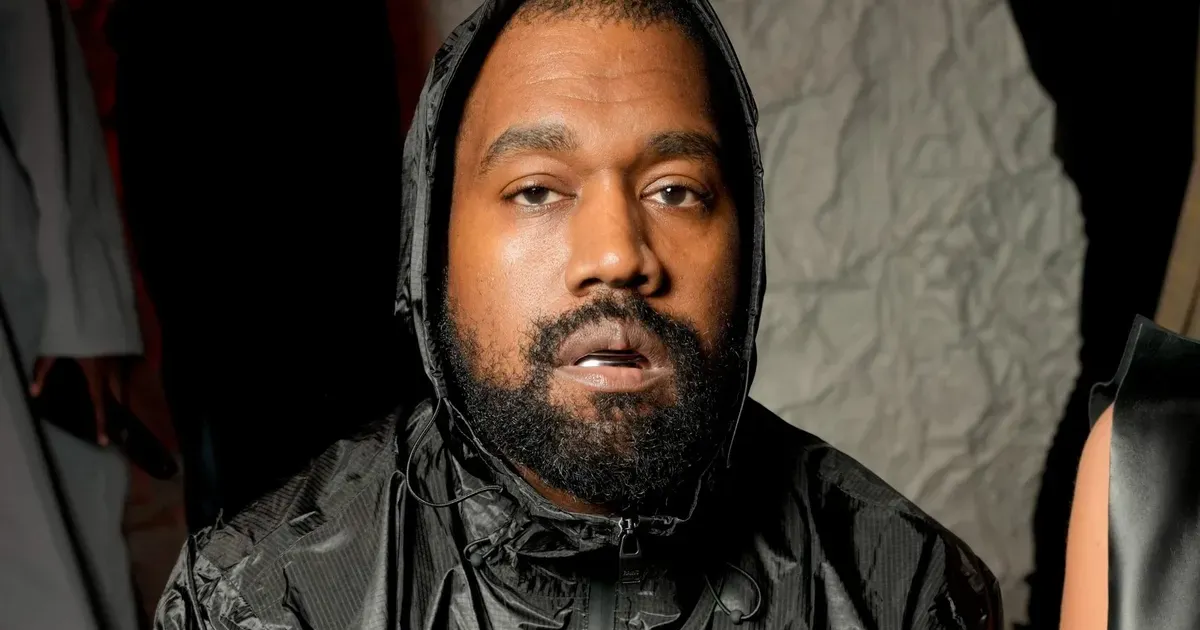
Wireless Festival's Ye booking did not end as a culture-war argument around a future headline set. It ended with the 2026 festival cancelled after the UK government blocked Ye from entering the country. That outcome changed the story. Sadiq Khan's condemnation, the Jewish Leadership Council's objections, sponsor withdrawals and public pressure were not background noise. They became part of a chain of consequences that made the event commercially and legally impossible.
Festival Republic had announced that Ye, formerly Kanye West, would headline all three nights at Finsbury Park from July 10 to 12, marking his first UK performance in more than a decade. The backlash was immediate because of his history of antisemitic remarks and conduct, including Nazi-related imagery and provocations that critics said made the booking dangerous rather than merely controversial.
Khan's Criticism Was Only the First Line
London Mayor Sadiq Khan said the booking did not reflect London's values, while also making clear that City Hall had not chosen the lineup. Khan's distinction mattered. The mayor was condemning the decision, not directly cancelling the festival. But civic condemnation still carries weight when an event uses public space, requires local cooperation and depends on the city's tolerance for disruption.
The political signal widened quickly. Prime Minister Keir Starmer called the booking deeply concerning. Jewish community organizations argued that platforming Ye was irresponsible during a period of heightened antisemitism. The dispute moved beyond whether one artist could sell tickets. It became a question of whether a major London festival was asking the city to absorb reputational risk for a commercial gamble.
Sponsors Made the Cost Concrete
Public criticism became a business problem when sponsors started pulling back. Pepsi withdrew support, and other brands including PayPal and Rockstar Energy distanced themselves from the event. Sponsor support matters because festivals do not run on ticket sales alone. Sponsorship, payment infrastructure, licensing confidence and reputational safety all help hold the weekend together.
A controversial booking can generate attention, but attention is not always an asset. Once brand partners decide the association is too damaging, the economics change. Wireless may have expected Ye's name to create scarcity and urgency. Instead, the booking made risk more visible than demand.
The UK Entry Decision Ended the Argument
The decisive turn came when UK authorities blocked Ye's entry, citing the public-good test used in immigration decisions. That made the festival's position untenable. If the headliner cannot enter the country, the promoter cannot simply ride out criticism as a public-relations storm.
The cancellation also shows the difference between a private platforming decision and the state's border power. A festival can choose an artist. Sponsors can leave. Politicians can condemn. Community groups can protest. But an entry ban changes the practical reality. It turns moral opposition into an operational stop sign.
Ye's Apology Could Not Carry the Booking
Ye had attempted to answer criticism through apology language and an offer to meet members of the UK Jewish community. Earlier in 2026, he also published an apology tied to his antisemitic behavior. Critics were not persuaded, especially because later actions and imagery appeared to undermine the claim that the harm had been fully confronted.
Trust is the problem with redemption arguments in live entertainment. A promoter can say an artist deserves another chance, but the public is allowed to ask what changed, who was harmed, who was consulted and whether the proposed performance benefits anyone beyond the artist and the ticket seller. Words are not enough when the commercial platform arrives before trust is rebuilt.
Finsbury Park Made It a Civic Issue
Wireless is not a small private room. Finsbury Park is a public space with residents, local authorities, policing needs, transport pressure and communities who experience the event whether or not they bought tickets. That made the booking more sensitive than a closed industry showcase.
A city can license major music events without endorsing every lyric or every performer. But when a headliner carries a history tied to hate speech, the public-space question becomes harder. Residents and community groups are not only reacting to a setlist. They are asking why their park and their city should host the symbolic return.
The Lesson Is About Risk, Not Taste
The conclusion is that Wireless treated controversy as something that could be priced into a festival plan. It turned out the price was higher than the business could bear. Sponsors left. Political pressure rose. The government intervened. The festival collapsed.
This was not only a debate about whether offensive artists should ever perform again. It was a test of how live entertainment handles accountability when a booking collides with community harm. Ye's name still carries commercial force. Wireless learned that force can also repel the infrastructure a festival needs to exist. In the current live-music economy, platforming is not only a values decision. It is a licensing, sponsor, immigration and public-trust risk.