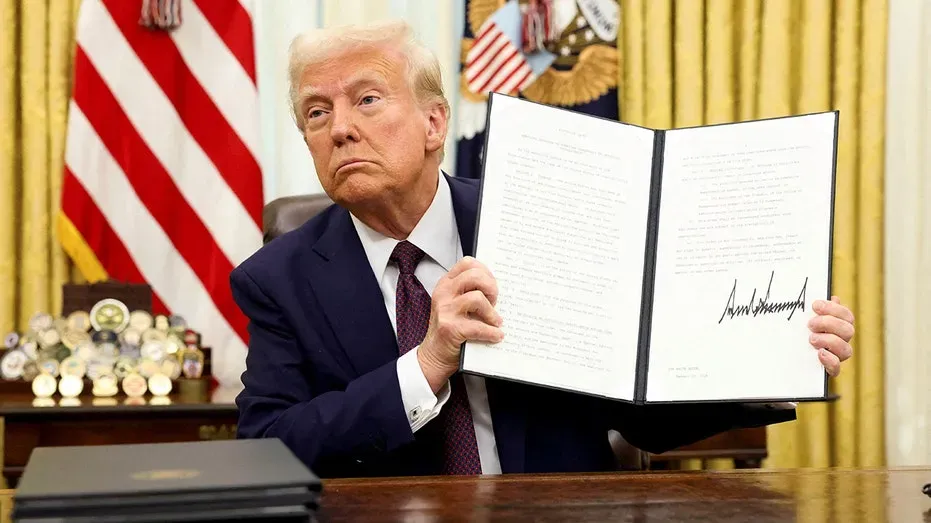
The Supreme Court's June 30, 2026 decision in Trump v. Barbara turned a constitutional fight over birthright citizenship into a direct defeat for President Donald Trump's Executive Order 14160. The Court held that children born in the United States to parents who are unlawfully or temporarily present are still citizens at birth under the Fourteenth Amendment. The ruling did more than settle one immigration policy. It blocked an attempt to make citizenship status depend on a president's reading of parental immigration status.
Chief Justice John Roberts wrote the Court's opinion, joined by Justices Sonia Sotomayor, Elena Kagan, Amy Coney Barrett and Ketanji Brown Jackson. Justice Brett Kavanaugh concurred in the judgment and dissented in part. Justices Clarence Thomas, Samuel Alito and Neil Gorsuch dissented in different alignments. The result affirmed the New Hampshire district court's injunction and left the administration without the constitutional rewrite it sought.
The Court Kept the Rule Clear
The majority's answer was direct: a child born in the United States and subject to U.S. law is a citizen at birth. The administration wanted the words "subject to the jurisdiction" to exclude children whose parents were undocumented or in the country on temporary status. The Court rejected that reading, treating the exceptions as narrow and historically specific: children of foreign diplomats, children born in territory not under U.S. control and older tribal-sovereignty categories that Congress later addressed separately.
The clear rule is the practical force of the decision. Citizenship at birth has to be administrable. Hospitals, state vital-records offices, passport agencies, schools and families cannot operate under a rule that requires a newborn's status to turn on a federal investigation into the parents' papers. The majority kept the line where it has long functioned: birth on U.S. soil, with narrow jurisdictional exceptions, creates citizenship.
Wong Kim Ark Remained the Anchor
The 1898 decision in United States v. Wong Kim Ark remained central. The Trump administration tried to limit that precedent to children of parents who were permanently domiciled in the United States. The majority read the case more broadly, as confirmation that the Fourteenth Amendment adopted a birthright rule rooted in common law and Reconstruction's rejection of Dred Scott.
The historical frame mattered. The Court treated the Citizenship Clause as a constitutional promise, not a flexible immigration tool. The majority was unwilling to accept a domicile test that would let the government carve children out of citizenship because their parents' presence was unlawful, temporary or politically unpopular.
Barrett's Vote Changed the Politics
Justice Barrett's decision to join Roberts and the three Democratic-appointed justices gave the ruling its sharpest political edge. Trump and his allies had expected a more sympathetic conservative Court on executive power and immigration. Instead, the majority drew a constitutional boundary that the administration could not cross.
The alignment explains the backlash from parts of the right. The decision did not turn the Court into a liberal institution. It showed that even a conservative Court may refuse a theory when the legal claim asks too much. The administration did not lose because the issue was politically unimportant. It lost because the proposed reading of the Citizenship Clause would have made a settled status depend on an unstable executive classification.
The Dissents Wanted a Narrower Citizenship Clause
The dissents pushed different versions of a narrower rule. Justice Thomas emphasized domicile and the Reconstruction-era purpose of securing citizenship for formerly enslaved people and their descendants. Justice Alito also resisted the majority's broad reading of Wong Kim Ark and warned against extending automatic citizenship to children of temporary visitors or people without lawful status.
Those arguments will not vanish. They give future restrictionists a legal vocabulary for legislation, constitutional amendment talk or narrower administrative fights. But after Trump v. Barbara, they are dissents. The controlling rule is that the Citizenship Clause protects children born in the United States even when the government objects to the parents' immigration status.
The Bureaucratic Chaos Argument Was Real
The challengers' practical warning carried weight beyond courtroom theory. If the executive order had survived, the government would have needed a new citizenship-screening system at birth. Parents' visa categories, unlawful presence, pending applications, asylum claims and mixed-status family facts could all have become relevant to a newborn's recognition as a citizen.
The proposed system would have created delay and fear in the first legal moments of a child's life. Birth certificates, Social Security records, passports, health coverage, school enrollment and tax filings could have become contested terrain. The administration framed the order as a correction to abuse. The effect would have been a federal status machine aimed at infants.
Citizenship Is Not an Enforcement Lever
The constitutional point is that birthright citizenship frustrates some enforcement politics precisely because it is clear. It prevents the government from turning a child's legal existence into leverage against the parents. That is not a loophole. It is the constitutional design the Court chose to preserve.
Trump v. Barbara does not end immigration conflict. Congress can still legislate within constitutional bounds. Agencies can still enforce immigration law against adults. But the ruling says the president cannot use an executive order to make citizenship conditional for U.S.-born children covered by the Fourteenth Amendment. A newborn is not a policy experiment. Citizenship is not a dial on the Oval Office desk. The Court's answer should have been obvious, and on June 30 it finally became binding.