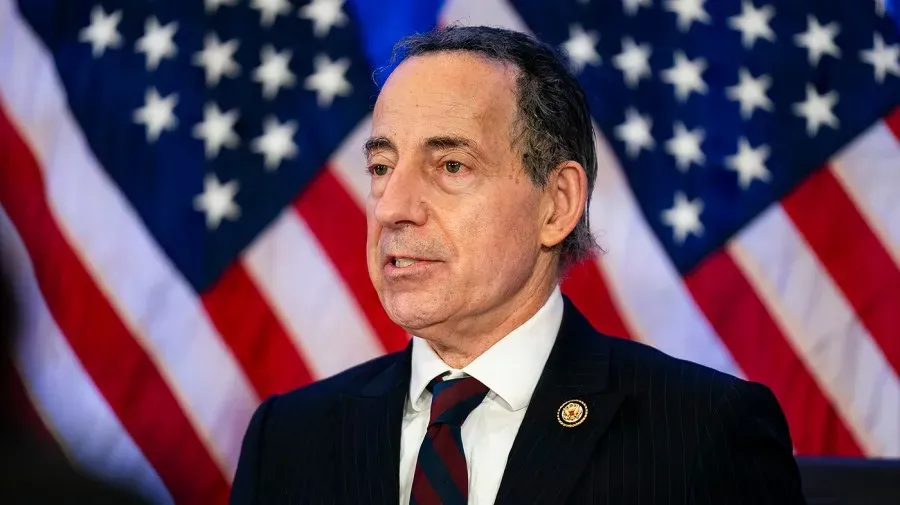
Rep. Eric Swalwell's demand that FBI Director Kash Patel halt any release of old records tied to Christine Fang is not only a fight over one congressman's reputation. It is a test of whether sensitive bureau files can be handled as public-interest material without becoming political ammunition.
The underlying matter is old and still politically combustible. Fang, also known as Fang Fang, was identified years ago as a suspected Chinese intelligence operative who developed contacts with U.S. politicians. Swalwell was not charged with a crime, has said he cooperated with federal officials after being alerted and cut ties with her. The House Ethics Committee later closed its separate review without taking action. Those facts do not erase public interest in foreign-influence cases. They do set a high bar for any public release of raw investigative material.
The File Is Not A Verdict
The most important distinction is basic: an FBI file is not the same as proof of wrongdoing. Investigative records can contain tips, interviews, preliminary leads, intelligence fragments, third-party claims and internal judgments that were never tested in court. Once released into a partisan environment, those fragments can be treated as established fact even when they never supported a charge.
Swalwell's lawyers therefore framed the issue around privacy law and Justice Department norms. Their argument is not simply that the records would be embarrassing. It is that disclosure of nonpublic law-enforcement material about an uncharged person can violate legal protections and damage reputations in a way that no later explanation can fully repair.
Public Interest Still Exists
There is a serious counterargument. Foreign influence operations involving elected officials are legitimate matters of public concern. Voters have an interest in knowing whether officials were targeted, how the FBI responded and whether the bureau warned lawmakers quickly enough. Transparency can expose institutional failure as well as individual misconduct.
But public interest does not automatically justify a document dump. The stronger path is controlled oversight: congressional review under secure conditions, lawful redactions, clear explanation of what the records do and do not show, and protection for sources, methods and third parties. A release that gives the public context is different from a release designed to create suspicion.
Patel's Role Makes The Optics Worse
Kash Patel is not a neutral figure in the political imagination around Swalwell. He has been closely associated with Trump-aligned criticism of the FBI's prior investigations and has publicly attacked Democratic figures. Swalwell, meanwhile, has been one of Trump's most visible critics and served as a House impeachment manager. That history makes any discretionary file release look politically loaded before the first page appears.
The FBI director does not have to be liked by both parties to do the job. But the bureau's credibility depends on decisions that can be defended outside partisan loyalty. If Patel releases material connected to a political adversary, the stated legal basis, redaction process and institutional purpose must be unusually strong. Otherwise the release will look like retaliation wearing the language of transparency.
Election Timing Raises The Stakes
The timing also matters because Swalwell has been tied to California's gubernatorial race. Justice Department practice has long been wary of investigative disclosures near elections because the government can distort a campaign without ever bringing a case. A release does not need to prove wrongdoing to damage a candidate; it only needs to generate days of headlines around suggestive material.
Candidates are not immune from scrutiny, but the government has to avoid selective disclosure that functions like opposition research. If the records are legally releasable and genuinely necessary for public accountability, the bureau should be able to explain why now, why these records and why this format.
Counterintelligence Records Are Especially Sensitive
The Fang matter sits in the counterintelligence world, where ordinary transparency rules can be harder to apply. Files may touch sources, foreign targets, surveillance techniques, classified assessments and people who were contacted without understanding the full context. Even redacted records can create misleading narratives if readers see only scattered names and dates.
That sensitivity cuts both ways. Excessive secrecy can protect institutions from embarrassment. Reckless disclosure can damage investigations, expose innocent people and teach foreign services how the FBI handled an operation. A responsible process has to protect the public's right to understand foreign-influence threats without turning incomplete intelligence into campaign material.
The Bureau Has More To Lose Than Swalwell
Swalwell's personal and political stakes are obvious. The larger institutional stakes belong to the FBI. If one director can selectively release old files on a political opponent, future directors will face pressure to do the same. Each side will call its own release transparency and the other side's release weaponization. The result is a bureau that looks less like a law-enforcement agency and more like a rotating archive for partisan warfare.
The correct forum is not media choreography. If Congress needs the records, it can seek them through oversight channels. If the FBI believes disclosure is lawful, it should document the basis and protect sensitive material. What the bureau cannot afford is a precedent in which uncharged investigative files become campaign-season weapons. That would damage more than one politician. It would damage the idea that federal law enforcement can hold politically explosive information without using it politically.