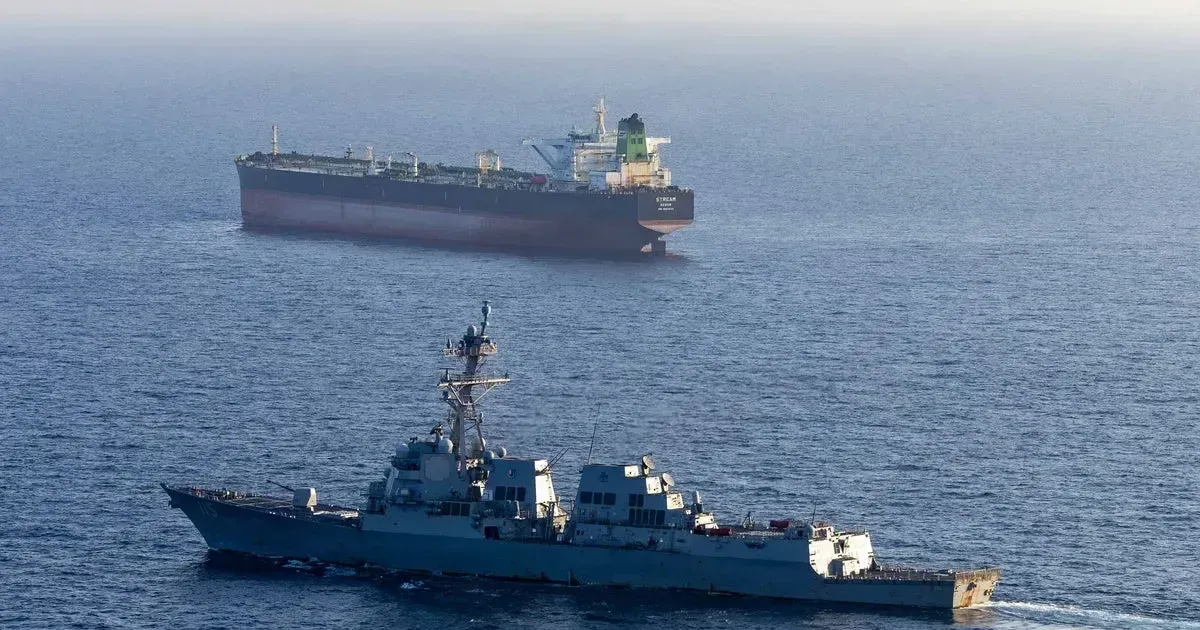
The Hormuz dispute is adding pressure to an already fragile summit backdrop. Tehran officials asserted absolute control over the Strait of Hormuz while President Donald Trump and President Xi Jinping convened for a summit. The rejection keeps the summit from becoming a clean diplomatic reset. Iranian leadership issued the definitive statement on May 14, 2026, rejecting any international oversight of the waterway. The Iranian first vice president stated that the right to the shipping lane is established and the matter is closed. His comments emerged shortly after reports surfaced regarding a clandestine visit by Israeli Prime Minister Benjamin Netanyahu to the United Arab Emirates.
Tehran labeled the meeting an act of collusion aimed at destabilizing regional security. Maritime traffic now faces the risk of higher long-term costs. Officials in Iran outlined plans to increase revenue derived from the essential shipping route as global energy supplies stay volatile. Vice President J. D. Vance previously suggested that diplomatic progress was being made, yet Tehran maintains there is no place for retreat. Global gas and oil supplies have faced substantial disruption, leading to a scramble for alternative transit and energy sources.
Tehran Hardens Stance on Strategic Waterways
Iran maintains that the waterway is a sovereign asset rather than an international corridor. This shift toward aggressive monetization of the passage marks a departure from previous decades of uneasy cooperation. Iranian officials now demand higher fees for tankers passing through the chokepoint. They cite the need for enhanced maritime security and environmental protection as justification for the new tariff structure. Commercial shipping entities have expressed concern that these costs will be passed directly to consumers in the West.
Negotiators in Tehran dismissed Western complaints as interference in domestic affairs. The first vice president emphasized that Iran would not permit foreign entities to dictate the terms of its territorial waters. Military assets in the region have seen increased activity as Iran reinforces its coastal defenses. Analysts suggest that the refusal to negotiate is intended to strengthen Iran’s hand before any potential sanctions relief talks. Diplomacy, for now, remains secondary to domestic political survival in both capitals.
Conflict in the Persian Gulf has already reshaped global trade routes. Ships are increasingly opting for longer, more expensive journeys around the Cape of Good Hope to avoid the potential for detention or attack. Iranian authorities have warned that any attempt to bypass their jurisdiction will be met with a firm response. The revenue generated from the new transit fees is expected to fund broader infrastructure projects within the Iranian energy sector. Financial records from the Iranian Ministry of Petroleum indicate a desire to insulate the economy from further Western pressure.
Beijing Summit Offers Little Hope for De-escalation
Xi Jinping and Donald Trump met on Thursday in Beijing for a summit where expectations for a breakthrough stayed low. Both leaders face domestic pressure to maintain a tough stance on international security issues. Iran was a primary focus of the discussions, alongside trade, technology, and the status of Taiwan. Washington sought a commitment from Beijing to reduce its purchases of Iranian crude oil. China, however, continues to view Iran as a strategic partner in its energy security framework.
Reports from the summit indicate that the two presidents reached no substantive consensus on the Hormuz crisis. The US delegation emphasized the need for freedom of navigation, while the Chinese side called for a balanced approach that respects regional sovereignty. Trump argued that China’s economic support for Tehran emboldens the current maritime strategy. Xi countered by suggesting that US sanctions are the primary driver of regional instability. These conflicting narratives have left the international community with few avenues for immediate de-escalation.
Strategic competition between the two superpowers often complicates regional crises. China represents the largest buyer of Iranian energy, providing an essential lifeline for the Islamic Republic. This economic tie makes Beijing a reluctant participant in any Western-led pressure campaign. Washington remains committed to a policy of maximum deterrence, which Chinese officials view as a threat to global supply-chain stability. Both sides appear prepared for a prolonged period of diplomatic stalemate.
Energy Markets Pivot Toward Renewable Infrastructure
Asian consumers are shifting toward rooftop solar power as fuel costs soar. The ongoing war and maritime blockades have pushed the price of traditional energy to unsustainable levels. Hard-hit nations in Asia are now looking toward China as the primary provider of renewable technology. The transition is driven by national economic security as well as environmental concerns. China’s dominance in the solar value chain provides it with substantial leverage over the region’s energy future.
’Countries don’t need to be independent in the whole value chain,’ according to Professor Maria-Eugenia Sanin of Université Paris-Est Créteil.
Professor Sanin argued that reliance on China for renewables is a pragmatic response to the volatility of fossil fuels. She noted that while total independence is difficult, diversifying energy sources reduces the impact of localized conflicts. Asian markets are investing heavily in localized solar grids to protect against future price shocks. The shift threatens the long-term relevance of the oil-based economies in the Middle East. Solar technology sales in Asia have reached record highs since the start of the year.
Energy-hungry nations are accelerating their move away from imported gas. The instability in the Gulf has proven that reliance on a single geographic chokepoint is a structural risk. Chinese manufacturers are expanding their production capacity to meet the surging demand for affordable renewable hardware. While the transition will take years, the current conflict has shortened the timeline for several major Asian economies. Renewable infrastructure is now seen as the only viable path toward long-term price stability.
Hormuz Exposes the Split Between US Security and China’s Energy Strategy
Escalating maritime friction in the Persian Gulf threatens to decouple Western security interests from Beijing’s long-term energy strategy. While Washington views the Strait of Hormuz as a global common that must remain open, Tehran’s shift toward aggressive monetization and territorial permanence suggests a new phase of economic warfare. The strategy utilizes the waterway not just as a buffer, but as a primary revenue generator to offset Western sanctions. China’s role in this dynamic is complex.
Beijing benefits from the regional instability by accelerating the dependence of Asian markets on Chinese renewable technology, yet it also relies on the oil flows that Iran is threatening to restrict. The summit between Trump and Xi likely yielded little because their interests in the Gulf have fundamentally diverged. For the United States, the priority is maintaining the status quo of global energy movement. For China, the priority is securing a transition where its own technological dominance provides a hedge against maritime blockades. The collision of these two visions will likely define the next decade of Middle Eastern geopolitics.
Security in the Strait is no longer a localized issue of naval patrols.