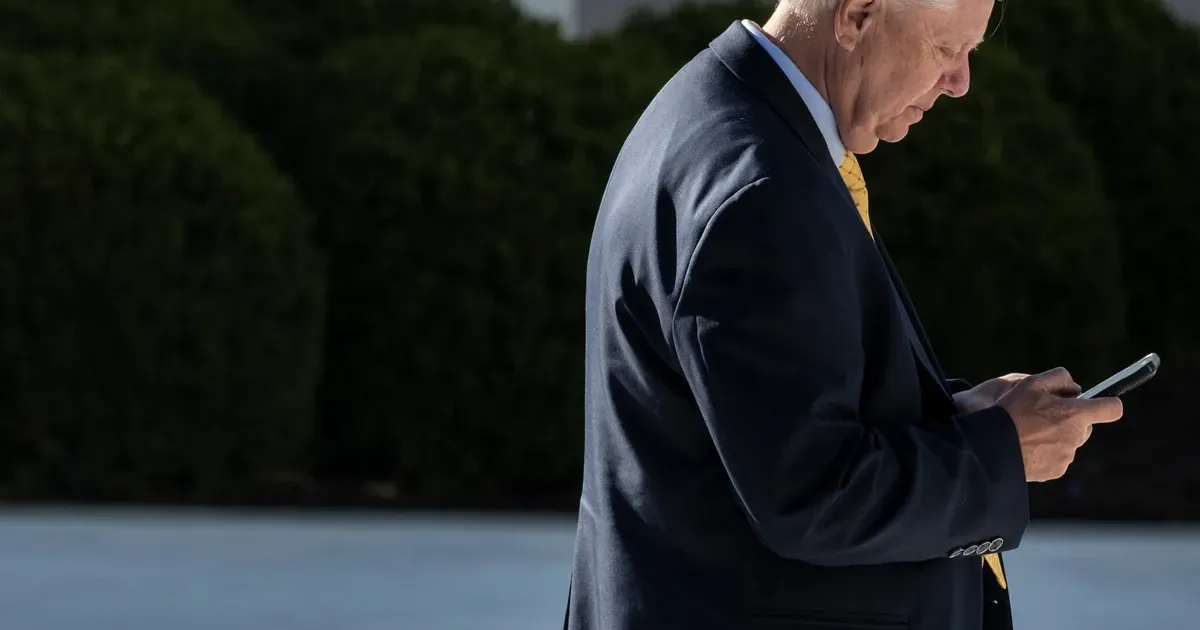
TMZ did not solve the Department of Homeland Security shutdown. It changed the way the shutdown looked. By asking the public to send in sightings of lawmakers on recess and then publishing photos from places such as Disney World and Las Vegas, the outlet turned a funding fight into a simple visual contrast: Congress away from Washington, DHS workers and travelers stuck with the consequences.
The visual contrast mattered because shutdown politics usually live inside procedure. Lawmakers argue over appropriations, immigration enforcement, reform demands, Senate thresholds and leadership calendars. Most voters encounter the issue through paychecks, airport lines, border delays and news photos. TMZ understood that gap. It treated members of Congress the way it treats celebrities: public figures whose whereabouts become part of the story when the public is angry.
The Shutdown Needed an Image
The DHS funding lapse had already carried serious stakes. Large parts of the department include employees whose jobs are considered essential, meaning many still had to report while pay was delayed or uncertain. TSA screeners, Coast Guard personnel, FEMA workers, Secret Service staff and other front-line employees do not disappear because Congress misses a deadline.
But a long shutdown can become background noise until one image gives it a sharper target. A senator in a theme-park line or a representative at a leisure destination is easier to process than a failed cloture vote. The image does not explain the whole shutdown. It does explain why the public mood hardened.
TMZ Used Celebrity Tactics on Congress
TMZ's move worked because it broke Washington's usual media rhythm. Traditional political coverage tends to quote leaders, count votes and assign blame through legislative steps. TMZ skipped much of that and focused on presence. Who was in Washington? Who was away? Who was defending the trip?
The tactic was crude in places, and critics were right to note that a congressional recess is not automatically a vacation. Members may visit family, work in districts, attend events or follow a schedule set by leadership. Still, the format was powerful because shutdown accountability is partly symbolic. When a federal agency is unfunded, absence becomes a message even if the legislative explanation is more complicated.
Workers Paid the Price First
The people most exposed to a shutdown rarely control the fight. Some employees are furloughed. Others continue working with pay delayed. Families still face rent, groceries, debt payments and child-care costs. Morale suffers even when back pay is expected later because the household shock arrives immediately.
DHS is especially sensitive because the public sees its work. Airport screening, disaster response, border operations, protective services and immigration enforcement all sit close to daily life or national-security politics. Any disruption, even a partial one, becomes visible quickly. The visible work made the lawmaker photos more damaging. They placed congressional comfort beside worker uncertainty.
Both Parties Were Vulnerable
The tabloid format also complicated partisan defenses. TMZ and follow-on coverage named lawmakers from both parties. Some members said they had voted to fund the government. Others said leadership had sent the House home, that they were visiting family or that negotiations were not happening on the floor. Those answers could be true in individual cases and still fail politically.
Shutdown blame is rarely absorbed through footnotes. Voters see a closed agency, missed pay, travel stress and elected officials away from the Capitol. Once the story is framed that way, each party can accuse the other of causing the impasse, but neither can easily defend the picture.
Optics Started Driving Procedure
The recess image creates a practical danger for congressional leaders. A recess calendar can make sense inside Washington and still become impossible to defend outside it. Once vacation images dominate the story, pressure grows to call members back, stage visible negotiations or at least make the work more public.
TMZ did not need deep appropriations expertise to change incentives. It needed photographs, names and timing. In a media environment built around clips and feeds, the photographs were enough. The outlet made legislative absence visible, and visible absence can become a political fact before a policy memo catches up.
The Real Damage Was Trust
The institutional lesson is that Congress lost control of the frame. Members could still argue over DHS funding, ICE oversight, border policy and reform demands. What they could not do was make the public ignore the contrast between unpaid or strained workers and lawmakers seen away from Washington.
The trust failure does not mean every photographed trip was irresponsible. It means the institution had already burned through too much trust. When voters believe Congress is insulated from the consequences it creates, even a legally scheduled recess can look like abandonment. TMZ put that distrust on camera, and the shutdown became harder to explain as ordinary process.