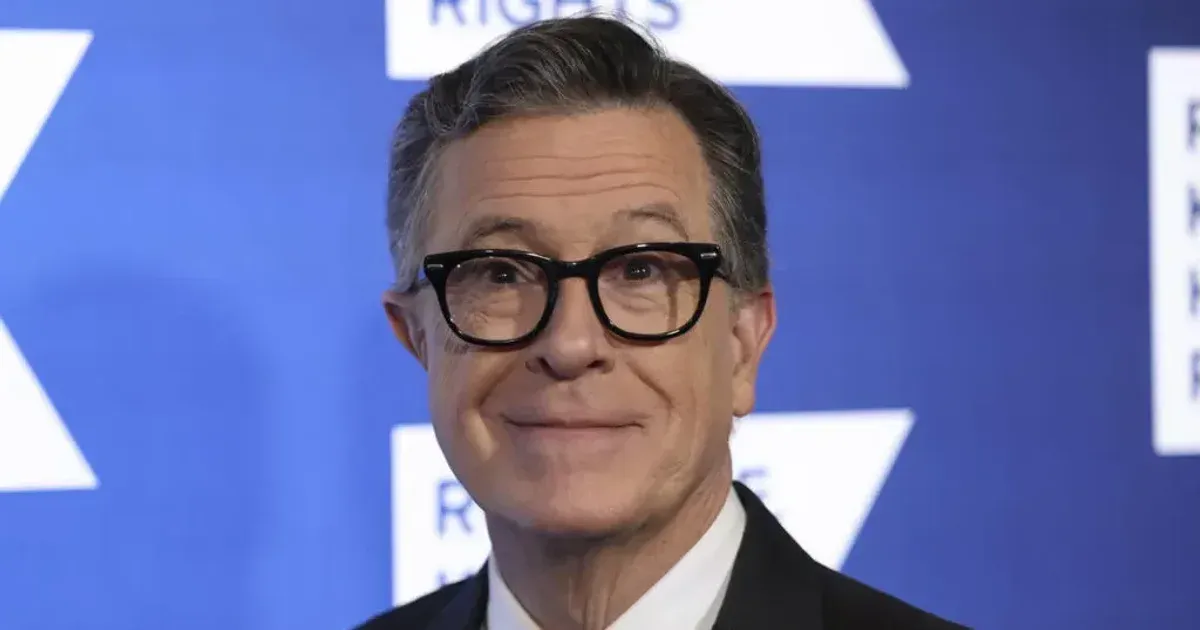
Stephen Colbert closed his final Late Show broadcast with a send-off that mixed musical celebration and media-industry unease. The finale was staged as a cultural farewell rather than a routine programming exit. It aired on May 22, 2026, ending a run that made the CBS program one of the most visible platforms for political satire in American television.
CBS framed the cancellation as a programming decision, but the timing has drawn scrutiny because Donald Trump had repeatedly attacked Colbert and then celebrated the host's departure. The controversy now sits at the intersection of entertainment, corporate risk and political pressure on broadcasters. It also reflects a difficult moment for legacy late-night shows, which must compete with streaming clips, changing viewing habits and a political environment in which monologues can become corporate liabilities.
Final Broadcast Features Paul McCartney Send-Off
Paul McCartney helped anchor the final broadcast, giving the night the tone of a farewell concert as much as a talk-show finale. Guests and staff used the episode to mark Colbert's long tenure rather than turn the hour into another extended political monologue. The choice gave the program a warmer closing note while still leaving the circumstances of the cancellation unresolved. Staff members and longtime viewers treated the broadcast as a goodbye to an institution, not just to a host, because the program had become part of the nightly grammar of American political television.
The Ed Sullivan Theater audience treated the episode as a cultural event. Colbert's version of late night had become closely identified with Trump-era politics, and the end of the program therefore carried meaning beyond a single network schedule change. CBS did not announce a like-for-like successor during the farewell, leaving questions about what kind of show will occupy the slot next. That uncertainty matters for writers, producers and bookers whose work depends on whether the network keeps a topical comedy format or pivots toward a safer variety model.
Trump Celebrates a Late-Night Exit
Trump applauded the cancellation in a social media post soon after the final broadcast. He mocked Colbert's ratings, attacked his talent and argued that the program had lost its cultural force. The reaction made the story less about a routine entertainment cancellation and more about whether a sitting president can shape the incentives around political comedy.
"Thank goodness he is finally gone," Trump wrote in a post attacking Colbert after the show's final episode.
Media critics and press-freedom advocates have focused on the broader signal sent by the decision. A broadcaster can cancel any show for business reasons, and late-night economics have been under pressure for years. The optics change, however, when the target is a prominent critic of the White House and the president publicly celebrates the outcome. That does not prove a direct order or a formal bargain; it does make the cancellation harder to separate from the political climate surrounding CBS. The distinction matters because the public debate is less about one personnel decision than about whether entertainment companies will self-censor when political conflict threatens business interests.
The network also faces the economic reality that late-night television is under pressure from streaming, fragmented audiences and changing advertiser priorities. Those pressures make political controversy more expensive because a show no longer has the broad, dependable audience base that once insulated late-night hosts from advertiser anxiety. CBS can therefore describe the decision as commercial while critics still read it as political caution. Colbert's exit may therefore reflect several forces at once: ratings concerns, corporate caution and a desire to lower the political temperature around a valuable broadcast brand.
CBS Must Decide Whether Political Satire Still Fits Broadcast TV
The end of Colbert's run narrows the space for mass-audience political satire at a moment when legacy television is already losing cultural reach. Late-night hosts have long operated as entertainers, but they also serve as a pressure valve for public frustration with power. When a major network steps back from that role, the effect is felt by viewers, advertisers and rival broadcasters. It also changes the incentives for younger comedians deciding whether television remains a place for direct political criticism or simply a platform for lighter celebrity conversation.
CBS now has to decide whether it wants a safer variety format, a less political host or a more dramatic reinvention of the time slot. The decision will be watched by performers, advertisers and rival networks trying to judge whether openly political comedy still has a reliable place on broadcast television. Each option carries risk. A softer program may reduce political conflict but alienate viewers who came to the show for sharp commentary. A more entertainment-first format may also struggle to produce the viral moments that late-night shows now need to compete online. The replacement decision will show whether CBS sees Colbert's exit as a one-off personnel change or as a broader retreat from confrontational satire. A direct replacement may keep the audience but invite the same pressure that defined Colbert's final months.