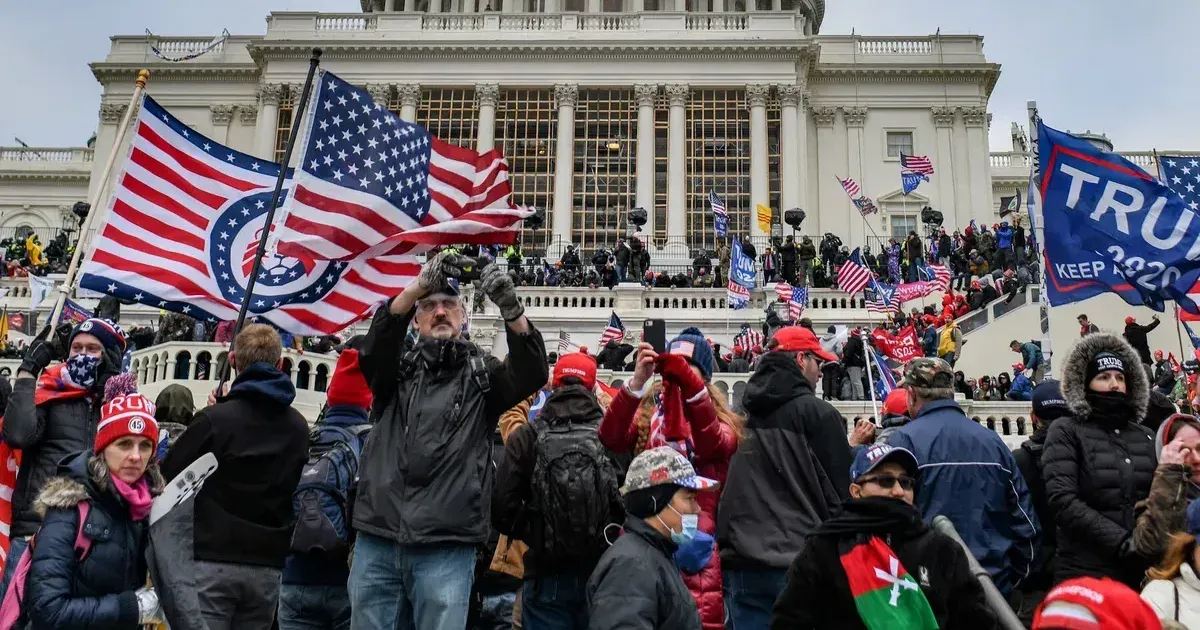
Donald Trump signaled a new phase in the fight over how the federal government treats people prosecuted after the January 6 Capitol riot. President Trump backed a compensation fund that could provide financial relief to people who claim they were targeted by prior federal investigations or prosecutions, including some defendants tied to the 2021 breach of the building. Official details regarding the administrative structure of this proposal emerged on May 20, 2026, as part of a broader push to reconcile the legal history of the event with current executive priorities. This move arrives as the administration seeks to redefine the legal standing of those once prosecuted by the Justice Department for their roles in the disturbance.
Financial restitution now follows the path of executive clemency as administrative staff began drafting the framework for these payouts after a series of high-profile pardons cleared the records of numerous participants. While initial reports focused on the clemency process, the transition toward possible government payment is a significant expansion of the administration's policy. Sources within the White House suggest the mechanism for these disbursements could rely on discretionary executive authorities rather than a new stand-alone act of Congress. Payments could reach individuals who were previously described by federal prosecutors as having ransacked the Capitol.
Federal Payments for Pardoned Defendants
Eligibility for the payouts will primarily target those who served prison time or faced substantial legal fees during their original prosecutions. Supporters of the measure argue these individuals were victims of a politically motivated justice system that overstepped its bounds. By contrast, legal analysts point out that using taxpayer money to reimburse individuals for actions against the government they attacked creates a novel precedent in American law. Such a program would effectively transform former criminal defendants into recipients of federal aid.
"People who assaulted police officers that day should not receive taxpayer compensation," Mike Pence said while criticizing the plan.
Initial assessments suggest thousands of claimants could qualify for the relief. Rioters who spent years in federal custody expressed elation at the prospect of receiving thousands of dollars in restitution. Nearly 1,200 defendants have been charged since the events at the Capitol, and many of those remaining in the legal system view the fund as a form of vindication. Some individuals have already begun organizing collective legal representation to streamline their applications for the fund. Others see the money as a way to recover assets lost during lengthy court battles in Washington.
Discussions regarding the source of the capital for these payments remain ongoing within the Office of Management and Budget. Officials are exploring various accounts that might provide the necessary liquidity without requiring a specific act of Congress. Opponents in the legislative branch have already vowed to challenge any attempt to divert funds from existing agency budgets for this purpose. Instead, the administration may look toward contingency funds typically reserved for emergency response or administrative shortfalls.
Redefining the Capitol Breach Consequences
Critics describe the compensation fund as a sharp reversal in the national narrative surrounding the events at the Capitol. The latest initiative is part of an explicit effort by the President to rewrite the history of January 6. While the previous administration characterized the actions as an insurrection, current White House interpretations focus on the perceived lack of due process and the severity of the sentences handed down by federal judges. This divergence in historical perspective now has real financial stakes for those who were once considered outlaws by the state.
Court filings from recent years show a wide disparity in the sentences handed down to January 6 defendants. The new fund seeks to normalize these outcomes by providing a flat-rate payment or a tiered reimbursement system based on time served. Records indicate that the criteria for payment will include both misdemeanor and felony convictions, provided the individual has received a full presidential pardon. Draft criteria would tie financial benefits directly to the executive power of clemency.
Public reaction remains sharply divided along partisan lines as the plan moves forward. Legal challenges are expected to focus on the legality of using executive orders to distribute funds for what many call a non-standard government purpose. Proponents, meanwhile, see the payouts as a necessary step toward national healing and the correction of past judicial errors. The shift in policy has already triggered debates regarding the ethical implications of rewarding individuals who breached federal property.
Implementation of any payouts could begin within the current fiscal year if the administration clears legal and budgetary challenges. Final execution would still face potential injunctions from federal courts. Agencies involved in the distribution have been instructed to prepare for a high volume of claims as soon as the portal opens.