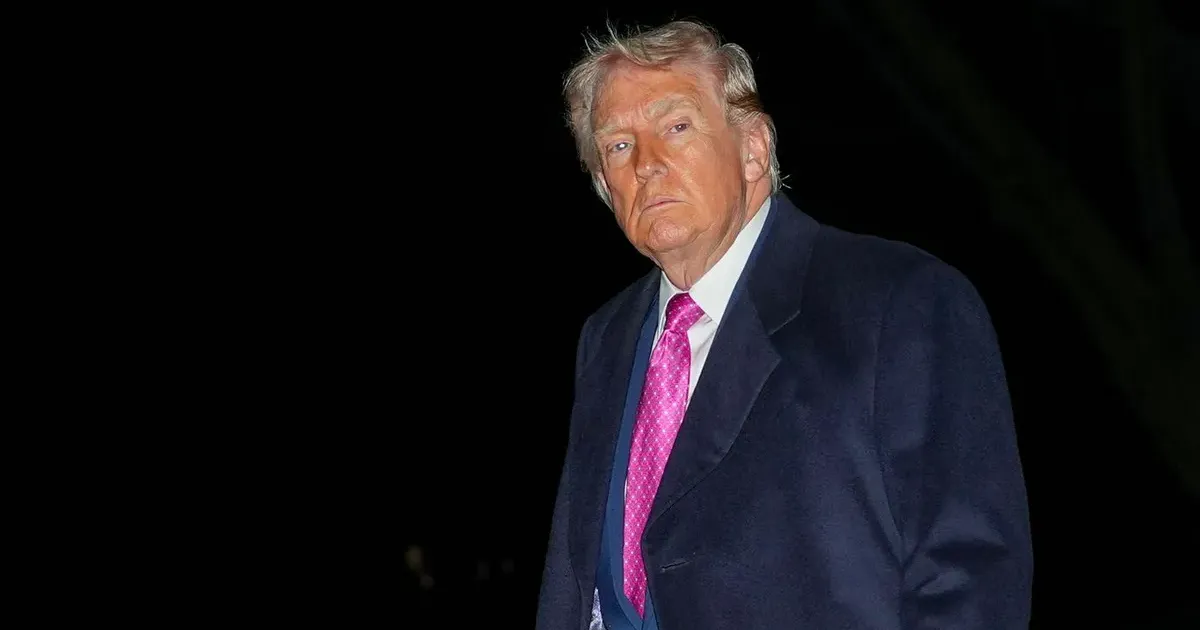
President Donald Trump's threat to destroy Iranian power, energy and desalination facilities raised a different kind of alarm from an ordinary military warning. Some infrastructure can support military operations. Some of the same infrastructure also keeps hospitals running, water moving, food cold and civilians alive.
The overlap puts humanitarian law at the center of the warning. The legal issue is not whether Iran's conduct can be pressured. The issue is whether the threatened target set preserves the distinction between military necessity and civilian punishment.
Civilian Infrastructure Is Not One Category
AP and other outlets reported that Trump threatened widespread destruction of Iranian energy resources and other vital infrastructure, including desalination plants, if a deal was not reached. The inclusion of water-related systems is what made the warning especially sensitive.
Power plants, refineries, pipelines and desalination facilities do not carry the same legal and humanitarian profile. A facility directly supporting military operations may be analyzed differently from a system primarily supplying drinking water. Broad political language can erase those distinctions before lawyers, commanders and allies have made them.
The Core Tests Are Distinction And Proportionality
International humanitarian law does not treat every infrastructure strike as unlawful. It does require distinction, proportionality and precautions. Commanders have to identify a military objective, assess expected civilian harm and take feasible steps to reduce that harm.
The analysis is difficult enough in war. It becomes harder when public rhetoric sounds like a threat to punish a state by breaking systems its population needs. Hospitals, water pumps, sanitation networks, food storage and communications can all depend on electricity. A strike aimed at pressure can produce civilian effects long after the explosion.
Desalination Carries A Special Warning
Desalination is not just another utility in a dry region. It can be a direct path from infrastructure damage to drinking-water insecurity. If a strike disrupts treatment, pumping or power supply, the humanitarian consequence may arrive quickly and spread beyond the original target.
Casual bargaining language around water systems is dangerous. Even if military planners never intend to hit a particular plant, the public threat changes how the campaign is heard. Iran can use it to argue that Washington is targeting ordinary life, and aid agencies and allies will take the claim seriously enough to ask for target discipline.
Rhetoric Can Become Part Of The Legal Record
Public statements do not automatically prove an unlawful strike. They can, however, become evidence when outside lawyers, investigators, courts or allied governments examine intent. A government that says it follows the law of armed conflict should avoid language that makes future targeting look like coercion against civilians.
The rhetoric also matters for operational reasons. Commanders need clean legal guidance, not political slogans that blur the target list. If the public message is wider than the lawful target set, the administration creates confusion for allies and propaganda value for Tehran.
Allied Support Depends On Target Discipline
European and Gulf partners may back pressure on Iran while still rejecting threats that appear to endanger civilian life-support systems. A coalition can defend strikes on military assets more easily than threats against water or power networks used by the population.
Infrastructure threats may sound strong while weakening the strategic case. They frighten markets, unsettle allies and give Iran an argument that the United States is drifting from military pressure toward civilian coercion. If Washington wants to keep legitimacy, the line has to be visible before any strike, not explained after the damage is done.
None of this excuses Iranian threats or attacks. It means the response has to preserve the legal distinction the United States says it defends. Water systems should never become casual leverage language. Once they do, the warning itself becomes part of the conflict.