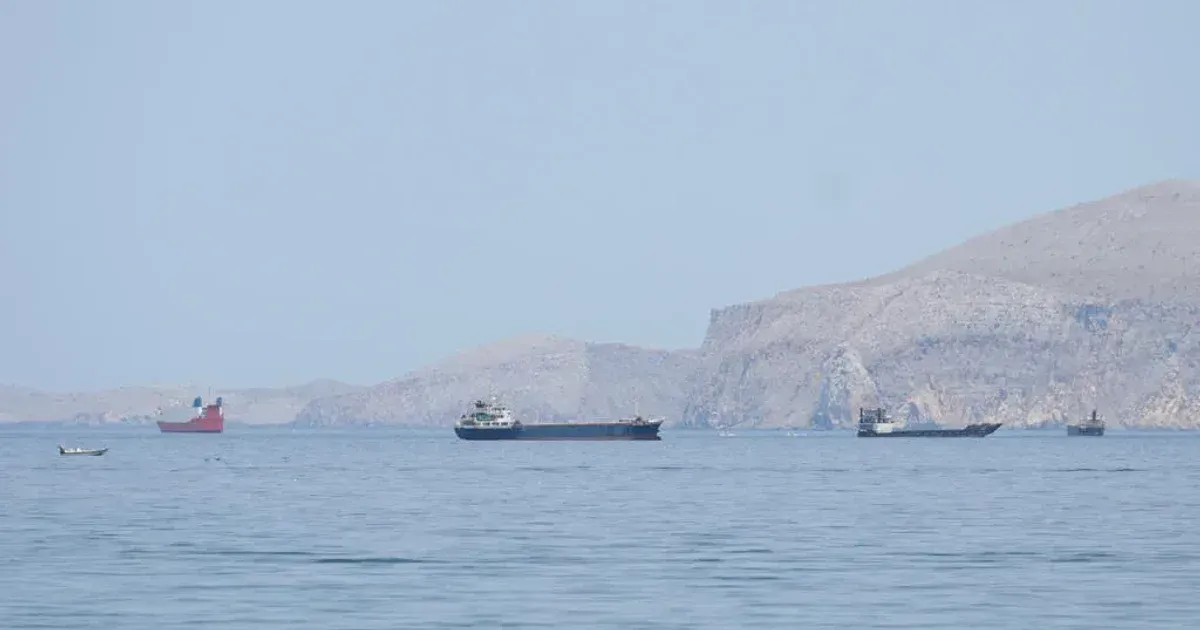
Project Freedom shifts the Hormuz crisis from pressure campaign to naval escort mission. The order changes the risk calculation for merchant ships, insurers and regional militaries. It also gives Iran a new target for diplomatic accusations. Washington is presenting the move as protection, while Tehran calls it escalation. President Donald Trump ordered the United States Navy to begin escorting merchant vessels through the Strait of Hormuz. This initiative, labeled Project Freedom, entered its operational phase on May 4, 2026, according to statements from the administration. Iranian officials responded with immediate condemnation, labeling the naval presence a direct violation of a three-week-old ceasefire. Military planners in Washington designed the operation to assist stranded third-country vessels that have remained immobile since the onset of the maritime crisis. These ships have faced major delays as diplomatic efforts failed to provide clear passage through the narrow waterway.
The tension escalated further overnight when small boats reportedly targeted a bulk carrier near the coast. Times of India reported the crew of the vessel remained safe, though the incident highlighted the unstable nature of the current maritime corridor. US forces will now support merchant tankers and cargo carriers seeking safer transit through the waterway. White House officials confirmed the process would prioritize vessels from nations not directly involved in the regional dispute. President Trump issued the directive on Sunday evening, signaling a shift toward more assertive naval protection for global trade routes.
"This process, Project Freedom, will begin Monday morning, Middle East time," President Donald Trump stated in a social media announcement.
Project Freedom Escort Operations
Naval operations began early Monday morning as American forces prepared to support civilian cargo ships seeking transit. Project Freedom focuses on moving dozens of vessels that were effectively trapped when the initial hostilities began. This strategy involves creating a protective corridor for ships to navigate the strait without fear of seizure or harassment. Officials in Tehran maintain that any US military activity within the strait constitutes interference in regional affairs. Iranian officials and allied outlets have framed the mission as a breach of the standing ceasefire agreements. Iranian authorities previously suggested that the waterway would remain open only if foreign military presence remained minimal.
Regional maritime trackers observed several US Navy assets moving toward the mouth of the Persian Gulf over the last twenty-four hours. These assets include guided-missile destroyers capable of intercepting small-craft threats. Intelligence reports suggest that the counter-blockade enforced by the US against Iranian ports has restricted the movement of Iranian goods. Washington argues these measures are necessary to prevent the transport of advanced weaponry. Iranian leadership views the counter-blockade as an act of economic warfare that undermines the spirit of the three-week truce. The situation remains volatile as both sides interpret the terms of the ceasefire differently.
Security Standoff and Maritime Attacks
Attacks on merchant shipping continued to plague the region despite the diplomatic efforts to maintain peace. Small boats reportedly approached and attacked a bulk carrier near the coastline on the evening of May 3, 2026. Public reports did not immediately establish the full chain of command behind the incident. No environmental damage occurred during the strike, and the vessel was able to continue its journey after a brief assessment of the hull. United States officials cited this specific incident as a primary justification for the rapid deployment of Project Freedom. Providing military support is now presented by Washington as a way to reduce further disruptions to regional shipping.
Cargo companies expressed relief at the prospect of naval protection but voiced concerns over potential crossfire. Many shipping lines have diverted their fleets around the Cape of Good Hope to avoid the Strait of Hormuz entirely. The diversion has added weeks to delivery times and sharply increased maritime insurance premiums. Project Freedom aims to reduce these costs by restoring confidence in the safety of the Middle Eastern transit routes. Military analysts suggest that the success of the mission depends on Iran's willingness to tolerate American ships operating so close to its borders. Tehran has historically used small-boat tactics to harass larger vessels in these congested waters.
The Fragile Nature of the Ceasefire
Diplomatic channels between Washington and Tehran are currently strained as both capitals trade accusations of aggression. The ceasefire, which is now in its third week, was intended to provide a window for wide-ranging peace talks. Instead, the focus has shifted toward military positioning and the enforcement of the counter-blockade. Al Jazeera reported that the Iranian government has officially protested the US mission to the United Nations Security Council. They argue that the United States is using the escort mission as a pretext to establish a permanent military foothold in the strait. US diplomats counter that the protection of free navigation is a fundamental right under international law.
Marine traffic data indicates that over 100 ships are currently awaiting passage or are seeking shelter in nearby ports. Project Freedom will likely take several weeks to clear the current backlog of stranded vessels. Each escort mission requires careful coordination with regional allies to avoid accidental engagements with local coast guards. Failure to maintain the ceasefire could lead to a broader regional conflict that would immediately impact global energy prices. Energy markets have already shown signs of volatility in response to the overnight attack on the bulk carrier. Crude oil prices fluctuated as traders assessed the risk of a full-scale resumption of hostilities in the Persian Gulf.
Project Freedom Puts Civilian Shipping Inside a Military Standoff
Naval escort missions in confined waterways like the Strait of Hormuz carry inherent tactical dangers that often outweigh the benefits of maritime protection. The proximity of Iranian coastal batteries and swarming small-boat units forces US destroyers into a high-readiness posture where the margin for error is razor-thin. Any accidental engagement or misinterpretation of intent could serve as the catalyst for a rapid escalation beyond the maritime theater. Project Freedom could make merchant vessels appear more closely tied to military activity, raising the risk of misinterpretation around civilian traffic.
The current counter-blockade further complicates the security environment by encouraging Iranian forces to seek asymmetric leverage. If Tehran views its own trade as constrained by US naval presence, it may seek leverage through pressure on third-country shipping. The dynamic could create a cycle in which escort missions and harassment reinforce each other, weakening the three-week ceasefire. The risk of a miscalculation in the coming days remains elevated as the first convoys enter contested transit lanes.