Donald Trump stated that the United States is nearing a major agreement with Iran to resolve enduring maritime and nuclear tensions. The signal from Washington kept both diplomacy and military planning alive at the same time. That ambiguity gives negotiators room to work while keeping Tehran under direct pressure. These comments, delivered on May 23, 2026, suggest a shift in diplomatic momentum toward a possible resolution after months of regional friction. While the president expressed optimism, his administration is simultaneously managing a high-profile cabinet resignation and preparing for potential combat operations.
Intelligence officials confirmed that current discussions center on reopening the Strait of Hormuz to international shipping. This corridor is a central point of contention because of its role in global energy markets and previous Iranian threats to block transit. Negotiators are currently reviewing a specific process that would allow for verified safe passage of commercial vessels through the waterway. Success in these talks would ease intense pressure on global oil prices and reduce the immediate risk of naval skirmishes.
Diplomacy appears to be operating on a dual track.
Tulsi Gabbard abruptly resigned as director of national intelligence on Friday. Her departure comes at a critical moment as the Pentagon prepares detailed plans for a fresh round of military strikes against Iranian targets. Sources familiar with the planning indicate that these strikes are intended to address recent provocations that occurred despite a technical ceasefire. The vacancy at the top of the intelligence community creates a leadership gap while these sensitive kinetic operations are being finalized.
Military planners are readying a response to what they describe as persistent threats to American assets in the region. These preparations continue even as diplomats from both sides signal that they are moving closer to a formal accord. The contrast between the president's rhetoric and the military's posture suggests a strategy of maximum pressure intended to force Iranian concessions during the final stages of the Hormuz negotiations.
Iranian officials signaled a willingness to negotiate while maintaining an aggressive military stance. Mohammad Bagher Ghalibaf, speaker of the Iranian parliament, declared that Tehran would not yield on its fundamental national rights. He emphasized that the Islamic Republic remains prepared for any outcome, indicating that the nation is ready for both dialogue and defense depending on how the United States proceeds.
Negotiating the Strait of Hormuz
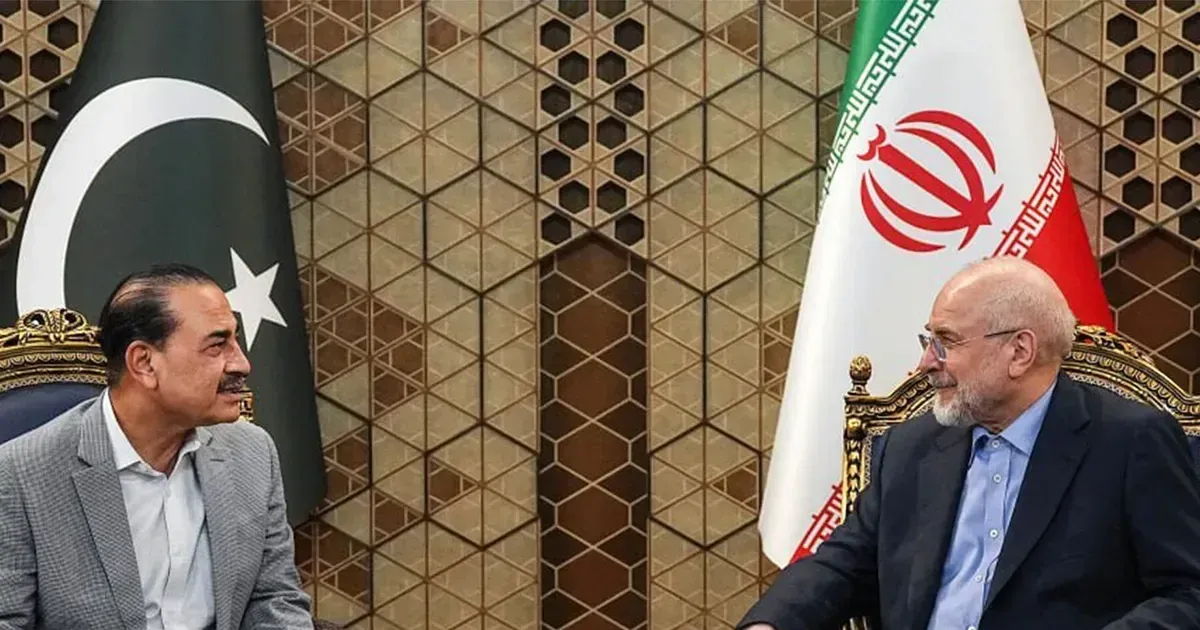
Iranian state media reported that Ghalibaf met with the Pakistani army chief in Tehran on Saturday. The presence of a high-level Pakistani delegation suggests that regional powers are attempting to mediate between Washington and Tehran to prevent a full-scale escalation. Pakistan has historically acted as a diplomatic conduit when direct communication between the two adversaries becomes politically impossible. Islamabad is particularly concerned about the spillover effects of a renewed conflict on its own western border.
Tehran will secure its legitimate rights, whether through the battlefield or through negotiations.
Negotiators in Washington are focused on a verifiable process for maritime security that prevents future blockades. The United States has demanded explicit guarantees that merchant vessels can pass without interference from the Iranian Revolutionary Guard. Iranian negotiators, however, have countered with demands for the lifting of specific economic sanctions that have crippled their domestic industry. Neither side has confirmed which of these demands has been met in the current draft of the agreement.
Skepticism persists among international observers regarding the honesty of the negotiating parties. Ghalibaf explicitly accused the Trump administration of being an unreliable partner in previous diplomatic efforts during his meeting with Pakistani officials. He noted that Iran will not compromise on what it perceives as its sovereign rights to nuclear development and regional defense. This rhetoric highlights the fragile nature of the current ceasefire and the high stakes of the ongoing talks.
Conflict remains a distinct possibility if talks stall.
Cabinet Instability and Strike Planning
Market analysts are monitoring the situation for impacts on crude oil volatility. Any disruption to the Strait of Hormuz typically results in immediate price spikes across global exchanges. The possibility of a deal has kept prices relatively stable over the last 24 hours, but the threat of renewed military strikes keeps a high-risk premium in place. Traders are awaiting a definitive sign that the administration will prioritize the accord over kinetic intervention.
General Asim Munir, the Pakistani army chief, urged both parties to exercise restraint during his visit to the Iranian capital. His involvement highlights the diplomatic flurry occurring across the Middle East as nations brace for the possibility of renewed fighting. Regional stabilizers fear that a failure in the current round of talks would lead to a prolonged period of instability that could involve multiple state actors and non-state militias.
Tulsi Gabbard had been a central figure in the administration's intelligence strategy since her confirmation. Her resignation leaves the Office of the Director of National Intelligence without a permanent lead as the administration debates the merits of a pre-emptive strike. Some officials inside the Pentagon have expressed concern that a strike could jeopardize the progress made in the maritime talks. The timing of her exit suggests internal disagreements over the direction of Middle Eastern policy.
Regional observers note that the next 48 hours will be decisive for the survival of the ceasefire. If the United States proceeds with the planned strikes, the diplomatic channel is likely to close immediately. By contrast, if a deal on the Strait of Hormuz is finalized, the administration may delay or cancel the military response in favor of long-term stability. The White House has not yet commented on the specific timeline for a final decision on the agreement.
Gabbard Vacancy Raises the Cost of a Failed Hormuz Deal
The sudden vacancy at the top of the United States intelligence community creates a significant leadership gap during a period of high alert. Tulsi Gabbard provided a specific ideological alignment for the administration, and her exit suggests internal friction regarding the planned strikes. Security protocols often require a confirmed director to oversee the synthesis of threat assessments before a major kinetic operation. Without that oversight, the risk of miscalculation between the Pentagon and the White House increases sharply.
The military preparations described by sources suggest that the administration is leveraging the threat of force to extract concessions in the maritime talks. If Iran perceives these threats as a precursor to regime destabilization rather than a tactical bargaining chip, the ceasefire could collapse within hours. Regional partners like Pakistan are clearly worried about the spillover effects of a renewed hot war. Their involvement indicates that the diplomatic channel is not purely bilateral but relies on a complex web of regional stabilizers who fear the economic and security consequences of a closed maritime corridor.