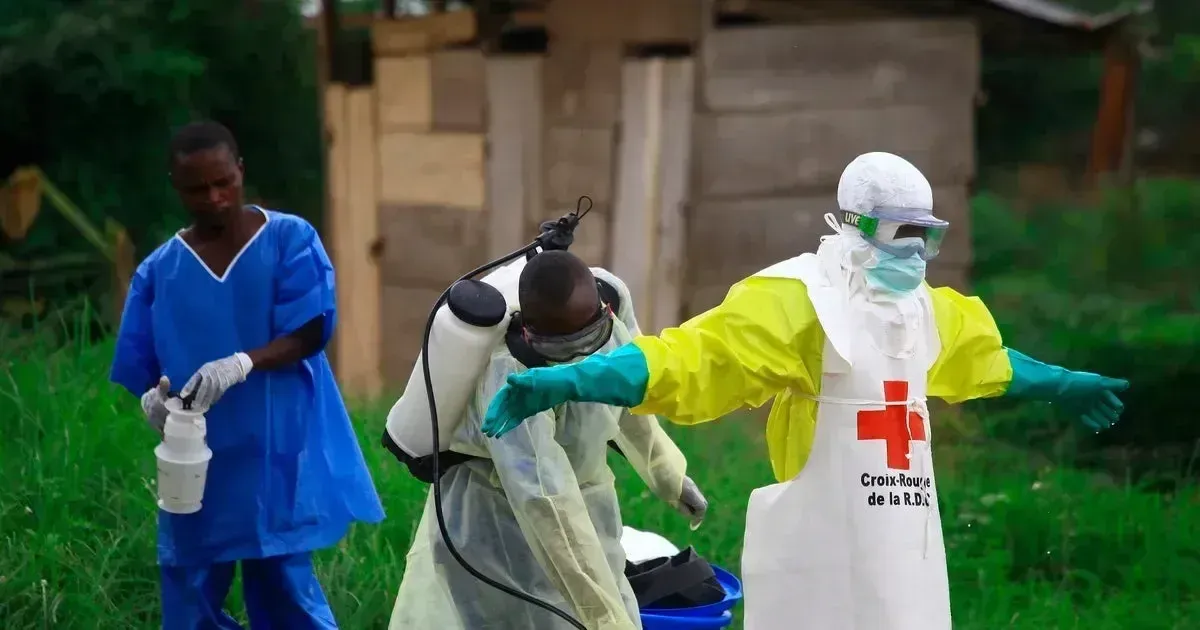
Health workers in the Democratic Republic of Congo fled for safety after a mob attacked an essential medical facility. The clinic attack turned a health emergency into a security and trust crisis. Aid reductions now matter because local responders have fewer buffers when community resistance turns violent. The incident occurred on May 21, 2026, in the Ituri province, where local residents torched the treatment center following a heated confrontation over burial protocols. Violence erupted after health teams attempted to enforce safe burial practices designed to limit the spread of the Ebola virus, which often transmits through contact with deceased victims.
Ituri province has long struggled with medical distrust and localized conflict. Medical personnel reported that the destruction of the facility has halted screening and isolation efforts in a region where the virus was already spreading under the radar. Community leaders claimed the burial disputes centered on religious and cultural traditions that the international medical response failed to accommodate. These tensions have historically plagued efforts to contain viral hemorrhagic fevers in central Africa.
Uganda recently reported cases linked to the same strain, signaling a cross-border crisis that health experts admit went undetected for months. Neighboring nations are now on high alert as the viral footprint expands across porous borders. Uganda and the Democratic Republic of Congo are currently struggling to deploy limited resources to track the chain of transmission. Detection delays are being attributed to a lack of decentralized laboratories and community surveillance teams.
Regional reporting described the attack as a burial-dispute confrontation that exposed the practical difficulty of containing Ebola in communities where trust in health authorities is fragile.
Washington analysts are currently debating whether a reduction in American financial support directly contributed to this surveillance failure. DW News reported that US aid cuts to global health programs may have contributed to the delayed detection of the current outbreak. These budget reductions affected field training for local health monitors who serve as the first line of defense against emerging pathogens. Critics of the cuts argue that removing resources from regional hubs leaves the global community vulnerable to unmonitored outbreaks.
Budgetary shifts at the US Agency for International Development have specifically targeted funding for rural health infrastructure. Without these funds, many local clinics lost the ability to maintain cold-chain storage and diagnostic kits. The lack of early diagnostic capacity allowed the virus to circulate within families for weeks before formal notification reached the World Health Organization. Authorities in Kampala have requested emergency assistance to prevent the virus from reaching the capital city.
Medical teams in Congo face a dual threat from both the virus and armed resistance. Security in Ituri has deteriorated, making it nearly impossible for doctors to reach isolated villages without military escort. This militarized approach to public health often deepens local suspicion, leading to the type of arson seen at the treatment center this week. Surveillance data indicates that dozens of contacts may have vanished into the forest following the attack on the facility.
Containment efforts now require a rapid influx of personnel and funding to stabilize the border regions. International health agencies are calling for a temporary restoration of funding to bridge the gap created by recent policy shifts. Current projections suggest the virus could reach major transit hubs if the initial response remains fragmented. Ugandan health officials confirmed that three separate districts are now reporting active cases.
Burial Disputes Spark Violence in Ituri
Cultural sensitivity continues to be a trigger point for international aid workers operating in central Africa. Families in the Democratic Republic of Congo view the safe burial teams as intrusive, especially when traditional rituals are bypassed to ensure biosafety. The destruction of the treatment center in Ituri is a direct consequence of this cultural friction. Medical teams are now reconsidering their engagement strategies to avoid further clashes with local populations.
Resource shortages have left teams without the proper equipment to conduct community outreach. When communication fails, misinformation fills the void, often leading to the belief that foreign medical teams are bringing the disease into the community. Recovery efforts at the torched site are currently on hold until the Congolese military can secure the perimeter. Local administrators warned that without a medical presence, the fatality rate in Ituri will likely climb sharply.
Delayed Response Links to US Aid Reductions
Funding for the Global Health Security Agenda faced severe rollbacks in recent fiscal cycles. These reductions primarily targeted the training of rapid response teams in Uganda and the Democratic Republic of Congo. Experts say the months-long delay in identifying the Ebola outbreak is linked to these diminished capabilities. Previous outbreaks were caught more quickly because surveillance networks had trained staff closer to the affected communities.
Washington legislators are facing pressure to reconsider the impact of aid cuts on national security. A viral outbreak in Central Africa is no longer a localized event at a time of global travel and interconnected markets. Security officials have noted that the cost of containing an established epidemic far outweighs the initial investment in prevention. The current situation in Ituri is a case study for the risks associated with withdrawing health support from volatile regions.
Cross-Border Spread Exposes the Cost of Lost Surveillance
The resurgence of Ebola in a conflict zone creates a unique set of security risks for the entire East African corridor. When health infrastructure collapses due to violence or lack of funding, the resulting vacuum allows infectious diseases to cross international borders with ease. Uganda is particularly vulnerable given the high volume of trade and refugee movement from the Democratic Republic of Congo. This crisis demonstrates that medical surveillance is a component of regional stability that cannot be easily separated from military or economic aid.
If the US continues to reduce its footprint in global health, regional powers must find alternative ways to fund these critical security networks. Failure to address the funding gap now could lead to a protracted health crisis that destabilizes local economies and requires a more expensive international intervention later. The Ituri incident is a specific failure of trust, but the broader crisis is a failure of sustained institutional support. National governments in the region lack the fiscal space to replace US funding on short notice.
The burden of containment will likely fall on the World Health Organization and its limited emergency reserves unless donor governments rebuild the surveillance capacity that was lost.