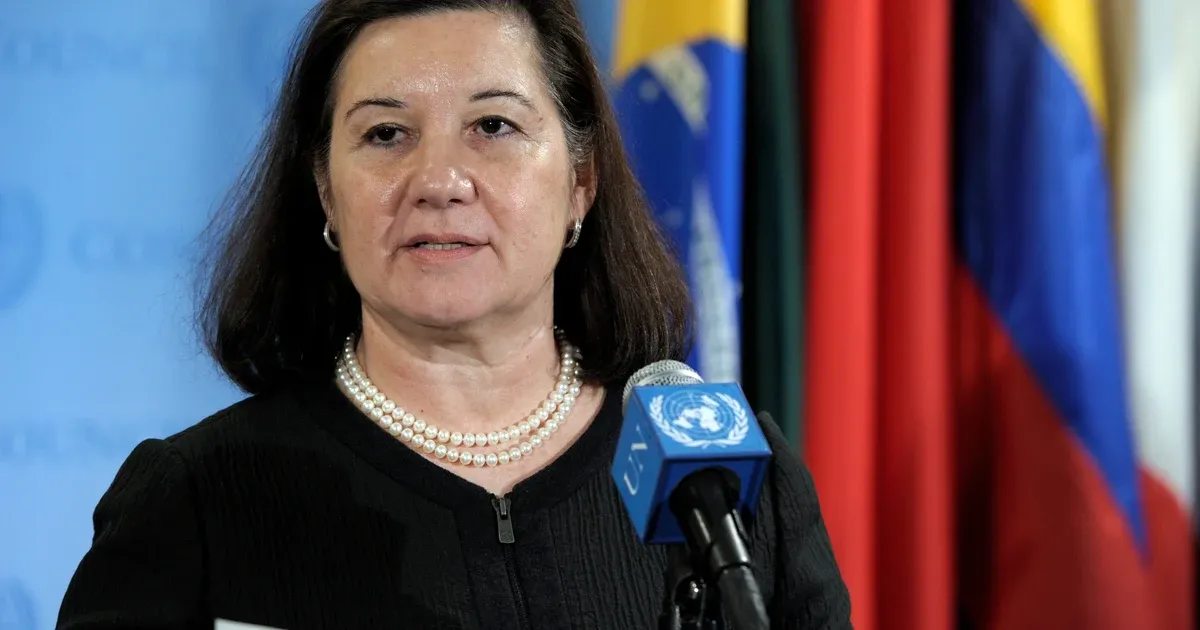
Washington has revoked the U.S. visa of Brazil's ambassador, converting a delayed appointment in Brasilia into a direct penalty against the senior Brazilian diplomat already posted in the United States. The State Department tied restoration of Maria Luiza Ribeiro Viotti's visa to Brazil granting formal approval for Daniel Perez, President Donald Trump's choice to become U.S. ambassador to Brazil.
The measure does not expel Viotti from the United States. The step was disclosed on August 4, 2026, after weeks of exchanges failed to settle the appointment. State Department officials told news organizations that Viotti may remain in the country, but G1 reported that she would need to obtain a new visa if she left and later sought to return. The distinction limits the immediate effect while placing the ambassador's ability to travel behind the same approval dispute that has kept Perez from taking up his post.
Brazil rejected Washington's explanation and said the move belonged to a broader series of hostile acts. Officials in Brasilia also objected to the public announcement of Perez's nomination before the confidential process used to seek a host country's consent had been completed. The Brazilian Foreign Ministry says the U.S. account of the impasse is false and that the nomination is still being examined through the country's diplomatic process.
Two Diplomatic Approvals Are Now Linked
The central procedure is diplomatic agrement, the host government's acceptance of a proposed ambassador. Trump announced Perez on June 1, according to G1. A U.S. Senate committee has since approved the nomination, but the full Senate still must act. Brazil, meanwhile, has not granted the approval needed for him to serve in Brasilia. Washington says Brazilian officials have signaled that a decision may not come until after the October presidential election.
Perez, 38, has been the Florida House speaker since 2024. Secretary of State Marco Rubio is among his political allies. The son of Cuban immigrants, he would fill a post left vacant when the previous U.S. ambassador departed in January 2025. His nomination must clear both Washington's confirmation process and Brasilia's acceptance process before he can formally take charge of the embassy.
Brazil argues that international law sets no deadline for answering an agrement request and says the matter remains under review. It also says Washington broke diplomatic convention by naming Perez publicly before receiving consent. The State Department takes the opposite view: after repeated contacts, it says the delay and the absence of a definite answer justify reciprocal pressure.
The reciprocity argument extends beyond Perez. On July 24, Brazil refused visas for two State Department officials whose work covers democracy and human rights. Brazilian officials said the planned visit was connected to an effort to question the integrity of the country's voting system. Washington rejected that account and said their planned meetings would cover the voting process as well as religious and speech rights.
Those competing descriptions place the visa dispute inside Brazil's October election. President Luiz Inacio Lula da Silva is seeking another term, while Senator Flavio Bolsonaro, a son of former President Jair Bolsonaro, is running from the right. CBS and DW reported that the Trump administration views Brazil's handling of U.S. diplomats and Perez as obstructive; Brazil says the U.S. measures reveal improper interest in the vote.
The visa revocation is therefore reversible but not symbolic. Washington says Viotti's document can be restored promptly if Brazil accepts Perez. Brasilia can preserve its review of the nomination, but doing so now carries a defined cost for its own ambassador. Each government has made the other's diplomatic access conditional on movement in a separate but connected process.
The Next Decision Sits in Brasilia, but the Dispute Is Wider
The appointment fight follows other strains in the relationship. CBS reported that the United States imposed a 25% tariff on Brazilian imports in July, citing trade practices that included rules affecting U.S. technology platforms. G1 placed the tariff alongside the visa denials and Washington's designation of two Brazilian criminal organizations as foreign terrorist organizations. It also reported a separate 12.5% U.S. tariff applied to Brazil and other countries over alleged failures to combat forced labor. Lula and Trump had met twice before the latest deterioration, including a May 7 visit by the Brazilian president to Washington. The measures use different legal authorities, yet together they have narrowed the space for treating the envoy dispute as a routine personnel delay.
Three decisions can now change the immediate course. Brazil can grant or refuse agrement for Perez; the U.S. Senate can complete or halt his confirmation; and Washington can restore Viotti's visa or add further restrictions. None of the RSS reports said that Viotti had been declared persona non grata, and none reported a deadline for her departure. Describing the action as an expulsion would therefore overstate what has happened.
The practical test is whether the two governments separate diplomatic staffing from the election argument. If Brazil approves Perez, Washington has publicly committed itself to restoring Viotti's visa. If the approval remains pending, the conflict moves from a disagreement over convention to a continuing limit on official access. That would leave both capitals managing bilateral business while their senior representation is tied to a dispute neither side now presents as merely administrative.