Federal funding for President Donald Trump's proposed White House ballroom hit a procedural barrier in the Senate. The Senate rule-keeper said security money tied to the project could not remain in a fast-track spending package. The May 16, 2026, decision is a setback for Republicans who had sought to include the funding in a broader bill moving through budget reconciliation.
The BBC reported that the disputed money was part of a $1 billion security provision connected to an overhaul of the East Wing of the White House. Democrats argued that the funding did not belong in the reconciliation bill, which can pass the Senate without the usual 60-vote threshold. The ruling means the ballroom-related provision must be removed or pursued through another legislative route. It also narrows the immediate path for a project that has drawn attention because it combines presidential security, private donations and a highly visible change to the White House complex.
Reconciliation Rules Block Ballroom Funding
Budget reconciliation is designed for measures that directly affect federal spending or revenue. The Senate rule-keeper's decision found that the security money connected to the ballroom project did not fit within those limits. That procedural finding matters because it prevents Republicans from using a simple-majority path for this part of the package.
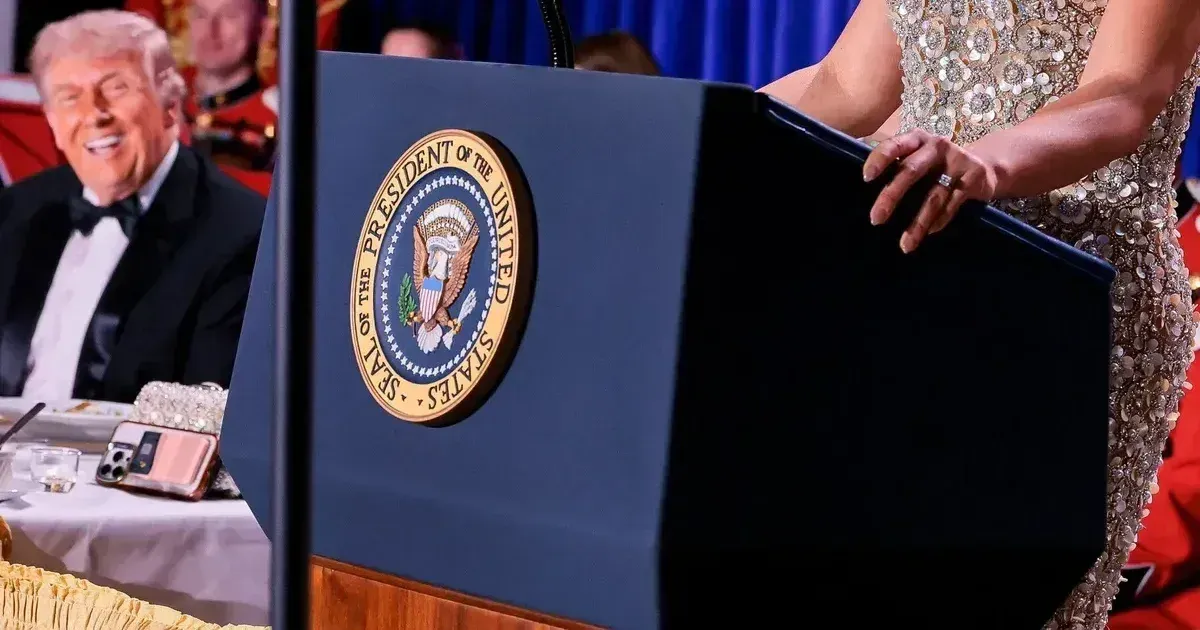
Trump has said private donors will fund the $400 million ballroom itself. The rejected Senate language concerned taxpayer-backed security funding, not the full private construction pledge. Republicans have argued that additional security work is justified after a shooting at a gala Trump attended in April, while Democrats framed the provision as an improper use of the reconciliation process.
The distinction between private construction money and federal security funding is central to the dispute. A privately financed ballroom can still require government spending if it changes access, perimeter controls or Secret Service operations around the White House complex. Democrats used that connection to argue that the provision was being pushed through the wrong legislative vehicle. Republicans, meanwhile, treated the security upgrades as part of a broader presidential-safety package. The broader package also includes immigration and homeland-security funding, which is why the ballroom provision became part of a larger fight over what reconciliation can carry.
The ruling does not ban the administration from building a ballroom or seeking security upgrades. It only blocks this funding route inside the current fast-track package. That distinction is important because supporters can return with a revised request, while opponents can argue that any White House construction-related spending deserves a separate vote. It also gives appropriators more control over the details, including what counts as security work and what counts as project support.
Political Fight Moves to Regular Funding Channels
The decision gives Democrats a procedural win and forces Republicans to revise the larger spending package. It also places new attention on the role of the Senate Parliamentarian, whose guidance can determine what survives in reconciliation legislation. Even when a party controls the Senate, the Byrd Rule can strip provisions that are considered too incidental to the budget.
For the administration, the practical problem is timing. A ballroom project can still move forward with private donations, but security upgrades involving the White House complex remain politically sensitive when they require federal money. That distinction is likely to shape how the proposal is described in future negotiations. Supporters may try to frame any new request around Secret Service needs rather than ceremonial space.
The next step is likely a narrower funding request or a return to annual appropriations talks. Either path would slow the project and expose it to amendments, oversight questions and public debate. A regular appropriations route would also require lawmakers to defend the cost in a more visible process, rather than attaching it to a larger reconciliation package.
The project is delayed, not dead. But the Senate ruling makes clear that Republicans cannot attach this funding to reconciliation without a stronger budgetary basis. The next version will likely need cleaner separation between donor-funded construction and taxpayer-funded security before the proposal returns to Congress in a conventional funding bill. It also gives opponents a procedural template for challenging other White House construction or security provisions if they appear only loosely connected to federal spending rules. Future requests will also have to explain how much security spending is tied to permanent White House operations and how much is attached to the ballroom project itself. That distinction will shape the next oversight fight.