
Retail Markets Pivot Toward Premium Small Products
Retailers pivot toward premium small products as Mott and Bow and LG Electronics use targeted upgrades to protect margins.
Showing 193-204 of 533 articles
Retailers pivot toward premium small products as Mott and Bow and LG Electronics use targeted upgrades to protect margins.
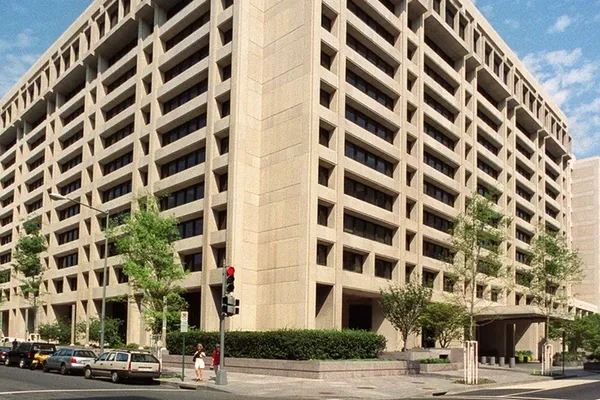
The IMF warns the Iran conflict could leave permanent scars on growth, energy markets and debt sustainability.

Attritable systems reshape defense spending as the Pentagon weighs cheaper mass-produced platforms against costly aircraft.

Cairo residents woke on April 9, 2026, to report that the regional conflict between Israel and Iran has driven Egyptian inflation to its highest level since last May.
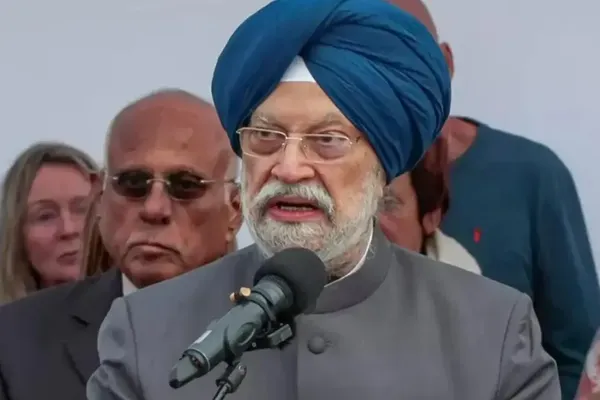
Hardeep Singh Puri arrived in Doha on April 9, 2026, to salvage India's long-term energy security after Iranian strikes crippled a significant part of Qatar's gas infrastructure.

Japan's Cabinet Office announced on April 9, 2026, that consumer confidence across the island nation has fallen at a rate not seen since the initial lockdowns of 2020.
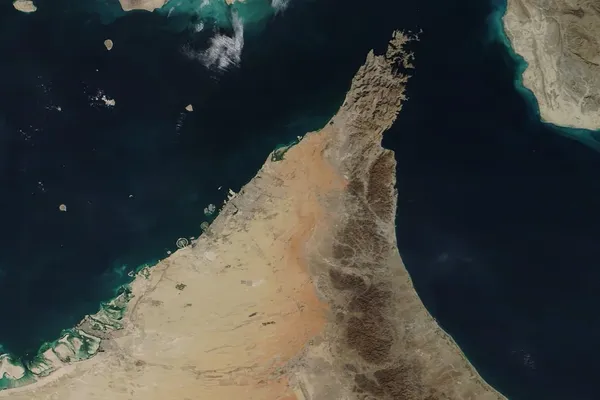
Iran shuttered maritime traffic through the Strait of Hormuz on April 9, 2026, triggering a surge in energy prices that immediately pressured currency values across Southeast Asia.

France's budget minister Laurent Saint-Martin confirms the government will maintain its 5 percent deficit target for 2026.

Rachel Bronson warns that the Iran-Israel ceasefire has not removed energy-market risk as Hormuz shipping and insurance remain uncertain.

High mortgage rates are changing how U.S. homeowners borrow without necessarily making credit cheaper.
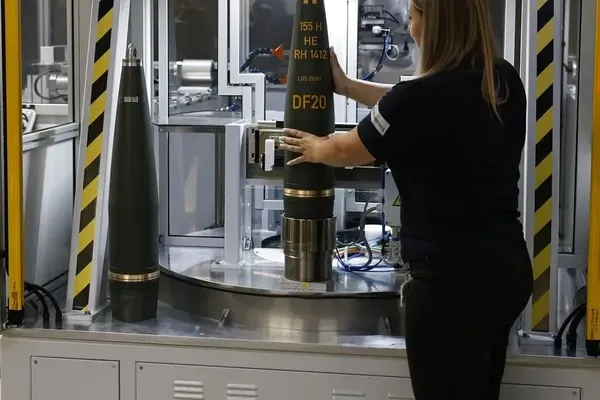
The International Monetary Fund's warning on defense spending is not an argument against security. It is a warning that governments still have to explain how a larger military bill will be paid.
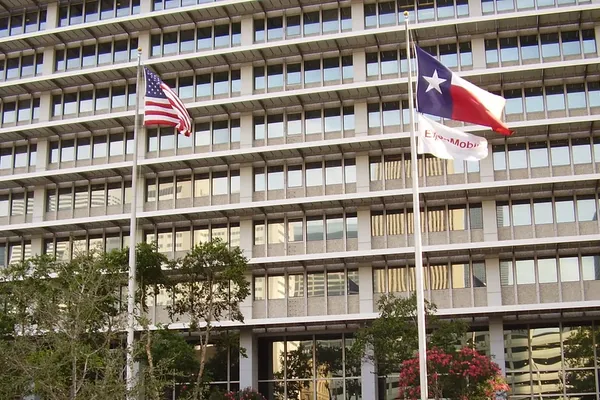
Exxon Mobil warns of a $6.5 billion first-quarter earnings hit from the Iran conflict, largely tied to accounting adjustments and contracts.