
Markets Slash Rate-Hike Bets on News of U.S.-Iran Truce
Markets cut rate-hike expectations after the U.S.-Iran truce reduced immediate energy inflation risk, though the relief remains conditional.
Showing 205-216 of 533 articles
Markets cut rate-hike expectations after the U.S.-Iran truce reduced immediate energy inflation risk, though the relief remains conditional.
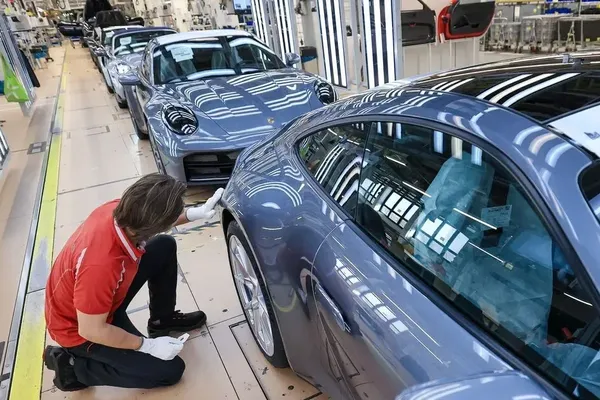
Germany's 0.2 percent gain in February factory orders offers limited relief as energy costs and weaker domestic demand pressure manufacturers.

New Zealand's central bank holds interest rates low as higher fuel costs from the Iran conflict complicate inflation and growth forecasts.

Japan's strongest real wage growth in years gives the Bank of Japan new evidence that pay and prices are moving in the direction it has long wanted. The data suggest households are finally gaining purchasing power after a long period of inflation pressure.

South Korea's record current-account surplus shows the strength of its export machine, especially in semiconductors. It also highlights how far the external sector can pull ahead of households when domestic consumption remains weaker.

The Iran war is feeding U.S. inflation anxiety because households connect the conflict directly to gas prices and job security.
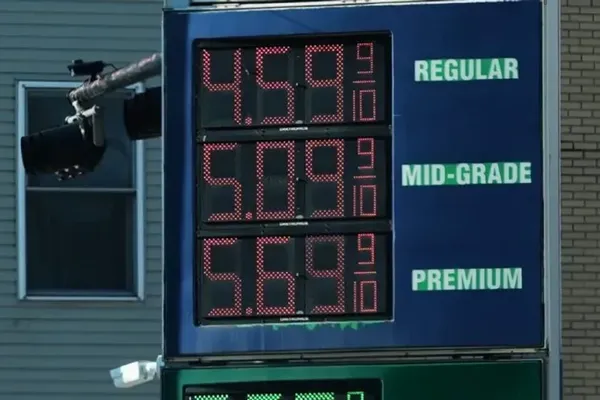
Record diesel prices in six states are turning an energy-market problem into a broader cost-of-living issue. Diesel powers freight, farming and construction, so increases at truck stops eventually move into grocery bills, delivery fees and retail prices.
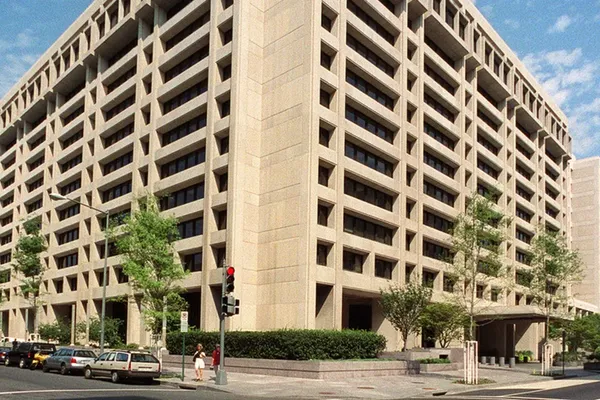
The IMF warns that fast hedge-fund exits can turn emerging-market pressure into a wider financial stability problem through crowded trades.
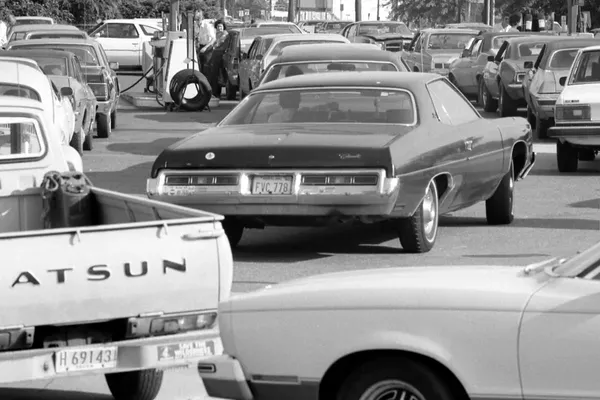
The latest energy shock is drawing comparisons with the 1970s as supply fear, inflation pressure and Gulf shipping risks push crude toward $150 per barrel.
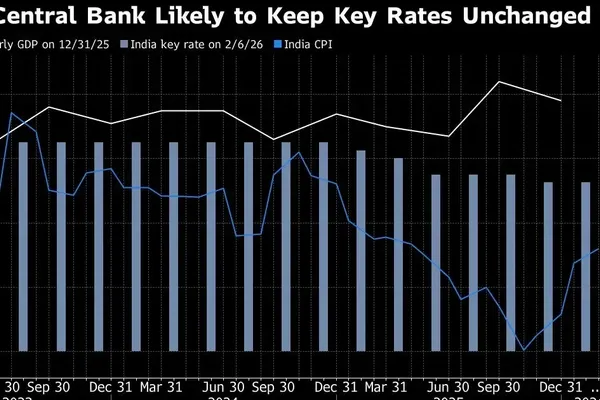
Central banks in India and Romania are being forced to treat the Iran conflict as a monetary-policy event. Oil near $110 per barrel, currency pressure and capital flight have narrowed the space for rate cuts.

Skillshare and TA3 are using spring promo codes to convert shoppers, while REI leans on outlet pricing rather than broad active codes.
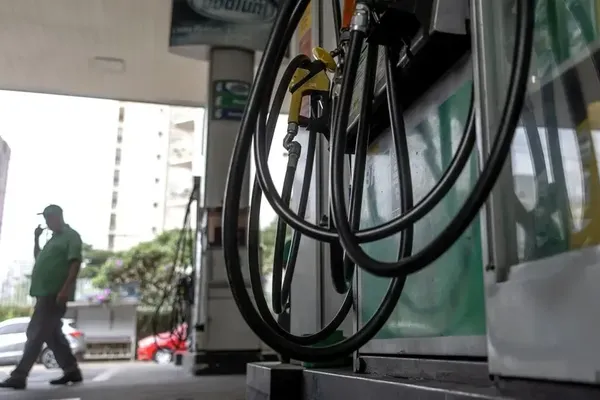
Brazil expanded fuel tax relief while New Zealand held its rate posture as the Iran conflict kept oil and shipping costs volatile.