
Lancet Europe Thanks 1,305 Reviewers for 2025
The Lancet Regional Health – Europe reported a 42% rise in its reviewer pool since 2023, but its acknowledgment does not measure review quality or resolve representation gaps.
Showing 109-120 of 206 articles
The Lancet Regional Health – Europe reported a 42% rise in its reviewer pool since 2023, but its acknowledgment does not measure review quality or resolve representation gaps.
New cancer research is mapping backup pathways and treatment-response sensors that may explain why targeted therapies fail for some patients.
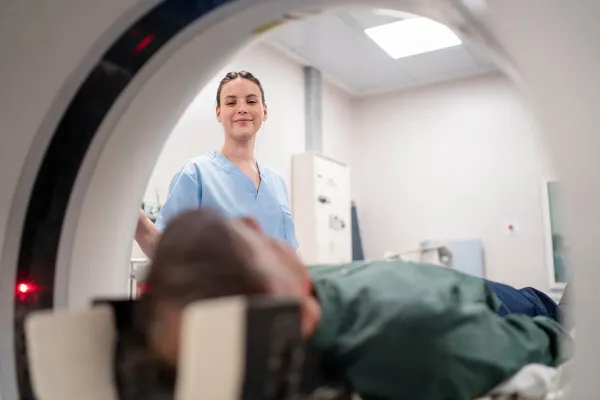
One MRI method estimated heart oxygen use; another improved cine images in arrhythmia. Both were feasibility studies, not tests of earlier diagnosis or survival.

Doctors interviewed by KFF Health News stress movement, food quality, mental health and careful dosing, while a separate routine-eating study offers only correlational evidence.
The White House missed a deadline to name a permanent CDC director, leaving the agency with leadership uncertainty and legal questions.

British Social Attitudes data show NHS satisfaction rose from its 2024 low, while dissatisfaction, waiting-time concerns and weak dental access remained severe.
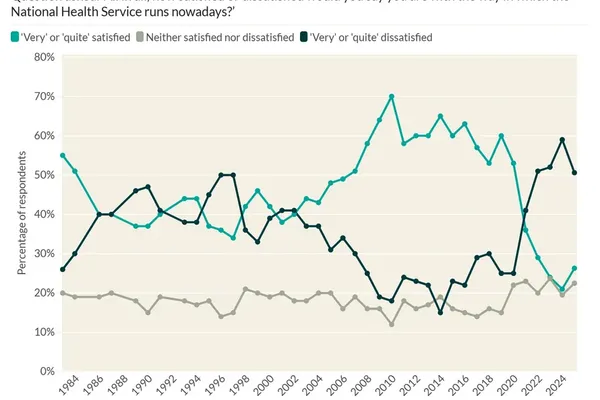
British Social Attitudes data show a significant rise in overall NHS satisfaction, but no statistically significant annual improvement for GP, dental, A&E or hospital services.

A 2015 birth-date cutoff left older children outside routine MenB vaccination. After the Kent outbreak, England opened a limited 2026 offer and JCVI backed wider adolescent coverage.

A Radiology study found that deepfake X-rays can fool both radiologists and AI detection tools, exposing a medical-record risk.

American Heart Association data show many adults and children miss activity targets, while a 49-person diet study offers an early mitochondrial clue, not proof of cause.

UKHSA said no additional cases linked to the Kent outbreak had been detected on March 23, while warning that the outbreak was not yet over.

A London cohort linked more than three hours of daily social-network use at ages 11–12 with higher depression and anxiety symptoms two years later, without proving causation.