Molucca Sea Aftershocks Keep Indonesia's Warning System Under Strain
Indonesia's Molucca Sea quake showed why tsunami alerts are only the first stage of disaster response in an island region built around aftershock risk.
Showing 805-816 of 1173 articles
Indonesia's Molucca Sea quake showed why tsunami alerts are only the first stage of disaster response in an island region built around aftershock risk.
South Korea's March CPI rise to 2.2 percent was an early warning; by June, inflation had climbed to 3.2 percent as oil and food costs tightened the Bank of Korea's choices.
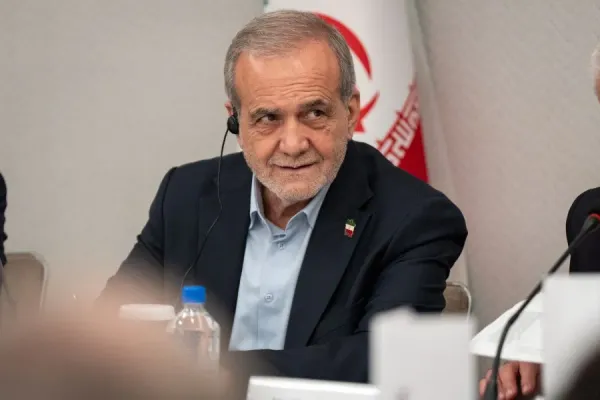
Masoud Pezeshkian's April letter to Americans tried to contest Washington's war narrative before Trump's national address, but later escalation showed the limits of public diplomacy without verifiable moves.
North Korea rejected the UN Human Rights Council's latest DPRK resolution, but the dispute is less about wording than about keeping abuses documented.
The magnitude 7.4 North Maluku earthquake triggered tsunami alerts, small recorded waves, casualties and damage, showing how Indonesia's warning system depends on speed, trust and remote-island logistics.

Trump's April primetime Iran address promised a short war, but the July fight over Hormuz has exposed the gap between war messaging and control.
Trump has repeatedly tried to frame Iran as seeking a ceasefire or talks, but Tehran's denials and renewed Hormuz fighting keep undercutting the message.
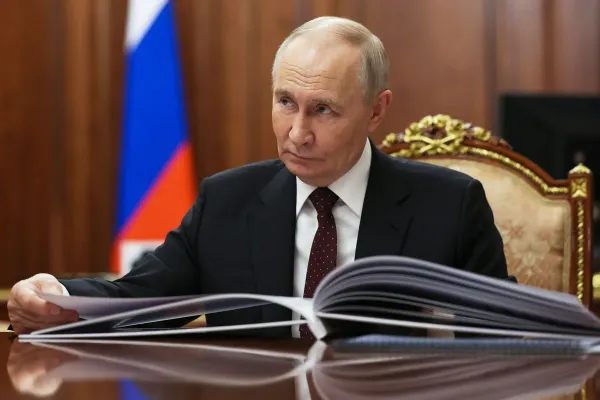
Russia's demand that France release Anna Novikova turned an espionage investigation into a test of French courts, diplomacy and hybrid-war fears.
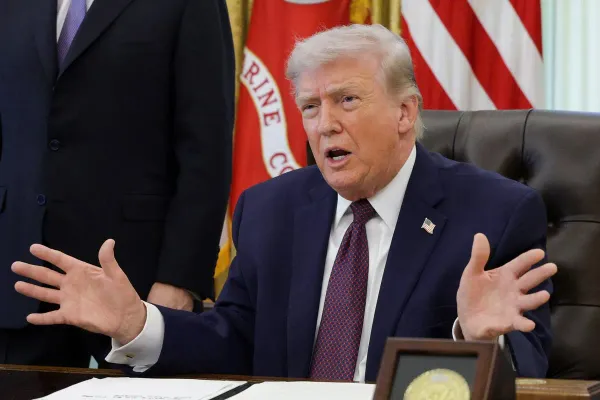
Trump defended the Iran war in April, but renewed July fighting around Hormuz has kept the endgame, allied burden-sharing and strategy unresolved.

Israel's April Beirut strike killed a senior Hezbollah commander and civilians, turning a border war into a capital-city test of escalation control.

Israel's new death penalty law for terrorism cases has drawn legal challenges and international condemnation over discrimination, due process and deterrence.
India's first full census process since 2011 is a governance reset, but caste data, digital collection and future seat allocation make it politically charged.