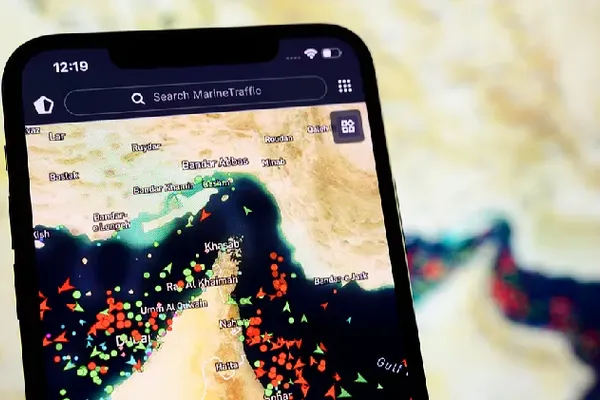
UAE Pressure Over Hormuz Exposes the Cost of US Gulf Guarantees
UAE alarm over Hormuz now tests whether Washington can protect Gulf shipping, deter Iran and avoid turning maritime security into a wider regional war.
Showing 817-828 of 1173 articles
UAE alarm over Hormuz now tests whether Washington can protect Gulf shipping, deter Iran and avoid turning maritime security into a wider regional war.
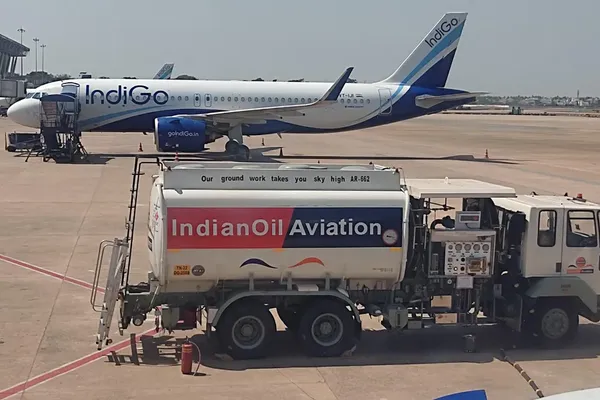
The Iran-war fuel shock has eased from its peak, but airlines are still using demand, route cuts and cost pressure to defend higher fares.
The deaths of Indonesian UNIFIL peacekeepers in southern Lebanon show how a monitoring mission loses authority when patrols and bases become targets.
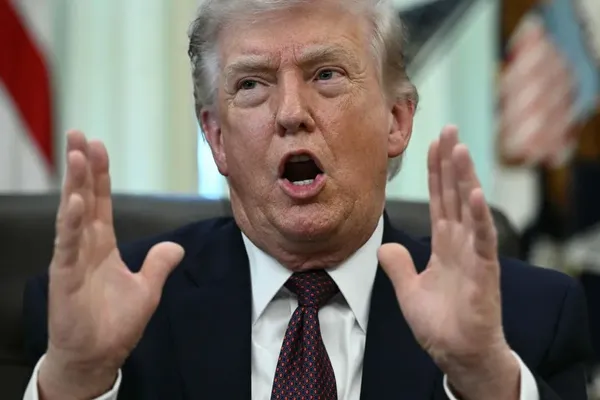
Trump's early Iran ceasefire push has given way to renewed Hormuz strikes, oil anxiety and allied demands for rules instead of shifting threats.
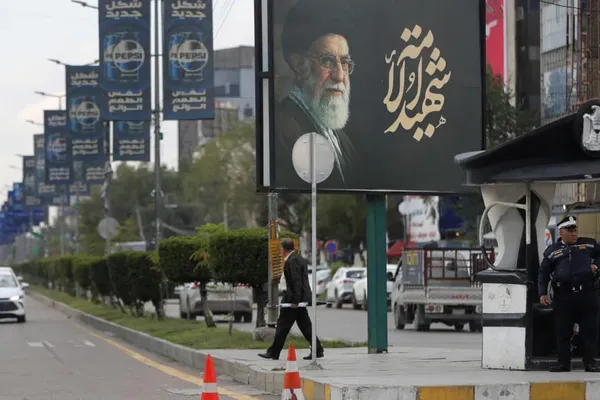
Shelly Kittleson's release ended one kidnapping crisis, but it exposed Iraq's militia leverage, freelancer risk and shrinking space for security reporting.

Ukraine's Bucha commemorations sharpen the truce debate by tying ceasefire diplomacy to memory, verification, civilian harm and accountability.
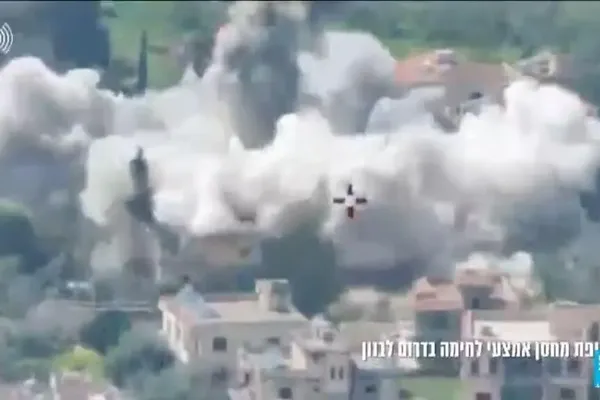
Israel Katz's southern Lebanon zone plan risks turning wartime displacement into a longer political fact as ceasefire talks test return rights and sovereignty.
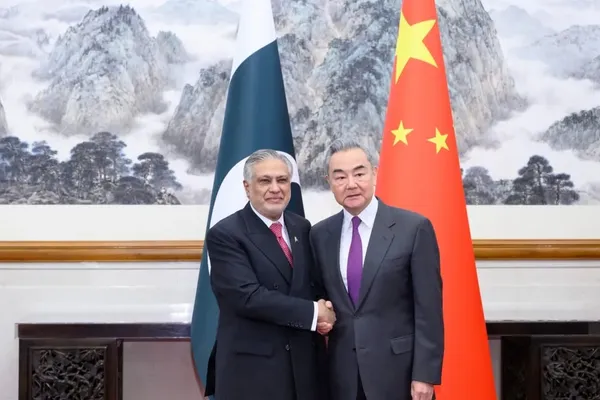
China and Pakistan's five-point Gulf peace plan gave Beijing diplomatic space, but renewed Hormuz fighting showed the limits of influence without enforcement.
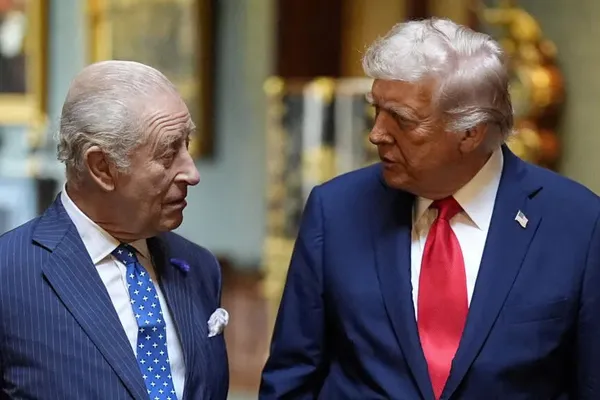
King Charles's U.S. state visit went ahead during Iran-war tensions, turning royal ceremony into a test of Britain's strained influence in Washington.

Israel's freeze on French defense procurement is less about contract volume than wartime trust, airspace politics, arms fairs and supply-chain control.
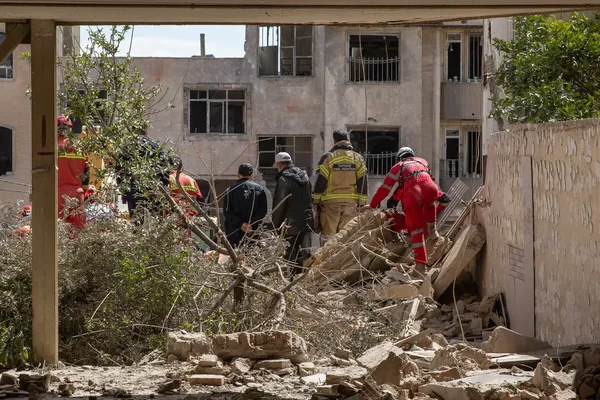
Pete Hegseth's warning that Iran still retained missiles and drones now frames the July escalation, Hormuz risk and U.S. stockpile strain.

Russia's internet crackdown now runs through VPN pressure, Telegram throttling, whitelist access and daily service failures, not just website bans.