The Iran war is reaching American households through fuel, groceries and shipping fees.
A successful rescue mission abroad now sits beside a visible price shock at home.
Donald Trump confirmed on April 6, 2026, that a US weapons officer survived a 24-hour evasion in the Iranian mountains. Recovery teams extracted the serviceman from a remote crevice in Southwest Iran. Iranian search parties had scoured the jagged terrain for the airman. Local authorities had even placed a $60,000 bounty on his head. Intelligence reports suggest the weapons officer suffered serious injuries during the initial crash of his F-15 fighter jet on Friday. Combat search and rescue units located the pilot within hours of the downing, but his partner remained hidden as enemy forces moved within meters of his position.
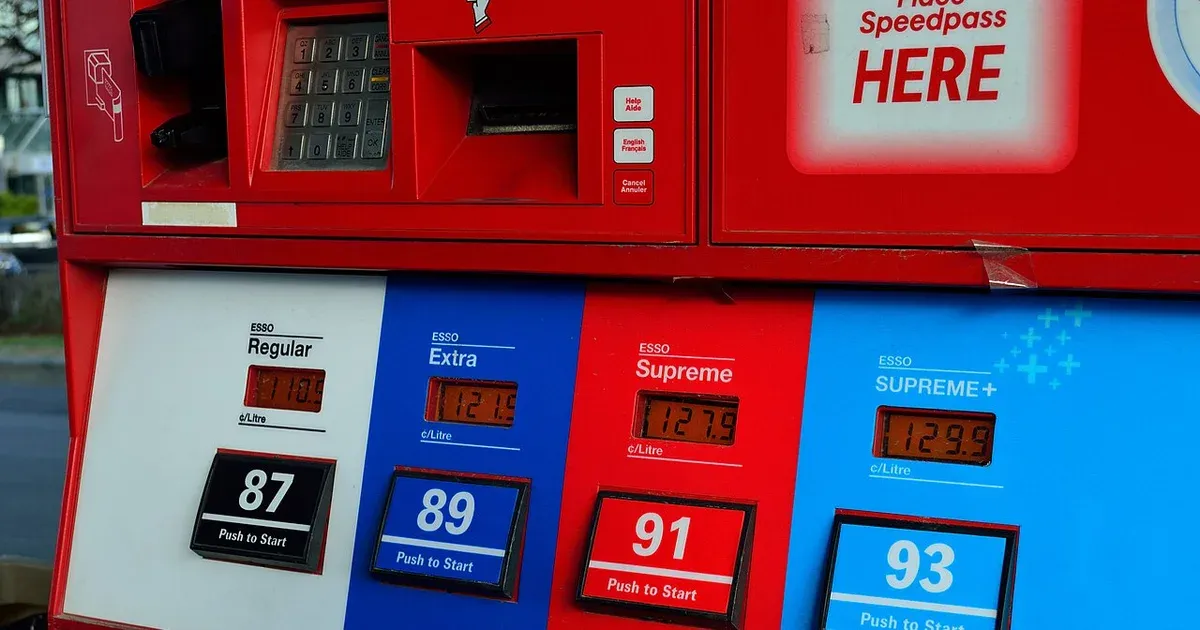
Gasoline stations across the United States updated their displays this morning to reflect a national average of $4.12 per gallon. Crude oil volatility has directly translated to higher costs for American commuters. Sam Brock reports for TODAY that the price spike has broad implications for the domestic economy. Many suburban families now face monthly fuel bills that exceed their grocery budgets. Refineries cite supply-chain disruptions near the Persian Gulf as the primary driver of this increase. Energy analysts predict these prices could hold or climb further if the conflict expands into neighboring shipping lanes.
Logistics networks are straining under the pressure of rising diesel fuel costs. Grocery stores have already begun passing these expenses to consumers. Refrigerated goods like milk, eggs, and fresh produce are seeing the steepest price hikes. Transporting these items requires constant temperature control, which consumes large amounts of high-priced diesel. Families in rural areas feel the impact most sharply. Supply chains that rely on long-haul trucking are experiencing the highest level of financial stress in a decade.
American Logistics and Fuel Inflation
Amazon implemented a temporary 3.5% surcharge for third-party sellers on April 6, 2026. Retailers on the platform must now pay more to ship products to fulfillment centers. Small business owners expressed concern that this fee will erode their already thin profit margins. Amazon leadership stated the surcharge is necessary to offset the rising cost of its huge delivery fleet. Shipping times for non-essential items have also increased in several regions. Fuel surcharges are becoming a standard feature across the entire logistics industry.
Airfare costs have followed the same upward trajectory as ground transportation. Major carriers are raising ticket prices for domestic and international flights. Jet fuel prices reached a five-year high this morning. Travel agencies report a sudden drop in vacation bookings for the summer season. Business travelers are also scaling back on non-essential trips to manage corporate budgets. Most airlines have discontinued their low-cost promotional fares for the foreseeable future. A round-trip flight from New York to London now costs 30% more than it did before the F-15 was downed.
Military Extraction and Regional Hostility
Military planners described the rescue operation in Southwest Iran as a high-stakes race against time. Iranian forces used drones and ground patrols to search the mountain range where the F-15 Strike Eagle went down. Colonel Steve Warren analyzed the mission, noting the difficulty of extracting an injured soldier from such hostile territory. The weapons officer used specialized survival gear to avoid thermal detection during the night. Iranian officials offered the $60,000 reward to local villagers for any information leading to his capture. Search teams were reportedly closing in on his location when the extraction helicopter arrived. The recent downing of a US F-15 fighter jet remains a flashpoint for the escalating regional conflict.
Donald Trump praised the bravery of the airmen during a press briefing earlier today. The pilot of the downed aircraft is currently in stable condition at a regional military hospital. Medical staff are evaluating the weapons officer for internal injuries and fractures. The extraction was a successful outcome for the Air Force search and rescue community. Iranian state media had claimed the airmen were already in custody. Video footage released by the Pentagon confirmed the extraction took place under heavy fire.
Conflict in the region has had a broader effect on the global energy market. Oil tankers are now taking longer routes to avoid potential missile strikes. Insurance premiums for cargo ships in the Middle East have tripled in the last forty-eight hours. These costs are eventually reflected in the price of imported electronics and textiles. Global trade organizations warn that a prolonged war could trigger a wider recession. Economic data from the first quarter show a meaningful slowdown in consumer spending.
Retail Surcharges and Household Debt
Household debt is rising as Americans turn to credit cards to cover basic necessities. The $4.12 average for gas is a psychological and financial barrier for many workers. Commuters in the Midwest and South, where public transit is limited, are particularly vulnerable. Grocery bills for a family of four have increased by an average of $80 per month. Some retailers are limiting the purchase of certain items to prevent hoarding. Food banks report a 20% increase in demand since the start of the month.
Amazon sellers are weighing their options as the 3.5% surcharge takes effect. Some vendors have already increased their list prices to compensate for the fee. Others are looking for alternative shipping providers to avoid the Amazon logistics network. Third-party sales account for a majority of the items sold on the platform. Any disruption to this ecosystem has a serious impact on the broader retail sector. Small businesses are the most likely to fail if fuel prices do not stabilize soon. Diesel prices remain the hidden engine of the current inflationary cycle. Heavy machinery used in agriculture and construction relies almost exclusively on this fuel type. Farmers in the Central Valley are reporting higher costs for irrigation and harvesting. These expenses will likely result in higher food prices well into the fall. Construction projects are also seeing delays as contractors renegotiate bids based on new fuel data. The cost of building a new home has increased by $12,000 this month alone.
Geopolitical tensions show no signs of easing as both sides increase their military presence. Donald Trump has authorized additional deployments to support ongoing operations. Iranian leaders have vowed to retaliate for the rescue mission. The F-15 loss remains a point of contention among defense analysts. Technical failures or enemy fire could have caused the crash. Investigations into the wreckage are impossible while the crash site remains in enemy territory.
Domestic Cost of War
National security has a price tag that usually stays hidden in Pentagon ledgers until it appears on a gas station marquee. The current administration appears willing to trade $4.12 gasoline for tactical victories in the Zagros Mountains, but the American public has a notoriously short fuse for economic pain. While the rescue of a downed airman is a moral imperative, the resulting financial fallout is a strategic vulnerability. Amazon and other corporate giants are not just absorbing these costs; they are weaponizing them against small sellers and consumers. This 3.5% surcharge is a sign of a permanent shift in how logistics are priced in a wartime economy.
Can the US sustain a high-intensity air campaign while the domestic supply chain for basic goods like milk and eggs collapses under diesel inflation? The $60,000 bounty on a single American life is a drop in the bucket compared to the billions lost in consumer purchasing power this week. Military success in Southwest Iran is meaningless if the home front is fractured by the rising cost of living. Skepticism toward foreign intervention grows in direct proportion to the price of a gallon of gas. Washington must decide if the F-15 mission is worth the risk of a domestic recession. The era of cheap energy is dead.