American bombers targeted Iranian naval facilities on Qeshm Island and Goruk during a series of early morning sorties. Defense officials said the operation focused on disabling fast-attack craft and drone launch sites that have harassed regional shipping. The June 1, 2026, strikes marked a major expansion of direct kinetic involvement by Washington in the Persian Gulf.
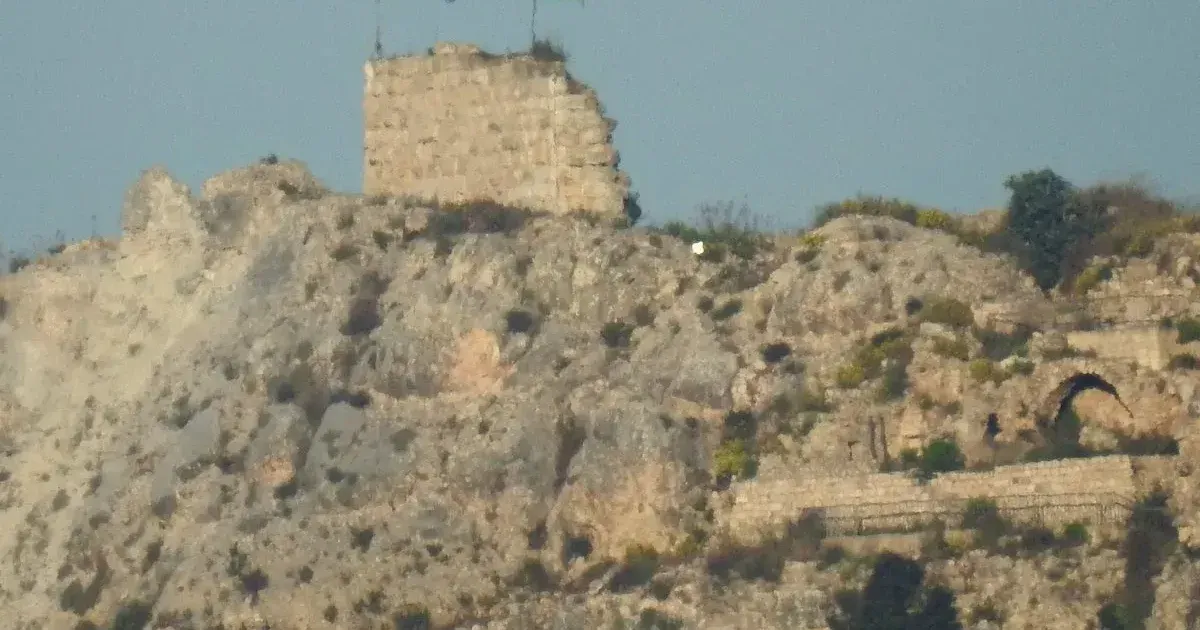
Israeli armor and infantry units pushed deeper into Lebanese territory concurrently, reaching distances not seen in a quarter-century. Soldiers captured a 900-year-old castle, securing a high-altitude observation post overlooking the Litani River basin. Military analysts noted that this position allows the Israel Defense Forces to monitor Hezbollah troop movements with greater precision across the southern valley.
Reports from Kuwait indicate a surge in missile and drone activity across the northern Gulf. Local authorities described multiple interceptions of incoming projectiles targeting infrastructure. While no casualties were immediately reported, the frequency of the salvos prompted a nationwide security alert and the suspension of several commercial flights.
Senior Iranian officials characterized the current American military posture as a betrayal of ongoing diplomatic efforts by Donald Trump.
Tehran maintains that back-channel talks were productive until the latest round of US airstrikes. A senior official in the Iranian foreign ministry accused Donald Trump of abandoning diplomacy for the third time in his tenure. Iranian state media broadcast images of the damage at Qeshm, claiming the facilities were primarily used for civilian maritime monitoring rather than military operations.
Brent crude futures jumped 2.1 percent within hours of the initial reports from the Lebanon border. Energy traders expressed concerns that the widening conflict will jeopardize a fragile US-Iran ceasefire extension. Markets are reacting to the increased risk premium as the geographical scope of the fighting expands toward critical energy transit points.
Minefields in the Strait of Hormuz now complicate efforts to restore normal shipping traffic. Satellite imagery and naval patrols identified dozens of drifting contact mines near the main tanker lanes. Shipping companies have ordered vessels to remain in holding patterns outside the Gulf until mine-clearing operations can verify a safe passage corridor.
France requested an emergency session of the UN Security Council to address the invasion of Lebanon. Diplomats in Paris argued that the deepening incursion threatens to destabilize the entire Levant and could trigger a wider regional fire. The proposed resolution calls for an immediate cessation of hostilities and a return to established border lines under international monitoring.
Washington has not yet issued a formal response to the French proposal at the United Nations. Pentagon spokespeople emphasized that the strikes on Qeshm and Goruk were proportional responses to recent provocations against American interests. Military planners are currently assessing the effectiveness of the precision munitions used in the strikes.
Ground operations in Lebanon continue to encounter resistance near the captured fortifications. Hezbollah units launched anti-tank missiles from concealed positions in the surrounding hills. Israeli commandos are using the elevated vantage point of the historic castle to direct artillery fire against these Hezbollah positions.
Intelligence assessments suggest that the conflict has entered a phase of high-intensity attrition. Neither side has indicated a willingness to withdraw to previous positions. Instead, both are reinforcing front-line units with additional logistical support and heavy weaponry.
US Airstrikes Paralyze Iranian Logistics at Qeshm and Goruk
Precision-guided munitions struck primary storage depots and command centers located along the Iranian coastline. These facilities were the central hub for maritime operations in the eastern Gulf. The destruction of these assets severely limits the ability of the Iranian navy to project power near the mouth of the Strait of Hormuz. Aerial reconnaissance confirmed the neutralization of at least four major radar installations during the first wave of attacks, leaving remaining coastal batteries vulnerable to subsequent strikes. Logistics chains between the mainland and the island chains have been severed by the intensity of the bombardment.
Israel Secures Strategic High Ground in Southern Lebanon
Seizing the Crusader-era castle provides the Israeli military with a dominant tactical advantage. The stone walls, though centuries old, offer substantial protection against small-arms fire and fragmentation. Engineers are currently installing advanced sensory equipment and long-range optics on the highest towers to maintain a constant watch over the Litani River.
Tactical maps show the incursion has bypassed several coastal villages to focus on these high-altitude objectives. This maneuver isolates specialized Hezbollah units from their supply lines in the interior. The depth of the penetration, approximately 15 miles from the border, represents the largest territorial shift in the region since 2000.
Maritime Blockades and Energy Market Volatility
Insurance premiums for oil tankers have quadrupled since the discovery of mines in the Strait of Hormuz. Lloyd's of London and other major underwriters have designated the entire Gulf as a high-risk zone. Some carriers are considering rerouting supplies around the Cape of Good Hope to avoid the escalating danger.
Global energy supplies are already feeling the impact of the transit delays. Port authorities in Houston and Singapore reported a decrease in scheduled arrivals of VLCC-class tankers. If the mines are not cleared within the next 48 hours, energy analysts predict a sharp spike in retail fuel prices across Western Europe and the United States.
Airstrikes and Mines Push Diplomacy Toward Collapse
Tactical shifts in the Persian Gulf suggest a breakdown in the back-channel communication that previously prevented direct US-Iran engagement. While both sides claim a preference for stability, the bombing of Qeshm indicates Washington is no longer willing to tolerate asymmetric naval threats. The posture forces Tehran into a difficult choice between military retaliation and total diplomatic collapse. The capture of the castle in Lebanon serves a dual purpose for Israel, providing both a physical vantage point and a psychological blow to Hezbollah command structures. Regional stability remains distant as maritime traffic halts in the Strait of Hormuz. If mines continue to drift into international shipping lanes, the economic pressure on Western capitals may require a larger naval escort operation. Such a deployment would likely be viewed by Iran as an act of war, effectively ending the prospect of a negotiated settlement. Lloyd's of London has already raised insurance premiums for all tankers transiting the region.