
Iran War Forces Global Business to Abandon Efficiency
The 2026 Iran conflict forces global corporations to abandon efficiency for security as oil prices spike and shipping lanes through the Gulf are severed.
Showing 457-468 of 533 articles
The 2026 Iran conflict forces global corporations to abandon efficiency for security as oil prices spike and shipping lanes through the Gulf are severed.

Rising gold and silver prices in 2026 force luxury jewelry brands to pivot to wood, steel, and titanium as precious metal costs hit record highs.
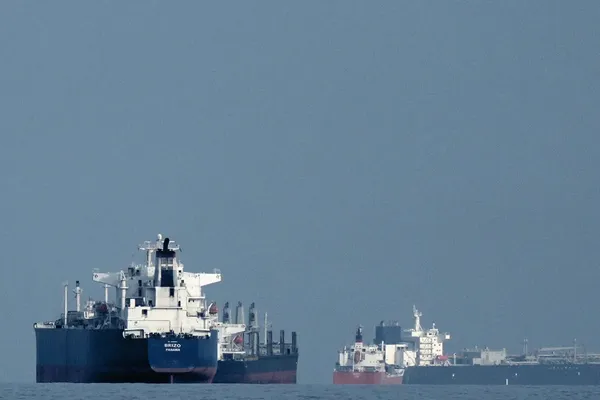
Iran’s military conflict triggers a major spike in US mortgage rates and global oil prices, threatening a fragile international economic order in 2026.
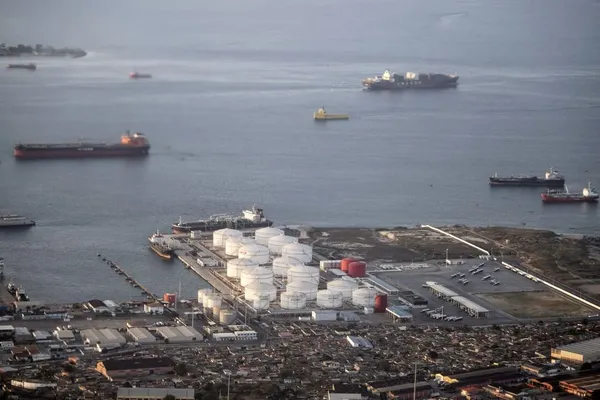
Angola's central bank maintains interest rates at 17.5 percent as surging oil prices from the Iran conflict provide a temporary fiscal cushion for Luanda.

Federal Reserve Governor Michelle Bowman confirms new bank capital rules will arrive next week. Wall Street braces for the revised Basel III framework.

Gas prices are eroding gig-worker profits as delivery drivers and ride-hailing workers absorb fuel costs faster than platforms adjust pay.

Baseball's role in modern America goes beyond sport, reflecting city growth, labor markets, media economics and national identity.

US jobless claims held near 213,000 while apartment construction rose, complicating recession fears and Federal Reserve rate-cut expectations.

Saudi Arabia's effort to bypass Hormuz highlights how energy infrastructure becomes strategic insurance during Gulf crises.
Iranian attacks on Gulf shipping pushed crude above $100, raising inflation, insurance and central bank risks.
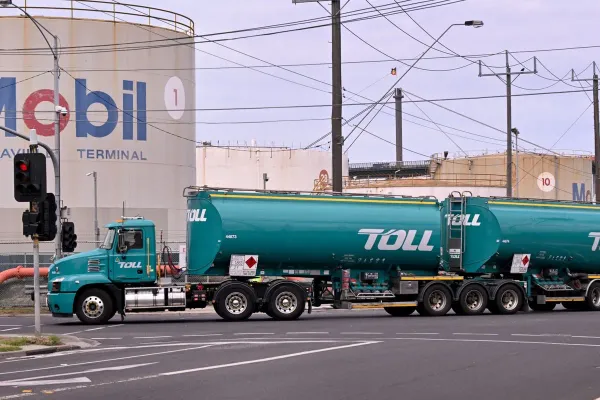
Global markets shuddered as war risk repriced inflation, oil, currencies and safe-haven demand across major exchanges.

South Korea passed a $350 billion US investment bill, tying industrial policy, alliance strategy and supply-chain security together.