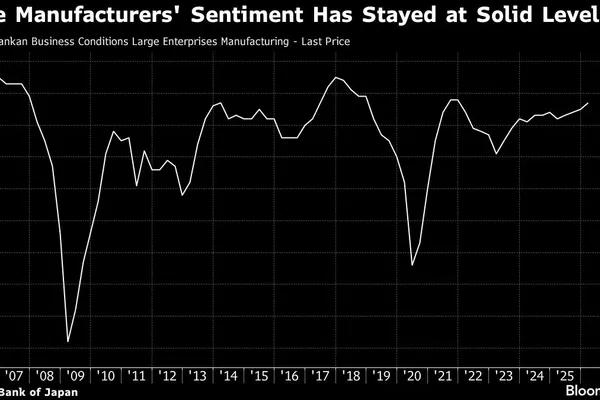
Japan Tankan Strength Gives the BOJ Cover, Not Comfort
Japan's latest Tankan showed manufacturer sentiment rising again, but a weak yen, energy costs and a 1% BOJ rate make the signal harder to read.
Showing 277-288 of 533 articles
Japan's latest Tankan showed manufacturer sentiment rising again, but a weak yen, energy costs and a 1% BOJ rate make the signal harder to read.
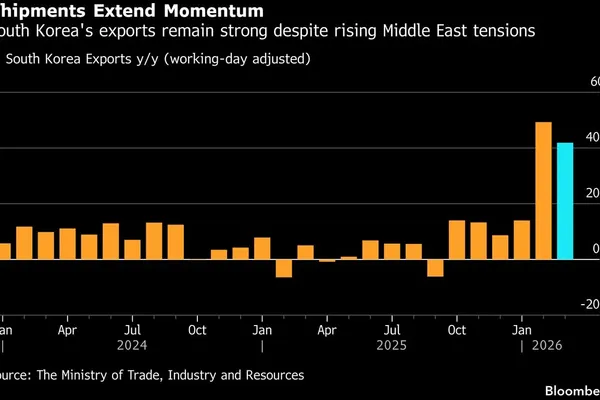
South Korea's AI-chip export boom has lifted trade data, but oil, Hormuz, helium and market volatility show how narrow the protection is.

USDA's Manila trade mission targeted Philippine demand for U.S. food exports, but import security and local farm resilience are not the same thing.

Colombia's rate fight after German Avila's walkout became a test of whether BanRep could defend inflation credibility without turning every meeting into politics.

Jeff Schmid's warning on energy inflation still matters because a softer June CPI print did not erase oil risk, sticky core prices or Fed caution on rate cuts.

German Avila's central-bank walkout after Colombia's rate hike turned monetary policy into a public fight over inflation, politics and independence.
Gas prices near $4 complicate the Fed's rate-cut path, but core inflation, demand weakness and expectations still matter more than the pump alone.

Gas prices near $4 matter because fuel costs hit families repeatedly through commuting, school runs, deliveries, groceries and inflation expectations.
Trump's Hormuz pressure moved from market talk to blockade, toll threats and oil volatility, leaving investors to price shipping security as war risk.

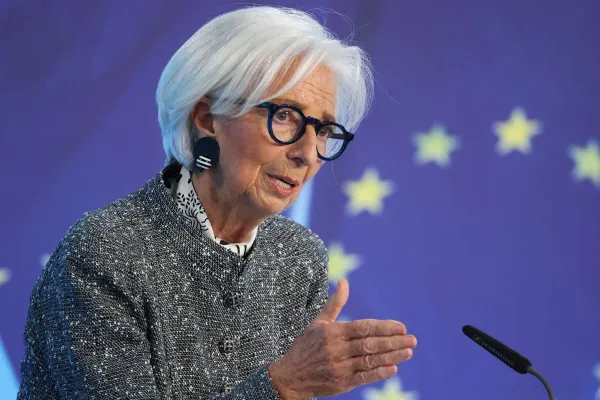
Madis Muller's April warning aged into the ECB's June rate hike as Iran-war energy prices forced inflation risk back into policy.

Goldman Sachs says China is better insulated than the U.S. from the Iran oil shock because reserves, energy mix and policy tools buy time.

Iran war pressure put Europe's inflation relief on hold as energy, gas, freight and food costs complicated central-bank timing.