Iran War UAE Selloff Tests Gulf Safe-Haven Pitch
The Iran war reportedly erased about $120 billion from Dubai and Abu Dhabi market value, testing the UAE's pitch as a safe Gulf capital hub.
Showing 289-300 of 533 articles
The Iran war reportedly erased about $120 billion from Dubai and Abu Dhabi market value, testing the UAE's pitch as a safe Gulf capital hub.

U.S. gasoline climbed above $4 during the March Iran war shock and now risks returning there as Hormuz tensions revive fuel inflation.
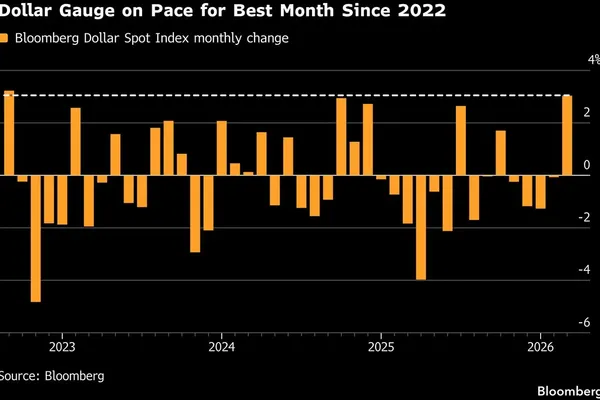
Iran war risk pushed investors into the dollar during the March shock, showing how oil, inflation fears and funding stress can make a haven rally costly.
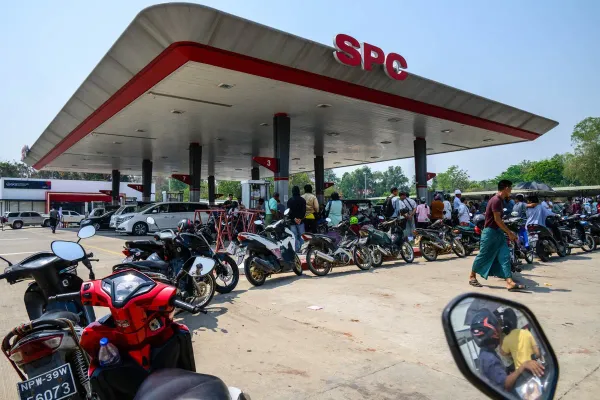
Iran war disruption pushed Asian importers toward Russian crude as Hormuz risk tightened replacement barrels, refinery planning and energy-security options.
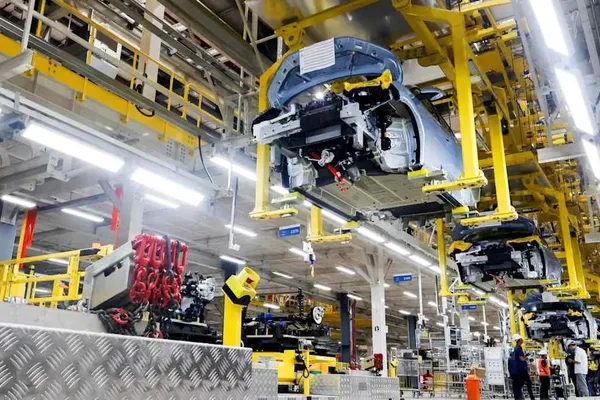
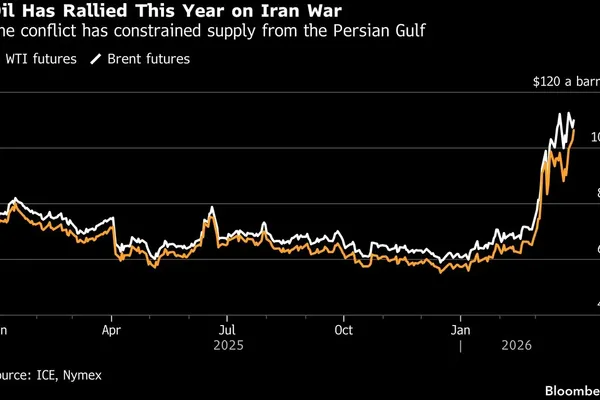
Renewed U.S.-Iran fighting lifted oil and fuel-price anxiety again, but crude remains below earlier wartime peaks even as inflation risk returns.
Jamieson Greer's WTO criticism after the e-commerce moratorium failure signals a U.S. push toward narrower digital trade coalitions.

Malaysia's 4% to 5% growth outlook relies on domestic demand, electronics exports and investment delivery while energy and war risks remain.
PetroChina, Sinopec and CNOOC are moderating spending as China's oil security push collides with weaker margins, demand uncertainty and transition risk.
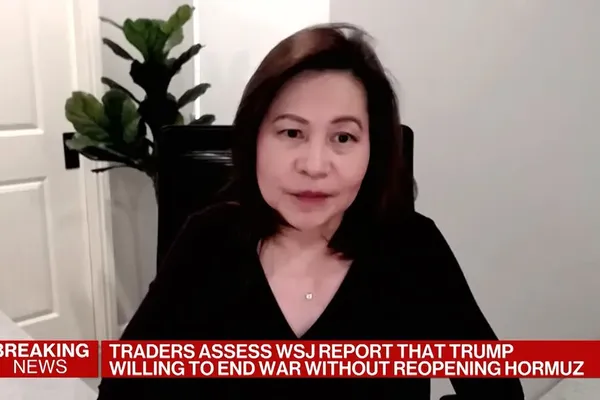
A $12 trillion market wipeout forced investors to rethink diversification, liquidity and exposure to energy, shipping and geopolitical shocks.
Samsung Electronics' 14.5 trillion won treasury-share cancellation is a real governance signal, but investors still need operating proof.
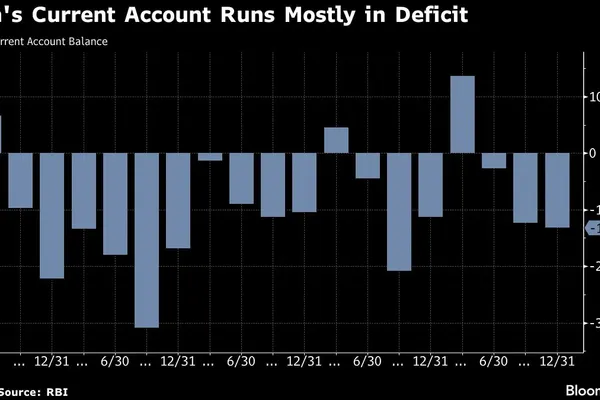
Higher crude prices and Hormuz risk are pressing the Indian rupee because India's oil import bill, inflation path and RBI choices move together.
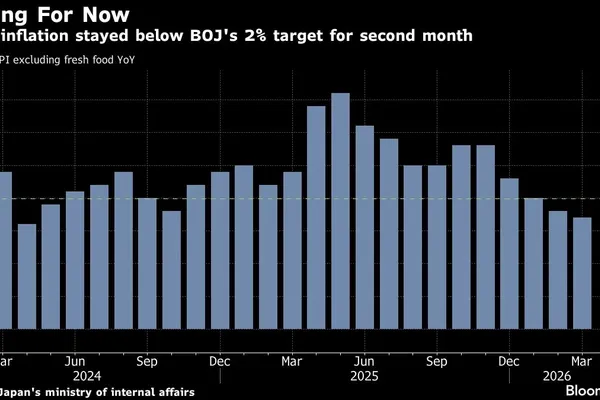
Softer Japan inflation gave the Bank of Japan breathing room, but Middle East oil risk, subsidies and yen weakness kept policy pressure alive.