
CERN Antimatter Road Test Moves 92 Antiprotons Without Loss
CERN's BASE collaboration transported 92 antiprotons around the Meyrin site in the first controlled road test of a portable antimatter trap.
Showing 73-84 of 177 articles
CERN's BASE collaboration transported 92 antiprotons around the Meyrin site in the first controlled road test of a portable antimatter trap.
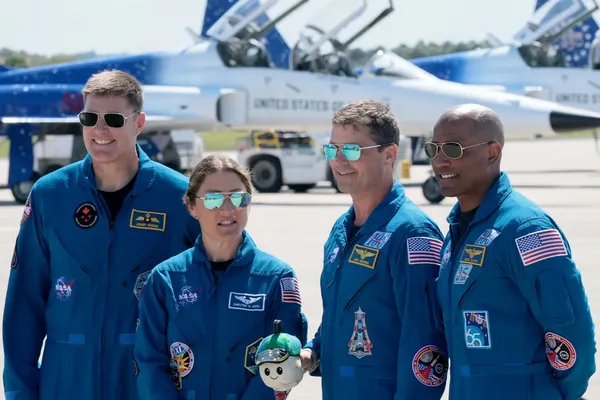
Artemis II crew quarantine protected NASA's April 1 launch window before the mission completed a record-setting human lunar flyby.
JWST observations of Pelias and Neleus point to overmassive black hole candidates in dwarf galaxies, testing local scaling rules without overturning cosmology.

TU Wien and Cerabyte's 1.98-square-micrometer QR code shows how ceramic media and holographic storage could reshape long-term data archives.
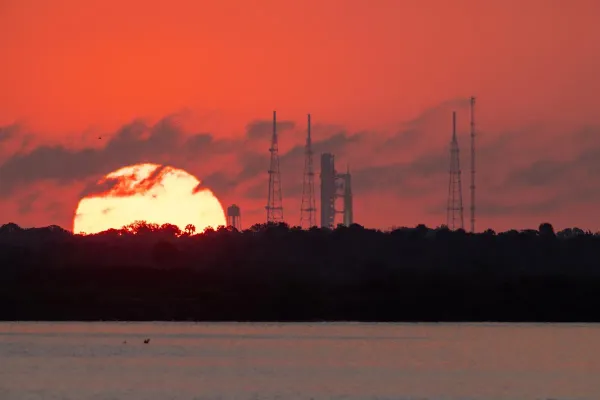
Artemis II launched April 1 and splashed down April 10, turning NASA's crewed lunar flyby into a test of Orion, SLS and recovery.
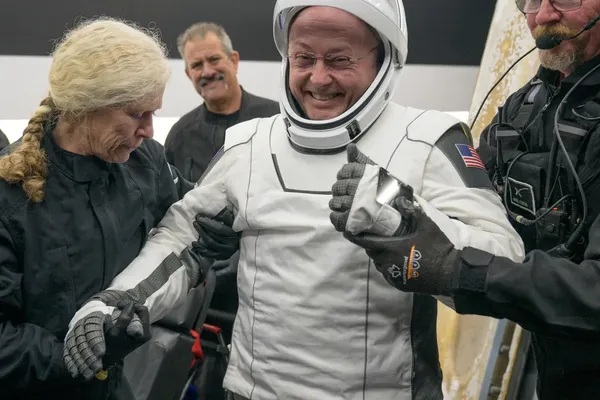
Mike Fincke's unexplained 20-minute loss of speech aboard the ISS shows why emergency medicine becomes harder when evacuation is part of the mission.

Henry C. Lee, the famed forensic scientist tied to the O.J. Simpson trial and later evidence-fabrication ruling, died at 87.

Buglife and Kent Wildlife Trust are asking drivers to record insect splats in Bugs Matter 2026 to track flying-insect decline.

New studies on parasite-linked appetite loss and SLIT3-driven brown fat thermogenesis show how metabolism depends on signaling networks.

Cannabis appetite research points to CB1 receptors, hypothalamic neurons and smell pathways, but many findings still require careful human evidence.

Cambridge will use John Stevens Henslow's botanical archive to connect modern students with the observational training that shaped Darwin.

A fossil ape from northern Egypt pushes early hominoid research beyond the usual East African map and toward a wider Miocene landscape.