
Scientists Replace Living Cells with Enzymes for Biofuels
Cell-free enzyme systems could make biofuel and chemical production more predictable by removing some limits of living-cell fermentation.
Showing 85-96 of 177 articles
Cell-free enzyme systems could make biofuel and chemical production more predictable by removing some limits of living-cell fermentation.
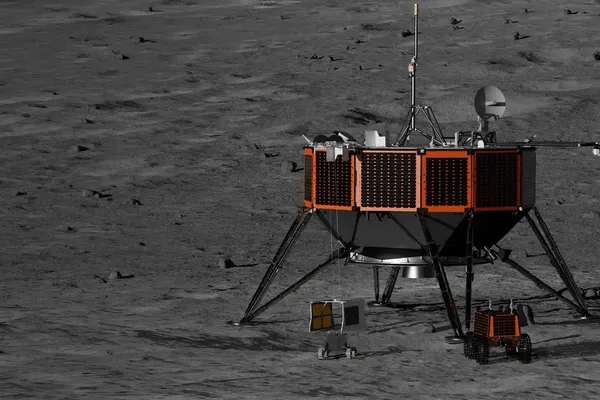
NASA's new Intuitive Machines lunar lander award highlights Artemis momentum while Mike Fincke's ISS medical episode keeps astronaut health risk in focus.
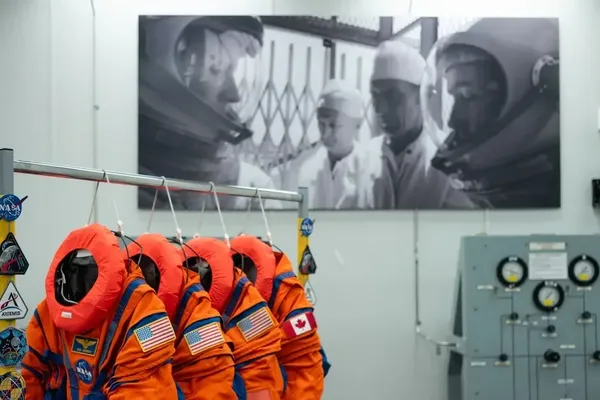
Reid Wiseman and the Artemis II crew arrived at Kennedy Space Center to begin final preparations for NASA's first crewed lunar flyby in decades.
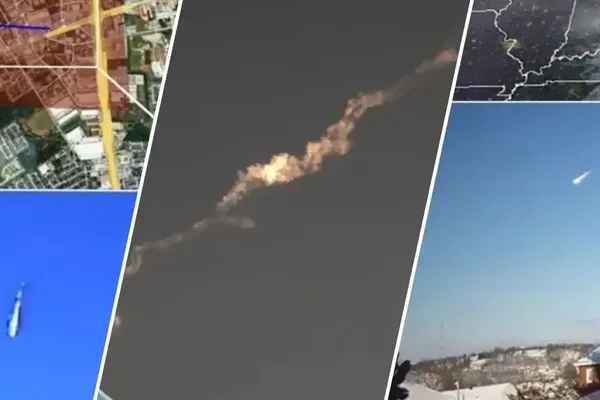
Astronomers are tracking more fireball reports as cameras, citizen science and April meteor activity sharpen skywatching data.

A telomerase structure map in yeast gives researchers new clues for cancer drug design, aging biology and selective targeting.
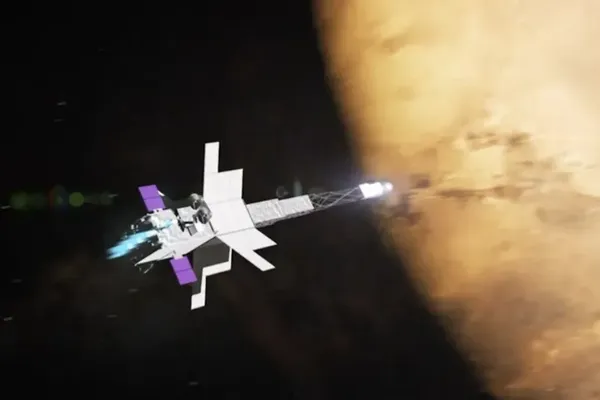
NASA's nuclear propulsion work is tied to faster Mars travel, lunar base power, and unresolved health risks for astronauts on long missions.

A Dorset beaver colony established a stable territory after a difficult first year, giving conservationists new evidence for managed rewilding.

NASA and DARPA nuclear thermal propulsion work is moving toward a DRACO flight test that could shorten deep-space travel times.

New antiparasitic drug work from fungi highlights how natural compounds may help researchers address neglected infections.
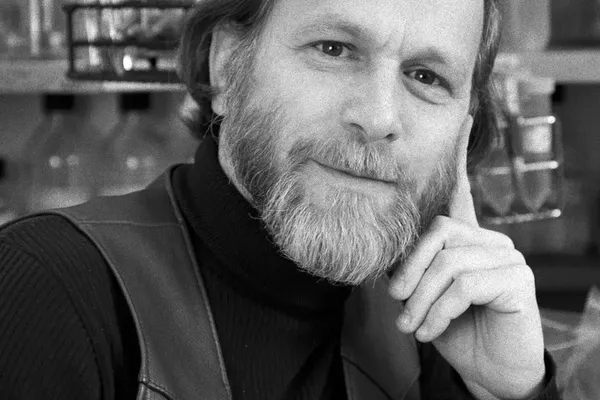
J. Michael Bishop, the Nobel-winning scientist who helped reveal cancer's genetic roots and later led UCSF, died at age 90.

NASA and DARPA nuclear propulsion work is reviving hopes for faster deep-space missions, but safety and testing remain major hurdles.

Arctic winter sea ice tied its lowest recorded maximum, reinforcing scientific concern about thinner ice and a faster-changing polar climate.